This season, a club built on the spirit of its supporters will compete in Liga Super, with Kela...


While the world’s cameras were pointed at MetLife Stadium for the FIFA World Cup 2026, New York’s city hall was quietly running a smaller, scrappier programme that I think matters more in the long run. It’s called NYC Open Play. The concept is almost embarrassingly simple. From June 11 through the night of July 18, one field in each of the city’s five boroughs; Manhattan, Brooklyn, Queens, the Bronx, and Staten Island as they stayed open all night for free, staffed, 7-a-side pickup football. Show up with your crew, or show up alone as a free agent. Sign a waiver, get on the pitch, play. No tickets, no trials, no politics. Just lights on, goals up, and a game.
It was a joint effort between the Mayor’s Office, the parks department, Hudson River Park Trust, New York City FC, and a grassroots outfit called NYC Footy, with commercial partners like StubHub and US Mobile keeping it free for everyone. It sat alongside other things the city did through the tournament window: extending floodlighting hours at more than fifty fields, opening a free mini-pitch in Central Park with clinics and community tournaments, even shutting down streets outside fifty schools so kids could play World Cup-themed field days without a single car in sight. The city’s own framing was simple, and I think exactly right — the World Cup shouldn’t only belong to whoever could afford a seat inside MetLife. It should belong to whoever wanted to play.
That’s the part that gets me every time. When a city wins the right to host something big. Be it an Asian Cup, an ASEAN Championship, even a single glamorous cup final weekend — the entire civic imagination tends to pour into the stadium, the opening ceremony, the broadcast deal. The tournament becomes a spectacle you watch on a screen or from a seat you paid too much for, rather than something you’re invited into. Then the trophy gets lifted, the visiting fans fly home, and the city is left holding an expensive stadium, a stack of invoices, and not a lot else that sticks around for the resident who never got near a ticket.
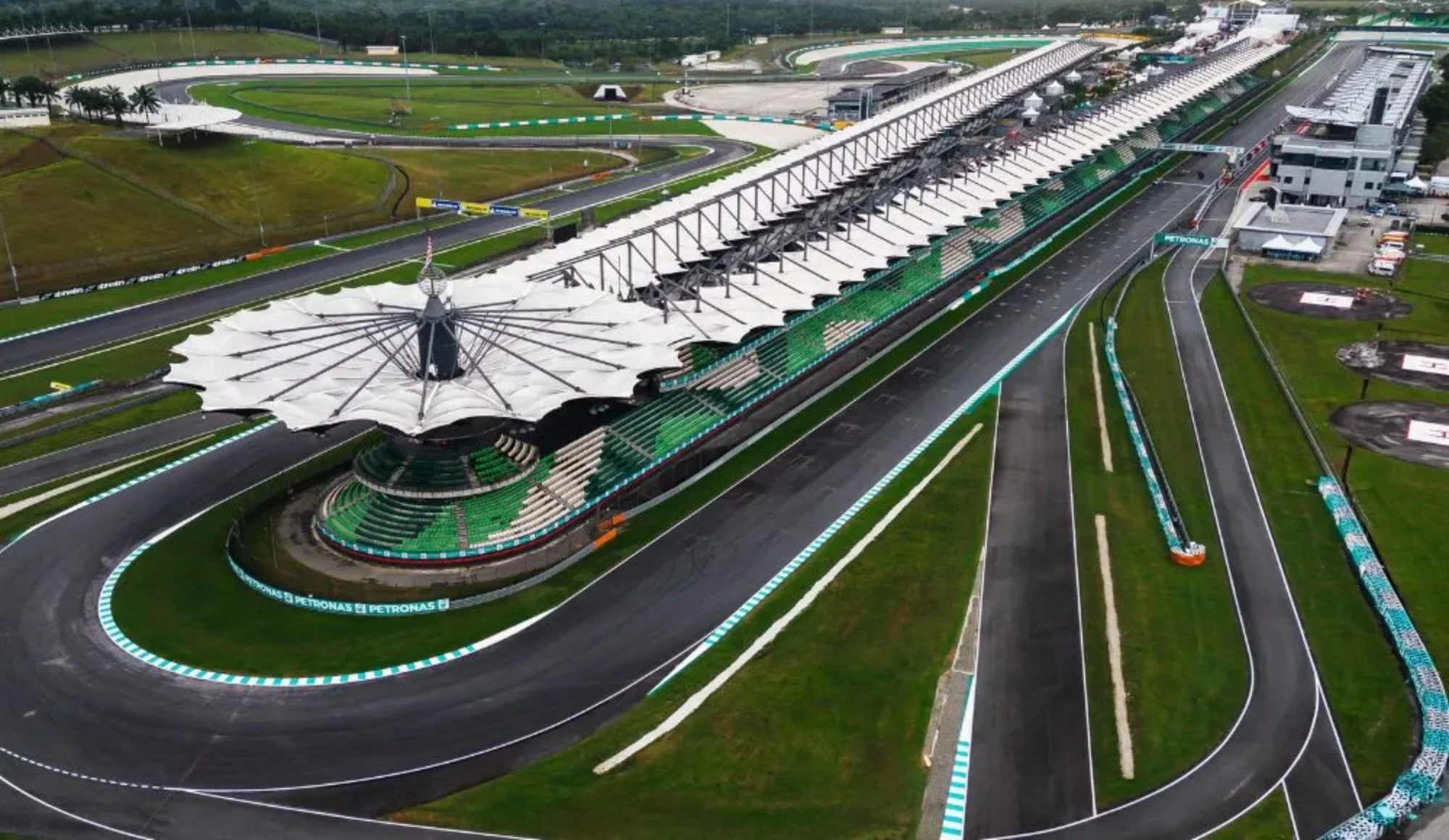
We know this story here better than most. Bukit Jalil National Stadium was built for the 1998 Commonwealth Games and remains, by capacity, one of the biggest football grounds on earth — a genuine source of pride, and rightly so. But the wider National Sports Complex built up around it told a quieter story: several of the satellite facilities beside that flagship stadium were, by the mid-2010s, considered underused enough to justify a multi-billion-ringgit revitalisation plan. We built the cathedral and let the parish hall next door go quiet. That’s the exact failure mode NYC Open Play is trying to avoid — not by building something bigger, but by keeping something small alive, deliberately, every single night, long after the cameras find something else to point at.
NYC Open Play flips the usual logic on its head. It treats the tournament as a spark, not the whole fire. The infrastructure doesn’t need to be enormous on day one — a floodlit field, a member of staff with a whistle and a first-aid kit, a sign-up sheet taped to a fence. What matters is that it’s low-barrier enough that anyone eighteen and up, with or without a team, can turn up on a random Tuesday night and get a game. That’s the part Malaysia, and honestly most of this region, keeps getting backwards. We build the biggest possible container for the big moment, then act surprised when nothing grows out of it once the moment passes.
I keep coming back to this because it’s close to what I’ve spent the better part of a decade trying to build in a much smaller, scrappier way, first through Padangbolasepak.com and now through K2K Juara. You don’t need a Ministry-sized budget to start something that lasts. You need one field, a few committed facilitators, and a standing invitation that doesn’t expire the week after the final whistle. Grow it in stages if you have to — the scale can build over time, but the invitation itself can’t have an expiry date.
So if Malaysia, or Kuala Lumpur or Kuching, ever hosts a marquee tournament weekend again — an ASEAN Championship fixture, an Asian Cup qualifier, SEA Games, or a cup final at Bukit Jalil — the question shouldn’t only be how we fill the stadium. It should also be what pitch, what programme, what facilitator is still standing there the Monday after everyone’s gone home. NYC didn’t invent this idea, and a five-week pilot tied to a mega-event windfall is still just a pilot — it hasn’t proven it can outlast its own funding yet, and neither, frankly, has anything I’ve built. But it’s a working model of a city treating a global tournament as an on-ramp into an active, everyday sporting life for its own people, not a six-week television event that leaves everyone else outside looking in.
That’s the standard I want to hold our own hosts to, myself included. Not just “did we put on a good show,” but “did more people end up playing, more regularly, in more corners of the city, a year after the show ended.” Everything else — the branding, the broadcast rights, the fireworks at the opening ceremony — is decoration around that one number.