One hundred and fifteen charges were laid. One hundred and fourteen were upheld. I have spent a deca...

If there is one thing humans are astonishingly bad at, it is deciding how to throw a proper protest.
Whenever a geopolitical crisis erupts—which nowadays seems to happen every Tuesday around half-past three—the immediate, knee-jerk reaction from activists, politicians, and self-appointed moral guardians is to call for a boycott. “Don’t go!” they bellow into the sky. “Refuse to play! Lock the gates! Stay in the hotel!”
It sounds wonderfully noble, doesn’t it? It has that distinct, warm glow of high-minded moral superiority. You sit at home, fold your arms, sip a warm beverage, and congratulate yourself on having taken the high road.
Except for one minor detail: it is completely, catastrophically useless.
Let us be honest about what actually happens when a sports team decides to boycott a match. You don’t strike a blow for global justice. You don’t force world leaders to immediately drop their weapons and convene an emergency peace conference. What you actually do is hand your opponent three free points, a 3-0 walkover win on paper, and a very quiet afternoon.
The governing bodies in Zurich and Nyon do not stroke their chins and reflect deeply on your principled stand. They reach for their official stamp, issue a eye-watering six-figure fine, deduct points from your qualifying group, and ban you from the next three tournaments. Meanwhile, the television cameras—the very reason anyone was listening to you in the first place—simply pack up their lenses and go broadcast someone else.
By refusing to turn up, you haven’t delivered a statement. You’ve simply made yourself invisible. And in the modern world, being invisible is the absolute worst thing you can possibly be.
Which brings me to Ireland.
Recently, the Irish national team found themselves pitted against Israel in the Nations Cup. Naturally, the usual chorus of internet commentators demanded that Ireland forfeit the match immediately. “Don’t get on the plane,” they advised. “Take the high ground.”
The Irish, sensible people that they are, decided instead to do something vastly more entertaining and infinitely more effective: they turned up, made their point, and beat them 3-0.
This is what adults call constructive engagement, though a better name for it might be “having your cake, eating it, and throwing the empty plate at the wall.”
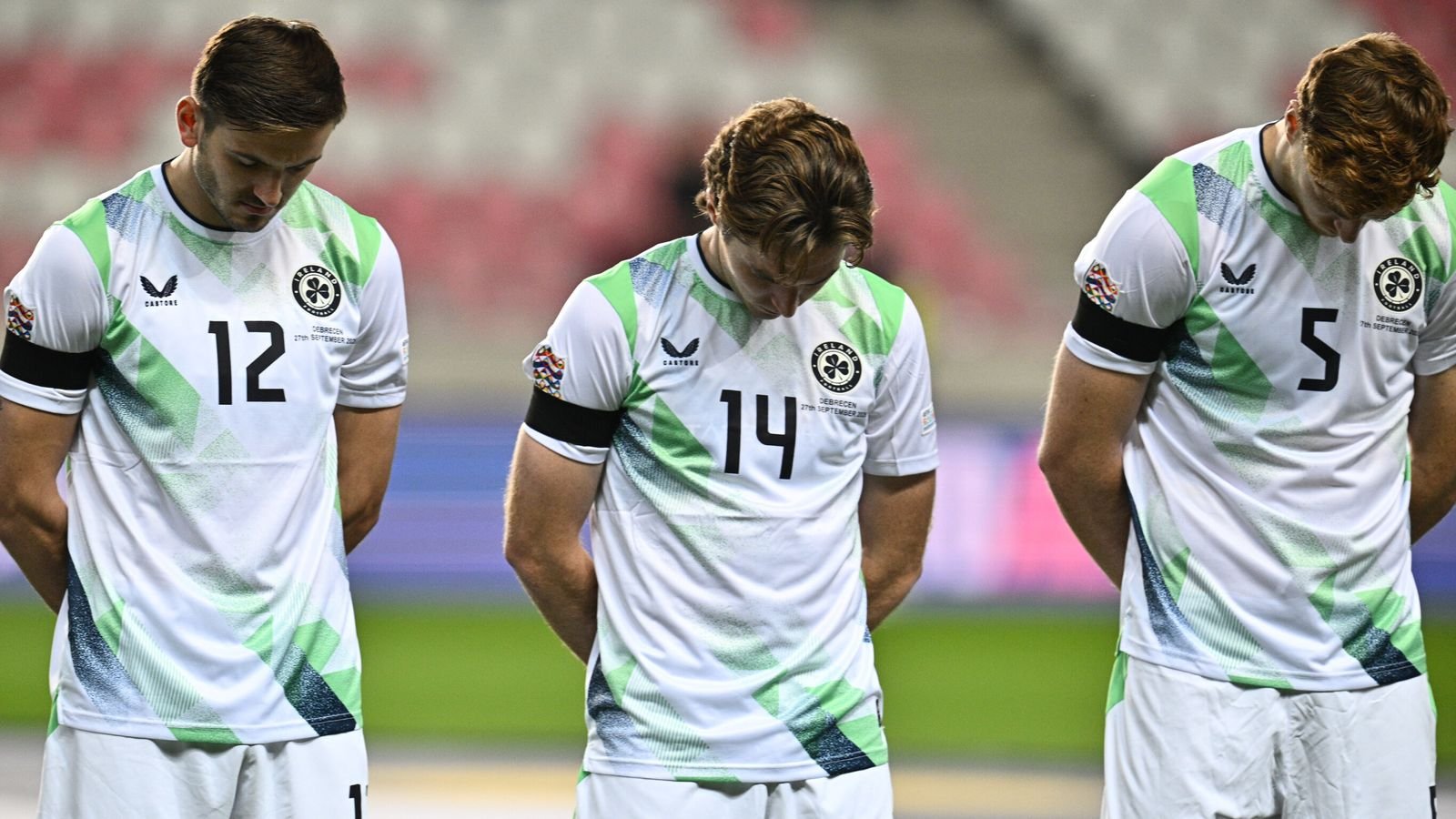
Consider how the evening unfolded. Before a ball was even kicked, the Irish squad executed a masterclass in broadcast manipulation. They stood collectively wearing black armbands. When the pre-match fair-play ritual rolled around, the Irish captain politely, calmly, and very deliberately declined to shake his counterpart’s hand.
Now, you can debate the etiquette of pre-match handshakes all day long. FIFA officials certainly do; they spend millions writing rules about respect and handshakes that run longer than the Magna Carta. But here is the crucial point: the entire world was watching.
Had Ireland stayed in Dublin, the television feed would have shown an empty pitch, a referee checking his watch, and a default win awarded in a silent stadium. Nobody would be talking about it twenty minutes later. But by standing on that grass, right under the high-definition lenses of international television, the Irish team forced millions of viewers across Europe to engage with the exact conversation they wanted to start.
And then—and this is the bit that really matters—they kicked off and thrashed them.
You see, moral gestures carry very little weight if you lose 4-0. If you make a big pre-match statement and then spend ninety minutes tripping over your own boots, you look ridiculous. You become a punchline. But when you follow up a cold, silent handshake with three unanswered goals, the narrative changes entirely. You haven’t just protested; you’ve dominated.
This is the fundamental flaw of the outright boycott. It confuses running away with fighting back. Banning a team from playing might work when the entire world unites to lock a state out—as happened with Apartheid South Africa or Russia—but when it comes down to individual nations or clubs deciding whether to show up, hiding in the changing room accomplishes nothing.
If you genuinely want to make a point on the global stage, you need two things: a platform and a performance.
A platform gives you the audience. The performance gives you the authority. If you give up the platform, you are just a person shouting into an empty car park. If you show up, refuse the polite pleasantries, put on the black armband, and then put three goals past the opposition, nobody can edit you out of the highlight reel.
So by all means, let us have politics in sport. It has been there since the ancient Greeks and it isn’t going away anytime soon. But if you’re going to take a stand, do it on the pitch where everyone can see you—not from the comfort of your couch with a forfeit penalty in the post.