This season, a club built on the spirit of its supporters will compete in Liga Super, with Kela...

Generally speaking, the creative output of a private wealth management firm has all the emotional resonance of an instruction manual for a Swiss water pump. It is an industry built on the quiet, meticulous aggregation of percentage points, historically marketed through glossy brochures featuring silver-haired couples staring serenely out over the bow of a yacht they probably rented for the weekend. It is necessary, it is lucrative, but it is rarely the sort of stuff that leaves you weeping into your evening tea.
So, you can imagine my mild astonishment when Gambit Group decided to pivot away from the standard bureaucratic theatre of asset allocation and dive headfirst into the turbulent waters of Father’s Day sentimentality. They haven’t just dipped a toe in; they’ve constructed a narrative designed to bypass your fiscal brain entirely and tap straight into your human core.
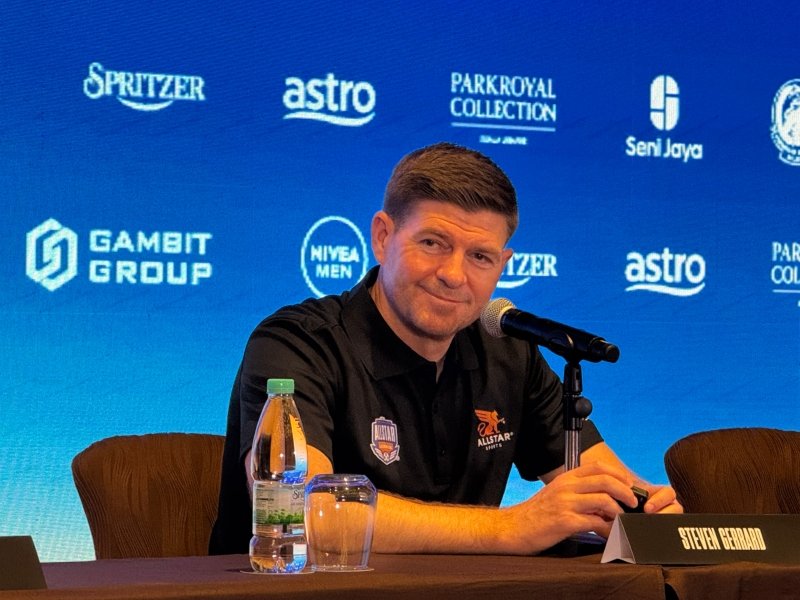
It is a fascinating, highly ambitious manoeuvre. Underneath the delicate, nostalgic exploration of family dynamics lies a very clever, high-octane commercial engine. Gambit Group isn’t just asking you to contemplate your familial legacy over a quiet plate of char kway teow; they are subtly, masterfully laying the groundwork for something far louder. They are using the raw, universal pull of fatherhood to build a bridge toward a massive sporting spectacle: the upcoming All-Star Legends football match at the Bukit Jalil National Stadium this October. Yes, Steven Gerrard is coming to town, and a wealth firm has figured out that the best way to fill a 100,000-seat stadium is to first remind you exactly who introduced you to the beautiful game in the first place.
When you look past the corporate watermark, the actual philosophical argument the film puts forward is remarkably heavy. It addresses a fundamental, inescapable truth that most of us spend our adult lives actively trying to dodge: life is a profoundly poorly timed affair, and human biology is entirely undefeated. We all begin our journey convinced we are the mercurial winger destined to score the match-winner in the cup final. Then, the universe intervenes. Mortgages happen. Knees turn to jelly. Your dreams don’t die spectacularly; they just get filed away under “miscellaneous” while you sit in bumper-to-bumper traffic on the Federal Highway.
But the film introduces a beautiful, almost poetic sovereignty gambit: the generational hand-off.
The thesis is clear: your unfulfilled ambitions didn’t actually hit a dead end; they simply migrated into the DNA of your children. This is where the film aligns surprisingly well with the actual, unspoken ethos of wealth management. The suits in the big offices like to talk about outperforming inflation or structuring trusts, but that is just vocabulary for the masses. True wealth preservation is not about hoarding pieces of paper; it is about purchasing the ultimate human luxury—time, stability, and structural opportunity. It is about building a financial and emotional launchpad so robust that your children have the freedom to finish the exact race you were forced to abandon.
This model of generational inheritance doesn’t just stop at the dining room table; it applies beautifully to the grand, often heartbreaking theatre of Malaysian sporting culture. And God knows, our footballing history could use some proper wealth management.
For years, the bigwigs running local football fell for the ultimate shortcut: the catastrophic “naturalisation” circus. Rather than doing the hard, unglamorous work of planting seeds, they tried to buy an instant garden. They imported external talent, fast-tracked passports, and expected an overnight paradise.
It was a total train wreck. It failed because you cannot buy a footballing soul off a shelf. A successful, sustainable culture cannot be jerry-built with quick fixes; it requires a genuine, long-term inheritance plan.
True institutional wealth managers are the local legends who realised this. The icons who didn’t chase a quick payday but instead went back to the mud. By quietly building academies, fixing broken grassroots pathways, and dragging administrative governance kicking and screaming into the modern era, they made the ultimate sacrifice. They knew they would never lift a World Cup trophy themselves. They accepted that their own playing days were done, choosing instead to act as the scaffolding for a future generation of Malaysian kids they might never even meet.
The intellectual foundation of Gambit’s film is, therefore, entirely spot-on. It is a brilliant premise. However, as an exercise in cinematic execution, the film stops just short of greatness because it suffers from a classic corporate ailment: it is simply too beautiful.
Every frame is immaculate, polished, and bathed in the sort of pristine lighting you usually see in a luxury condominium commercial. The actors look like they’ve never stood downwind of a smoky Ramly burger stall in their lives. The problem with this level of gloss is that the human brain possesses an incredibly sensitive internal ad-detector. The moment a scene looks too perfect, the shutters go down.
If you look at the Spike Lee-directed “Who Are Ya?” campaign for Airwallex and Arsenal, you see the exact opposite approach. It’s gritty, it’s noisy, and it feels like a rainy Tuesday night at a local pub. It feels real.
Gambit missed a massive, wide-open goal by choosing actors over raw reality. Imagine the absolute emotional devastation they could have achieved if they had cast a real, battle-scarred Malaysian football icon—someone like Zaquan Adha. Imagine a sequence where those genuine, weathered hands pass an old, scuffed pair of boots down to their actual flesh-and-blood son. The emotional ROI would have been off the charts. It would have grounded the entire campaign in local reality, making the October match at Bukit Jalil feel like a true celebration of our own heritage, rather than just a high-profile exhibition.
In the grand scheme of things, Gambit Group deserves immense credit for stepping onto this pitch. They have successfully bypassed the dry, robotic language of finance and touched upon a profound, universal human truth: we survive through what we pass down.
They have engineered a magnificent, V12-powered concept of a short film. The chassis is beautiful, and the intellectual engineering underneath is absolutely flawless. But when it came to filling the tank, they got a bit timid. Instead of fuelling it with the raw, high-octane premium fuel of local, unfiltered human reality, they opted for standard, actor-grade supermarket petrol.
We will all still flock to Bukit Jalil in October, of course. We will gladly watch Steven Gerrard roll back the years, because footballing nostalgia is a magnificent drug. But as we sit under the stadium lights, we will still be waiting for the first corporate brand brave enough to take off the makeup, throw away the script, and show us what real sacrifice actually looks like.
Check out the short film here: https://youtu.be/cwsSoYSWFzI?si=iuYXFdS2G4nlRAk2