One hundred and fifteen charges were laid. One hundred and fourteen were upheld. I have spent a deca...

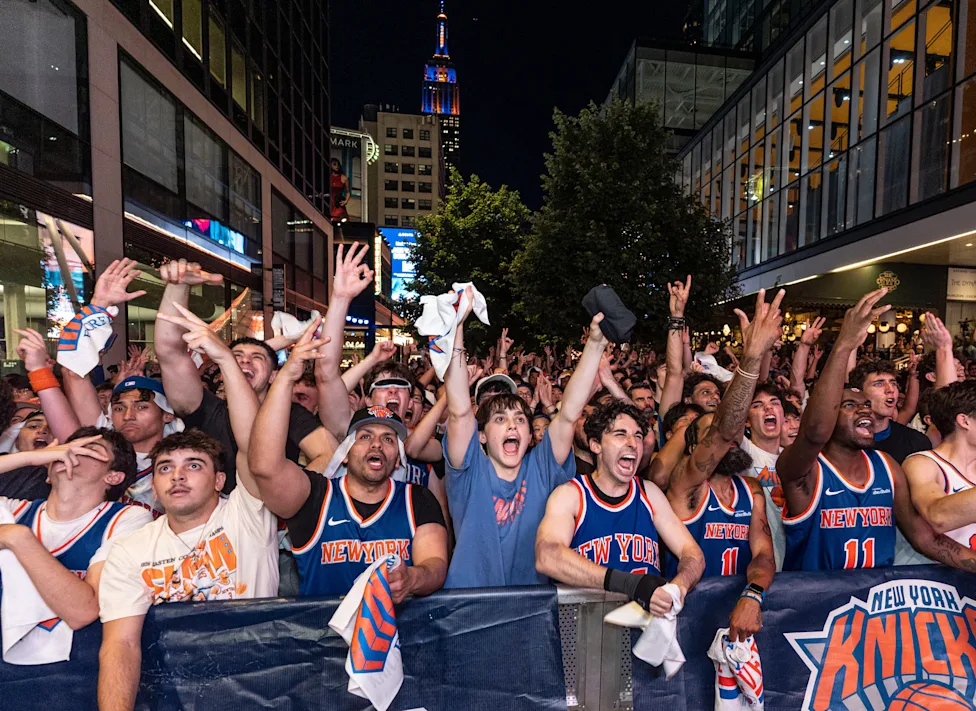
On the night of June 14, 2026, New York City stopped being a collection of five boroughs and became something rarer — a single, breathing thing. The New York Knicks had just won their first NBA championship in 53 years, beating the San Antonio Spurs in Game 5, and within minutes, tens of thousands of people poured into the streets. Fireworks burst over Brooklyn and Central Park. Police officers in the Bronx were heard cheering over loudspeakers. Outside Madison Square Garden, strangers embraced. The city, famously atomised, famously indifferent, was undone by joy.
Mayor Zohran Mamdani announced a ticker-tape parade down the Canyon of Heroes before the confetti had even settled. “For more than 50 years,” he said, “New Yorkers have waited for this moment. Through near misses, heartbreak and a hope that every year could be our year, this city never stopped believing in the Knicks.” Then he added something worth sitting with: he had read that morning about how unity in New York usually arrives through tragedy. “It is so beautiful,” he said, “that this unity is coming from a moment of joy.”
That observation travels. It travels because in Malaysia, and in Kuala Lumpur especially, we have a habit of reaching for unity only when a crisis forces our hand — and even then, the reach is often performative, top-down, and short-lived. The Knicks’ moment was neither of those things. It was 53 years in the making.
There will, predictably, be people in positions of authority who look at what happened in New York and ask the obvious question: how do we replicate that? How do we engineer that kind of civic feeling? How do we get people to come out like that for our city, our team, our event?
It is the wrong question. And the fact that it gets asked tells you everything about why we are where we are.
What happened in New York was not engineered. It was accumulated. The Knicks won their championship on the backs of players — Jalen Brunson, Mikal Bridges, Josh Hart — who had built something together over the years, who had been written off, who had come back. The city had watched them knock on the door, season after season. It had absorbed the disappointments and kept the faith anyway.
Dan Harris, a former ABC News anchor, put into words what the championship run had quietly done to the city: “We’re in a city where most of us spend most of our time focused on individual achievement, staring into our phones. But for the past few weeks, we’ve been pouring into bars together and living rooms and sharing an experience together.” That togetherness did not arrive by directive. It was earned through consistent presence, through seasons of investment, through a cultural infrastructure of fandom that had been quietly maintained even in the lean years when it made little sense to bother.
Malaysian cities like KL do not lack passion. Anyone who has watched a Harimau Malaya qualifier or been in a mamak when the national team scores knows that the feeling is real and fierce. What we lack is the institutional patience to let that passion root, deepen, and become identity rather than occasion.
The uncomfortable truth is that sport in Malaysia is still largely administered as an event rather than a culture. Programmes are launched, funding is secured, metrics are reported, and then the moment the numbers flatten, or the political winds shift, the scaffolding comes down. Communities that had begun to gather around something are left without a home. The question stops being “why don’t people show up?” and becomes something harder: why would they, when they have learned not to trust that anything will still be there next season?
Building genuine civic belonging through sport requires something that Malaysian institutions have rarely been willing to offer: consistency without immediate return. The New York Knicks did not become culturally central to their city because they won. They became central because they were present — in good years and bad, in the Garden on a Tuesday night in November as much as in a Finals game in June. The infrastructure of fan culture, the media ecosystem, the neighbourhood rituals, the generational handover of loyalty from parent to child — none of that is built by a single championship campaign or a one-off activation. It is built by showing up, over and over, until showing up is simply what people do.
The challenge to those in and around Malaysia who genuinely want to see their cities move is direct: stop measuring success in attendance at individual events and start measuring it in how many people come back. Stop asking why the crowd was small and start asking what you offered them that was worth returning for. Stop looking at New York with longing and start doing the unglamorous, underfunded, years-long work of giving your community something to believe in.
New York celebrated because it had earned the right to do so. The Knicks were not just a team that won a trophy. They were the vessel for something a city had been holding onto — quietly, stubbornly — for half a century. When the final buzzer sounded in San Antonio, it was not just a championship that arrived. It was the vindication of everyone who had kept showing up when there was no rational reason to.
Cities like KL can have their own version of that. Kota Bharu, Ipoh, and others have done so in the distant past. But it will not be manufactured on a government white paper or announced in a press conference. It will grow slowly — in community courts, youth leagues, neighbourhood clubs, and the kind of grassroots work that rarely makes headlines and rarely gets thanked. The people already doing that work understand this. They are not waiting for a parade to keep going.
The question is whether the people who hold the resources and make the decisions are willing to trust the process long enough to let it become something real. Not for them. For whoever comes after.