One hundred and fifteen charges were laid. One hundred and fourteen were upheld. I have spent a deca...

There is a distinct brand of arrogance unique to the modern sports executive, a psychological affliction born in the air-conditioned boardrooms of corporate offices where men who have never stepped into a board meeting in their lives convince themselves that a glossy PowerPoint deck and a resume in football grants them the divine right to rewrite history. They view grassroots sports not as the lifeblood of the community, but as open-access real estate ripe for a hostile takeover.
Enter the tragicomedy of the Kuala Lumpur Football Association (KLFA) and its corporate offspring.
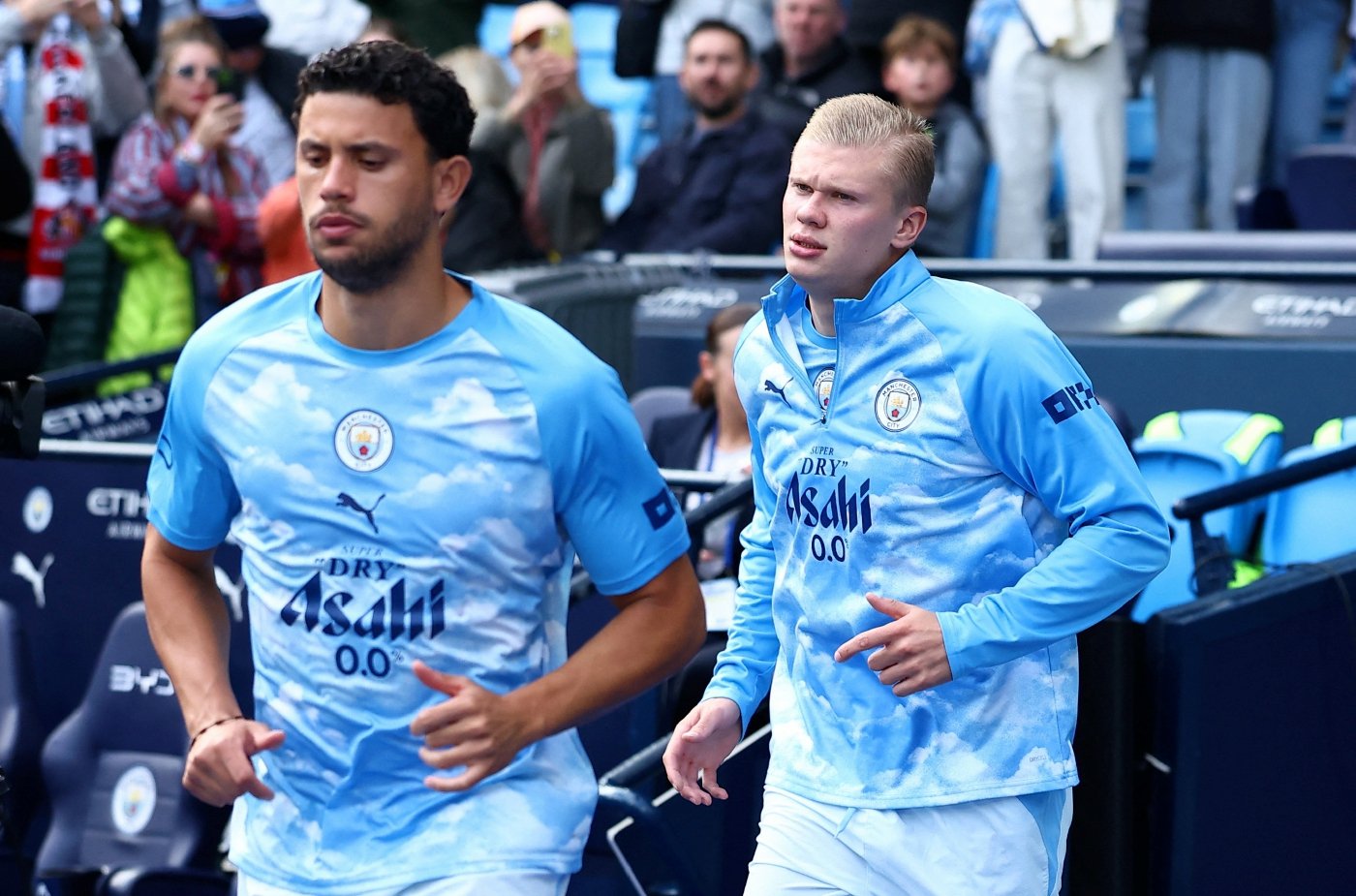
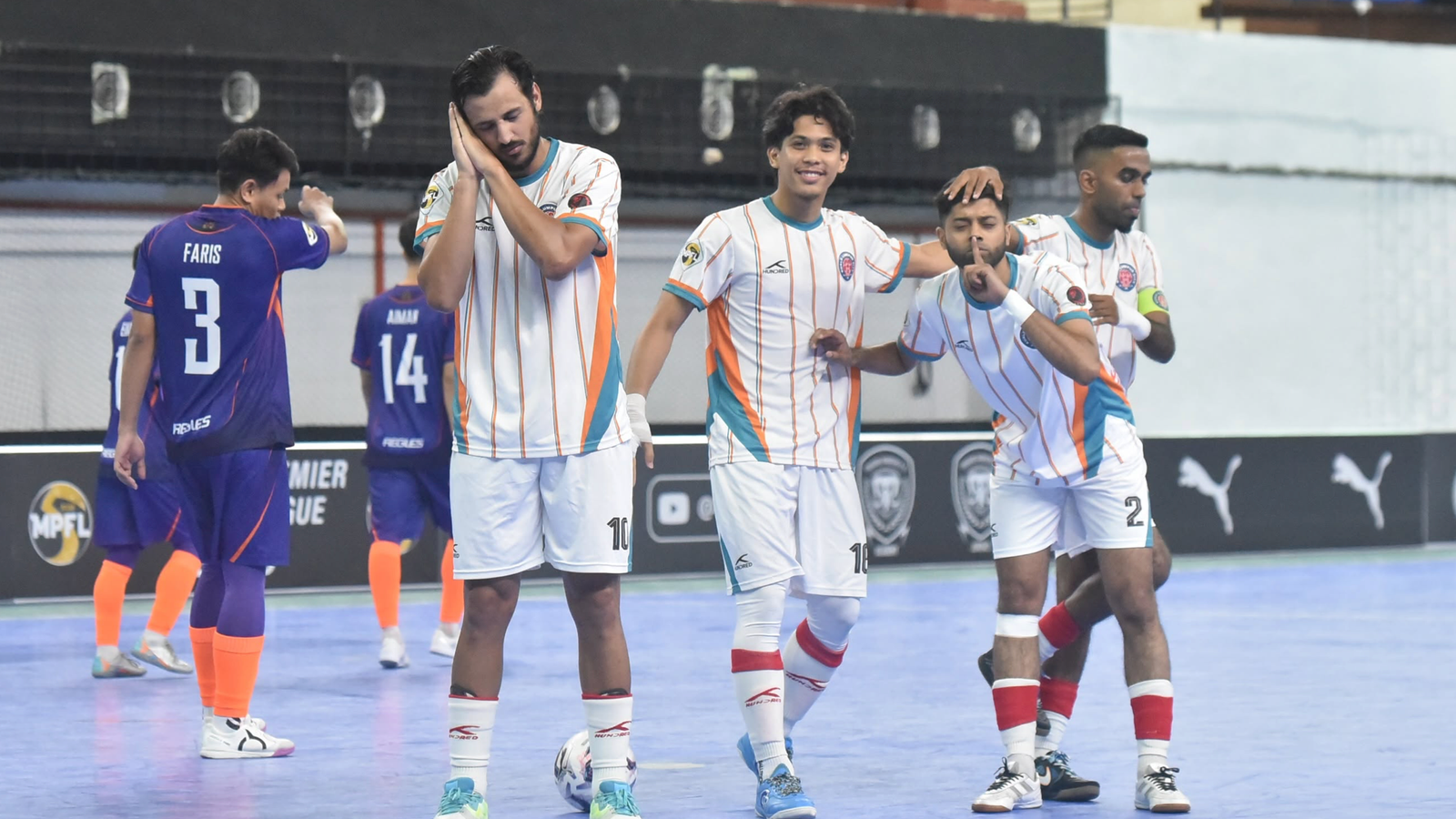
For over a decade, the KL City FC Futsal Club was the real deal. Founded in 2009, long before sports privatisation became a buzzword for local bigwigs to mismanage public funds, this grassroots outfit did things the hard way. They registered properly under the Sports Commissioner, bled on the court, earned their spot in the Malaysia Premier Futsal League, and legally anchored their identity by filing for trademark protection with MyIPO. They built a brand from nothing but sweat and linoleum. Then, in 2021, the football suits woke up, decided their own legally mandated corporate identity was too boring, and simply stole the futsal club’s name because it looked better on a jersey. It is the classic corporate swindle: the lazy elite asset-stripping the working-class pioneer, all in the name of marketing aesthetics.
Let us look at the paperwork, because facts are notoriously a stubborn thing. In 2020, under the grand project of Malaysian football’s privatisation drive, the KLFA registered a corporate private limited entity with the SSM named Kuala Lumpur United Sdn. Bhd. It was clean, it was legal, and it was entirely distinct. But by March 2021, the management team apparently decided that “United” didn’t possess enough commercial sex appeal. In an act of staggering institutional laziness, they abandoned their actual legal name and unilaterally rebranded as Kuala Lumpur City FC, knowing full well that an active affiliate futsal club had been using that exact name since the late 2000s.
When the grassroots pioneers rightfully called out this corporate identity theft, the response from the high tower wasn’t an apology; it was a masterclass in comedic bureaucracy. KLFA President Syed Yazid Syed Omar offered a defense so absurd it borders on performance art, suggesting that the “KL” in the futsal club’s name didn’t have to mean Kuala Lumpur. No, he argued with a straight face, it could stand for Kuala Langat.
Let’s unpack the sheer, unadulterated stupidity of this semantic gymnastics. Kuala Langat is a district in the state of Selangor, entirely outside the KLFA’s jurisdiction. For the president of the Kuala Lumpur Football Association to suggest his own affiliate member belongs to a completely different state administration is not just gaslighting; it is administrative malpractice. He might as well turned it into a proper joke and tell everyone that it could actually stand for “Kangaroo Lover.” It insults the intelligence of every sports fan in the country who knows the difference between the capital city and a palm oil district in Selangor.
To the casual observer operating on standard-issue common sense, this might look like a petty spat over a couple of letters, the kind of minor turf war that the defenders of the status quo assume can be swept under the rug over a plate of nasi lemak. But this isn’t aplayground dispute; it is a legal and commercial train wreck. In the real world of sportsbusiness, Intellectual Property is the only currency that actually matters. When a corporate entity operates under a stolen, legally contested moniker, they create a toxic environment for commercial growth. No blue-chip corporate sponsor is going to cut a million-ringgit check to a football club whose primary brand asset is subject to a pre-existing MyIPO filing. The legal ambiguity acts as a repellant for serious corporate investment.
Furthermore, identity in the digital age is algorithmic. Fragmented Search Engine Optimisation completely destroys digital value; when a fan searches for the club, the metrics are split between a decade-old futsal institution and a runaway football club. It dilutes data tracking, ruins digital monetisation, and confuses international broadcasters.
Even major international kit manufacturers do not play games with trademark infringement, as no global sports brand is going to invest heavily in printing thousands of replica jerseys when they face the very real threat of a mid-season court injunction halting sales. By prioritising short-term marketing vibes over long-term legal diligence, the suits have turned a primary sporting asset into a radioactive liability.
How does a farce of this magnitude survive in a professional ecosystem? Look no further than the Malaysian Football League. The governing body treats club licensing not as a rigorous evaluation of corporate health, but as a brainless, mechanical checklist. Their philosophy is simple: Do you have a stadium? Yes. Do you have a bank account? Yes. Do you have eleventh-hour political backing to clear your immediate debts? Excellent, pass go and collect your professional license. The MFL has completely ignored the commercial protection of the assets within its own pyramid, creating a system that checks if a club has paid its water bills but fails to check if the club actually owns the name printed on the front of the building. By completely ignoring MyIPO clearances and IP validation, the MFL has allowed its premier competition to become a playground for corporate bullies who view regulations as optional suggestions. It is bureaucratic theatre of the highest order—plenty of paperwork, absolutely zero accountability.
Enough is enough. The Wild West era of Malaysian football privatisation needs to be brought to a grinding halt. We do not need more committees, we do not need more press conferences at five-star hotels, and we certainly do not need any more geography lessons concerning Selangor districts from the KLFA leadership. The ultimatum is blindingly simple: The MFL must immediately force the football club to drop the stolen moniker and compete under the actual corporate name they registered with the SSM: Kuala Lumpur United. If “United” isn’t flashy enough for the marketing executives, then they should have hired a better creative agency in 2020 instead of robbing the grassroots pantry.
Moving forward, the regulatory framework must be overhauled to ensure this corporate overreach never happens again, meaning mandatory MyIPO clean clearance certificates must be integrated into the official club licensing framework alongside standard infrastructure and financial checks. If privatisation is to mean anything more than a buzzword used to secure state subsidies, it cannot operate as a license for corporate syndicates to bully grassroots pioneers. The KL City FC Futsal Club earned their name through twelve years of survival in the trenches of Malaysian sport. If the suits want a city brand, they can go back to the boardroom, open up their spreadsheets, and build one legally from scratch.