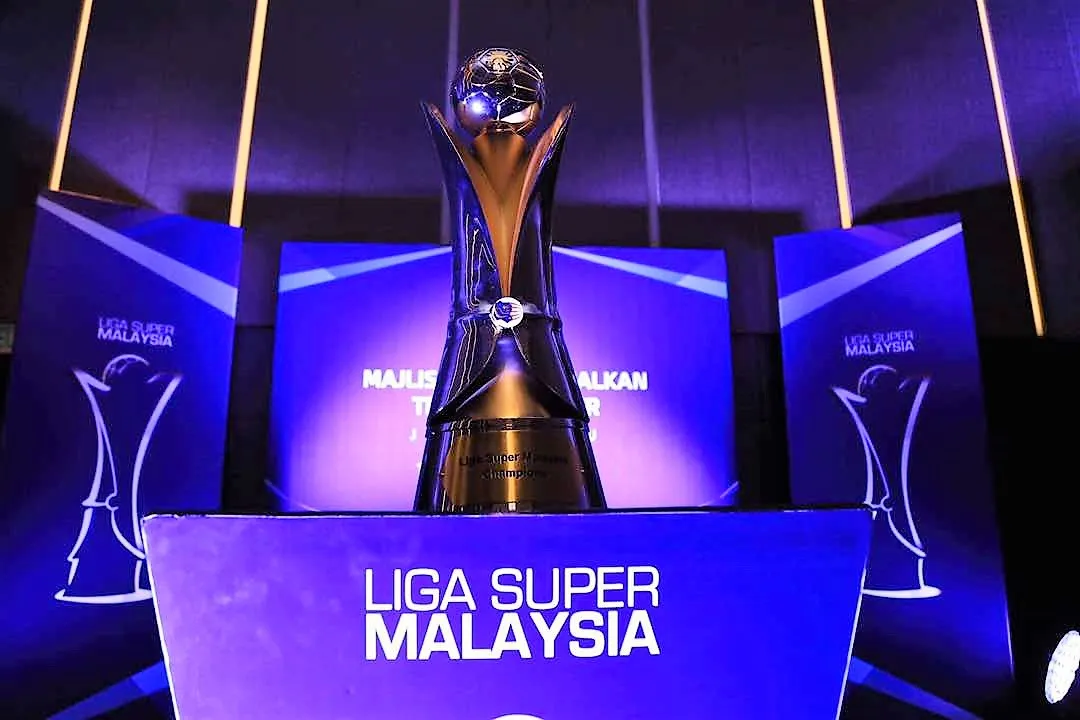
This season, a club built on the spirit of its supporters will compete in Liga Super, with Kela...


The keyboard warriors and the ten-sen pundits are having another one of their grand, hand-wringing meltdowns. If you believe the mainstream sports pages or the grief-merchants on your timeline, Malaysian football is in the middle of a terminal decline, gasping for air because a random weekend night league match in Cheras didn’t pack out-thirty thousand souls. They look at a scattering of empty plastic seats at Bukit Jalil and declare a state of national emergency. It’s a beautifully orchestrated circus of panic, a badly scripted drama performed by people who still think a marketing strategy involves handing out flyers at a night market.
Let’s drop the polite corporate speak and perform an autopsy on this collective delusion. The sky is not falling. As someone who has spent decades navigating the hyper-monetised trenches of sports marketing, I am here to tell the suits and the bigwigs to calm down. The industry doesn’t need to panic. Total interest, brand engagement, and commercial metrics aren’t dying; they are booming extensively. They have simply shifted coordinates via an irreversible, permanent digital migration.
But before we map that migration, let’s dismantle the favourite scapegoat of the lazy analyst: the “JDT dominance” excuse. The armchair critics love to whimper that Johor Darul Ta’zim’s clinical, multi-trophy hegemony has made local football boring, supposedly driving the casual viewer away with the sheer predictability of their perfection. What an absolute load of bureaucratic theatre. JDT’s relentless excellence hasn’t ruined the game; it has dragged the entire ecosystem kicking and screaming into the twenty-first century. They elevated the technical and commercial baseline, forcing every other club to stop operating like Sunday league committees. The physical drop-off in stadium turnstiles isn’t an emotional boycott of a ruthless champion. To suggest so insults the intelligence of the modern consumer.
The reality is far more sophisticated. The modern Malaysian football fan is evolving from a traditional, location-bound supporter into a highly market-centric consumer. They aren’t abandoning the sport; they are consuming it on their own terms. Why brave the logistical nightmare of Kuala Lumpur traffic, hunt for non-existent parking, and sweat through their shirts in thirty-two-degree heat just to watch a broadcast that looks better on a tablet? The contemporary fan demands content liquidity. They want multi-screen convenience, immediate TikTok grids, savage WhatsApp group-chat banter, and seamless streaming flexibility. The match is no longer just a ninety-minute physical event; it is a decentralised, hyper-connected digital ecosystem.
This brings us to the sponsor manifesto, a reality check for the legacy brands still wasting millions on passive pitch-side billboards and outdated experiential marketing. Those relics belong in the museum alongside VHS tapes. Modern sports brands must aggressively concentrate their activations on digital and social platforms. We are talking streaming overlays, collaborations with digital creators, and virtual gamification. The physical match should no longer be viewed as the destination; it must be treated by sponsors merely as a high-definition, heavily insulated content studio designed to generate viral assets for millions of five-inch screens. The brand value isn’t on the grass; it’s in the ether.
Yet, this massive digital exodus has triggered a fascinating, accidental alchemy. By clearing out the casuals, the daydreamers, and the corporate hospitality freeloaders who only show up for the free curry puffs, the digital migration has actually purified the stadium experience. The mere “spectators” have left the building to consume their sanitised highlights in air-conditioned comfort.
And thank God for that. Because it leaves the physical terraces tonight exclusively to the true supporters, the fanatical core, the beautiful madmen who understand that football is a secular religion.
Tonight, under the towering canopy of Bukit Jalil, as JDT faces a historic, romantic surge from Kuching City, the digital noise fades into irrelevance. Nothing in this hyper-mediated world beats the raw, sensory velocity of the physical stadium experience. You can stream a match to millions of phones, you can optimise the algorithms, and you can track the impressions, but you can never download the feeling of standing on the terraces.
When the Ultras start their non-stop, hypnotic chanting, when the thumping bass of the drums rattles the very marrow in your bones, and when the ball finally ripples the back of the net to trigger an explosion of absolute, unadulterated euphoria—that is something no screen can replicate. The suits can have their metrics, and the casuals can have their feeds. But tonight, the stadium belongs to the believers, drowning out the cynics in a roaring symphony of sweat, smoke, and soul.