This season, a club built on the spirit of its supporters will compete in Liga Super, with Kela...

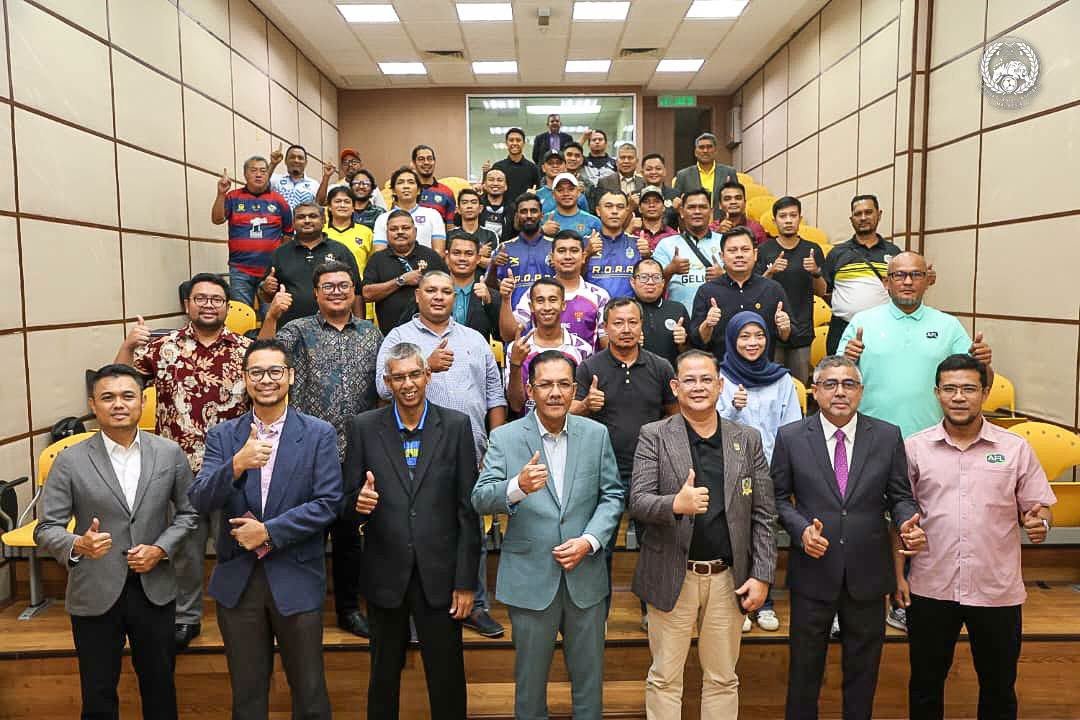
If you were looking for the epicentre of Malaysian irony this May, you needn’t have looked further than the mahogany-scented bunkers of the Terengganu Football Association (PBSNT). Behind closed doors—naturally, because transparency is to a “bigwig” what garlic is to a vampire—the stakeholders gathered for a “summit” to decide whether Terengganu FC (TFC) should perform a ritualistic seppuku by abandoning the Malaysia Super League (MSL). The rationale? The piggy bank isn’t just empty; it’s been smashed, ground into dust, and sold for scrap.
I, of course, was pointedly uninvited. It seems my habit of calling a spade a “rust-bucket of administrative failure” makes the keropok lekor at these meetings go down a bit soggy. When the inmates are debating how to conduct the asylum’s liquidation sale, the last person they want in the room is someone who knows where the keys are hidden.
The summit was convened because there was a suggested “strategy” that had all the tactical nuance of a horror movie villain. The proposal to retreat to the semi-pro league is not a pivot; it’s a mindless amputation. In the world of professional football, an MSL license is a golden ticket that represents a premium asset. To simply “delete” it because you can’t manage a balance sheet is the ultimate bureaucratic theatre. It’s like owning a Ferrari, realizing you can’t afford the petrol, and instead of selling it to a collector to recoup value, you decide to turn it into a chicken coop in the backyard of Liga A1. This “chainsaw massacre” suggestion and approach to sports management treats a legacy institution like a bad debt that needs to be written off, rather than a public trust that needs to be privatised or professionally overhauled.
The “summit” ultimately concluded that TFC would stay in the MSL, which means they’ve decided to keep the lights on in the mansion while the foundation is being eaten by termites. But the mere fact that “retreat” was even on the table reveals the intellectual bankruptcy of the people at the helm. They see football as a burden rather than an opportunity, primarily because they have failed to master the most basic tenets of the modern game: commercialisation and financial sustainability. They sit in their air-conditioned rooms, clutching their credentials, yet they cannot seem to grasp that an elite league license is a marketable commodity. If you cannot afford to run the team, you don’t burn the license; you sell the stake, you find partners, or you exit with some shred of commercial dignity.
But here is the “uncomfortable truth” the suits hate: PBSNT has no business sinking millions of taxpayer Ringgit into a professional vanity project. For too long, the State Association has operated as a glorified talent agency for thirty overpaid players and a handful of slick agents who treat the state treasury like a personal ATM. This is a perversion of governance. A State Association’s true mandate is the provision of Public Commodities. We are talking about infrastructure that doesn’t resemble a paddy field after ten minutes of monsoon rain, governance that actually applies to everyone—not just the guys with “Datuk” on their business cards—and a state-wide competitive framework that benefits the most number of people, not just the elite few at the top of the pyramid.
The “Spectacle” of the pro team has cannibalised the “System” of the local game. We are sinking millions into a professional illusion while the grassroots are left to wither like unwatered serai. We have created a top-heavy monster that has no roots in the actual soil of Terengganu. When you spend the entirety of your budget on foreign imports and high-performance staff while local community pitches remain derelict and unlit, you aren’t developing football; you’re funding a circus. The public commodity doctrine dictates that the state should provide the stage, not the actors. The state should build the stadium and the league, not pay the striker’s monthly mortgage.
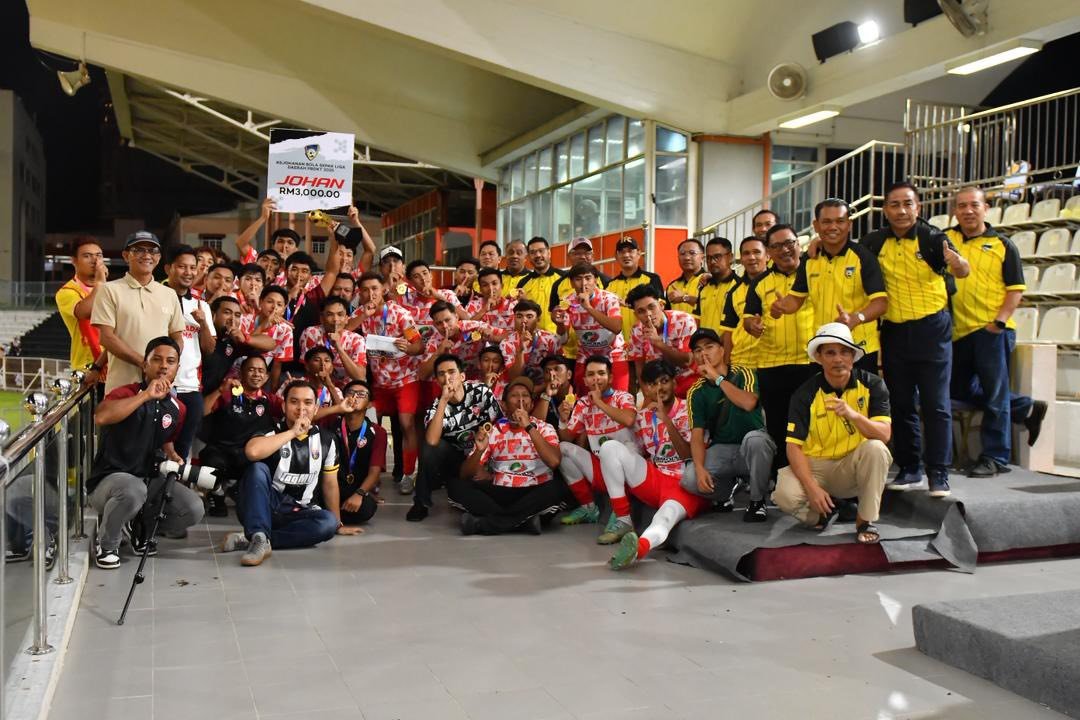
As we approach the June kickoff of the inaugural Kuala Terengganu League, we are finally seeing what a real system looks like. This upcoming league is the blueprint for what PBSNT should have been doing all along. It represents a fundamental shift from being “failed landlords” to “visionary architects.” The Return on Investment of a local league is clear and immediate. It creates a marketplace for local businesses, from the tent vendors and the air balang sellers to the kit printers in Gong Badak. It provides a stage for local talent that doesn’t require a secret handshake or an agent’s commission. In the Kuala Terengganu League, the talent is discovered through merit, not through a “summit” of suits who wouldn’t know a world-class midfielder if he tripped over them in Pasar Payang.
A state-wide league creates a self-sustaining ecosystem that costs a fraction of a single MSL marquee signing but generates ten times the social capital. It fosters community pride, provides a weekend focus for the youth, and builds a genuine footballing culture that isn’t dependent on the whims of a state budget. This is where the true sovereignty of Terengganu football lies—not in a trophy cabinet filled with expensive, leased glory, but in a vibrant, competitive local league where every village and every district has a stake in the game.