I have a theory about modern life. It is that we are all being slowly, deliberately, and systematica...


We must begin with a fundamental truth about modern sports governance: usually, it is run by absolute organic turnips. Normally, when a regional government decides to “invest in sport,” it involves a local politician in a hard hat standing next to a half-finished, multi-million-dollar stadium that looks like a crashed spaceship, promising that a third-tier franchise will “put the town on the map.” It never does. The money vanishes into a black hole of consultancy fees, the stadium becomes a nesting ground for particularly depressed pigeons, and the taxpayers are left with the bill. But over in the Malaysian state of Pahang, something rather extraordinary is happening, and I do not say this lightly.
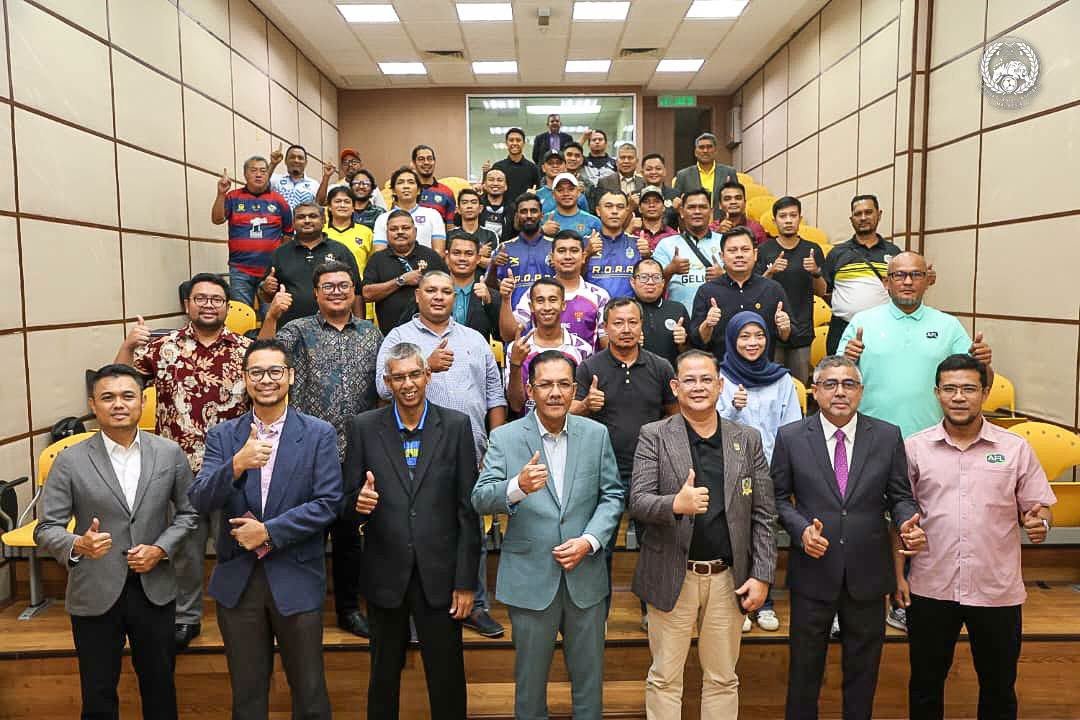
Next week marks the launch of the inaugural Liga Bola Sepak Rakyat Pahang 1st. It is a tournament of biblical proportions, with 112 teams from every corner of the state tearing chunks out of each other on Sunday afternoons to win the Sultan Abdullah Cup. On paper, this is a masterclass in how a state government should actually operate. Instead of buying a single, wildly expensive Brazilian striker who spends most of his time falling over or nursing a hamstring injury in a nightclub, the administration has dumped its resources into the grassroots. It means thousands of local lads are out on the pitch getting fit, rather than throwing rocks at greenhouse windows or discovering the dark arts of street racing.
There is, however, a massive, elephant-sized catch, and in Pahang, it is a literal one. You see, while the grassroots foundation is currently teeming with life, the top of the pyramid is entirely vacant. Sri Pahang FC—the mighty Tok Gajah—recently ran completely out of money and plummeted out of the Malaysia Super League like a grand piano pushed out of a third-story window. This creates a spectacular structural crisis. If you are a breathtakingly talented 19-year-old playing in the Sultan Abdullah Cup, you have nowhere to go. The ladder has been axed. You can dominate your local district league all you want, but your ultimate reward is absolutely nothing. It’s like building a magnificent, ten-mile runway and then forgetting to buy any airplanes; the players are just stranded at the terminal.
Thankfully, the local rumour mill is currently buzzing with some rather sensible gossip. The word on the street is that Sri Pahang FC is planning a comeback next season, but crucially, they aren’t going to use a massive corporate cheque to buy their way back into the top flight. Instead, they are going to start at the bottom of the semi-professional ladder in the Liga A1. And that is exactly what needs to happen. Jumping straight from a muddy park pitch in Pekan into the hyper-accelerated, terrifyingly intense world of the Malaysia Super League is a terrible idea. It’s like taking a teenager who has just passed his driving test in a Perodua Kancil and strapping him into a twin-turbocharged McLaren on a wet Tuesday at Silverstone. He will panic, he will crash, and it will end in a massive, expensive fire.
By resetting Sri Pahang at the semi-pro level, you create a vital buffer zone. It’s a transmission system where the grassroots feed into the semi-pro workshop, which eventually powers the top flight. It is a gearboxes-and-clutches approach to human development, allowing you to build a battle-hardened core of local boys who actually care about the badge because they were scouted from the very fields they grew up next to.
But we must address who is actually going to pay for this resurrected semi-pro machine. In the old days, football clubs were playthings for local tycoons who would inject cash until they got bored or went bankrupt, and we cannot let that happen again. Instead, the financial keys to Sri Pahang FC should be handed back to where they historically belong: the Pahang Royal Institution. The late Sultan Ahmad Shah was an absolute titan of football administration who lived and breathed the sport. When a royal house backs a football club, things change. Royal patronage acts as a massive, armoured shield against the kind of short-term, reckless financial idiocy that ruins modern sports franchises. A King does not care about next quarter’s corporate spreadsheets; a King cares about legacy, forcing the club to think in terms of decades rather than months.
Best of all, this creates a magnificent fiscal firewall. Public tax revenues remain uncompromised, isolated entirely for public welfare, community health, and the management of grassroots tournaments like the Liga Pahang 1st. Meanwhile, elite sporting ambitions are underwritten by sovereign prestige and private consortia under royal stewardship. The public purse funds the masses, and the royal legacy funds the pinnacle. It is so logical it makes your teeth hurt.
Once this entire men’s machine is up and running, the state shouldn’t just sit back and have a cup of tea. They need to turn their eyes to the women’s game. Currently, women’s football in Southeast Asia is treated as an afterthought, which is madness because it represents a completely untapped market. From a financial perspective, launching a women’s division within the Liga Pahang 1st structure is a complete no-brainer. It doesn’t require astronomical transfer fees or agents demanding gold-plated super-yachts; you can fund an entire league for the price of a single men’s left-back.
What Pahang is sitting on right now isn’t just a football tournament. It’s a start for the development of a blueprint to build a proper, self-sustaining sporting ecosystem. And if they get it right, hopefully, it will be another sports ecosystem that would emulate the very ecosystem responsible for winning ratio of the New Zealand All Blacks.