I have a theory about modern life. It is that we are all being slowly, deliberately, and systematica...

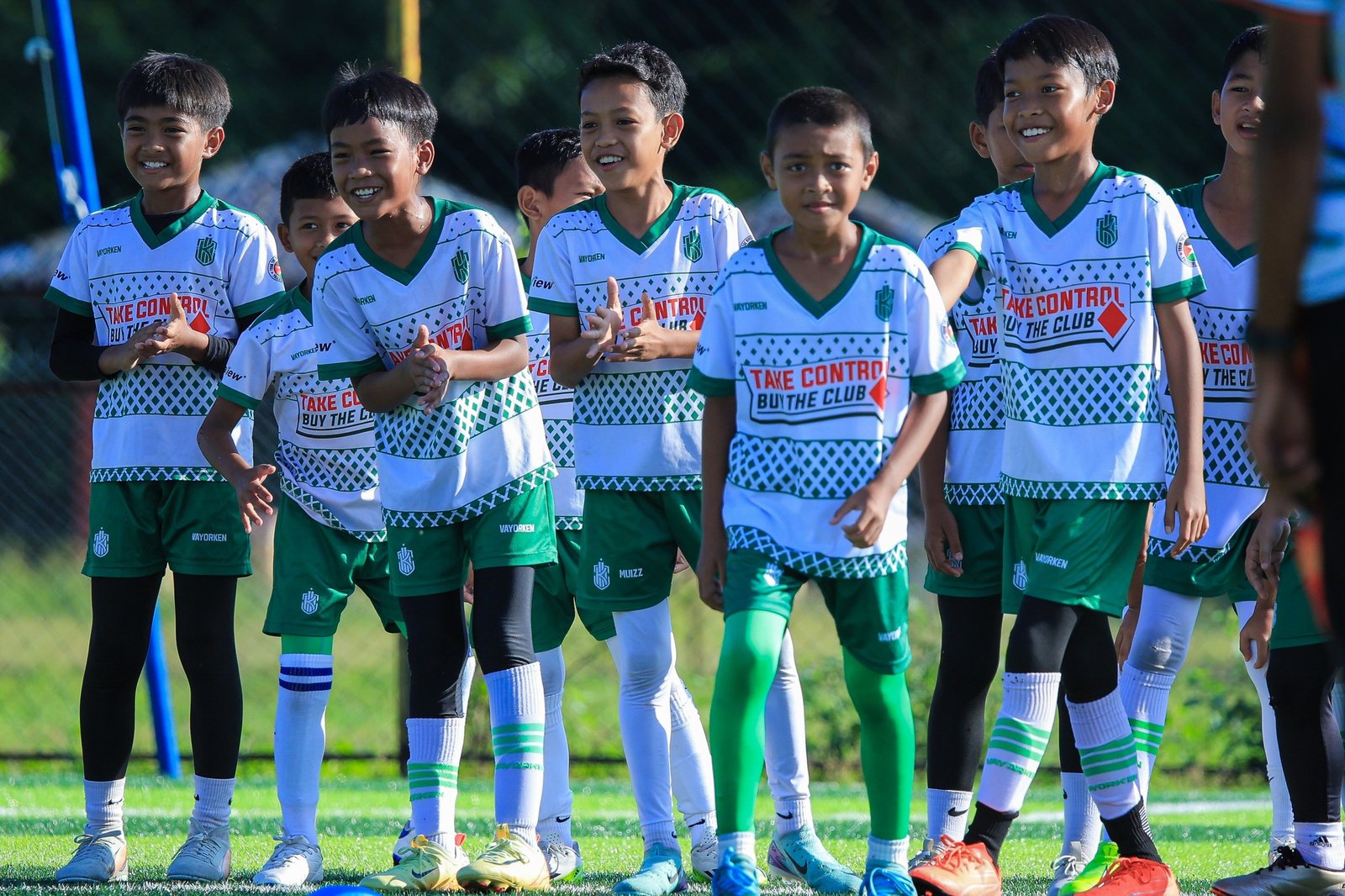
When we talk about change in Malaysian football the problems often feel too large to solve. We see the dominance of state teams rooted in history. We see community clubs pushed to the margins. We see development pathways that break in the middle. We see a league that evolves without addressing its foundation. All of this makes change seem impossible. Yet meaningful change does not require one dramatic action. It requires many small actions taken by many different actors moving in the same direction.
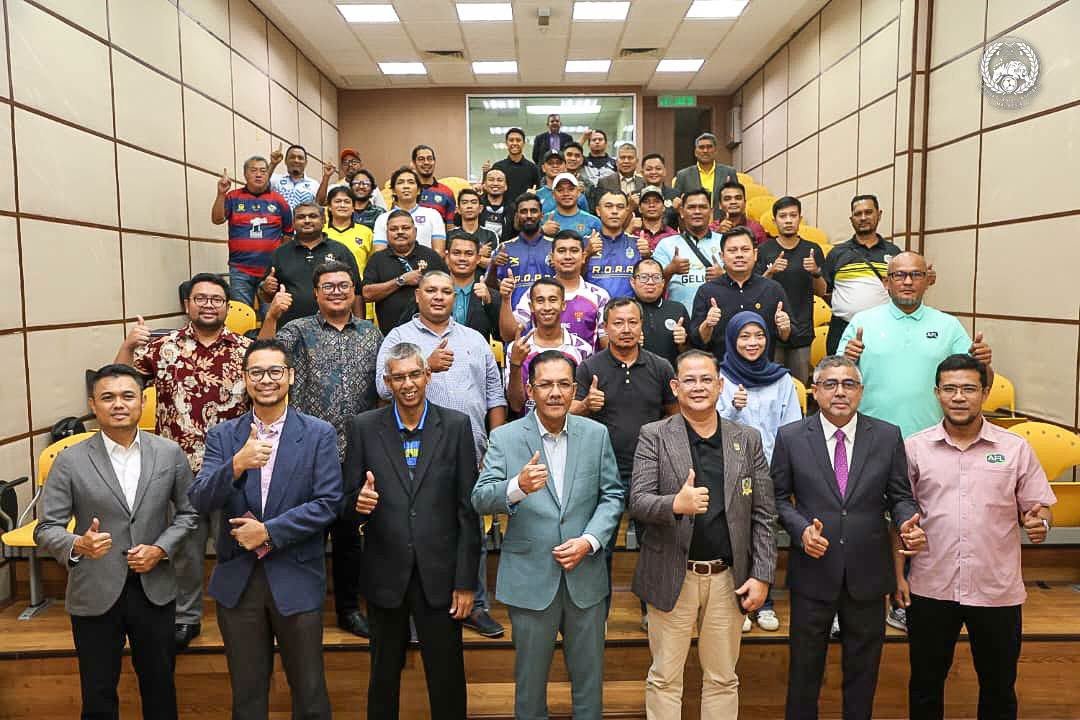
Each stakeholder in the Malaysian football ecosystem carries a different role yet all roles are connected. The federal government has the authority to establish a consistent grassroots policy. Without a clear policy community clubs will continue to operate alone without institutional support. State governments hold the key to facilities. If fields and stadiums remain exclusive assets of state teams then community clubs will never have the space to grow. Access to facilities is not a technical issue. It is a structural one.
FAM holds responsibility for shaping the development pathway. If this pathway remains unclear talent will continue to disappear before reaching senior level. MFL determines how the league evolves. If the league does not open space for more clubs the ecosystem will remain closed. State teams must see themselves as sporting institutions responsible for long term development rather than short term outcomes. Community clubs must build stable and professional cultures even within limitations.
Supporters also play a role. They create the social pressure that shapes the direction of the game. If supporters judge only short term results clubs will continue to chase quick wins instead of building foundations. If supporters value the process clubs will be more willing to invest in sustainable structures. Change requires social support not just administrative decisions. The culture of expectation influences how clubs behave. When supporters demand stability and development clubs will respond differently than when supporters demand instant success.
Media too has a role. The way stories are told shapes public perception. If media focuses only on state teams the ecosystem becomes narrower. If media highlights community clubs youth development and long term projects the narrative of Malaysian football becomes broader. Visibility influences legitimacy. When only one part of the ecosystem is visible the rest becomes invisible even if it is doing important work.
These roles are not equal but all are essential. The football ecosystem cannot move if only one actor changes. It requires collective movement. It requires the understanding that football does not belong to one institution. It belongs to the community. It belongs to society. It belongs to the next generation. If every actor plays their part even in small ways change will happen. If everyone waits for someone else to act the structure will remain exactly as it is.
Structural change is not a single event. It is a long process shaped by habits decisions and shared responsibility. It begins when each stakeholder recognises their influence. It grows when these influences align. It becomes real when the ecosystem moves together rather than in isolation.
In the final episode we will explore how all these efforts only matter if we share a common vision for the future of Malaysian football and why that future must be built not awaited.