This season, a club built on the spirit of its supporters will compete in Liga Super, with Kela...

Here is a particular kind of relief that doesn’t make the headlines.
It’s the event organiser who has been sitting on a live screening concept since January, with a spreadsheet half-done and a venue shortlisted. Still, it couldn’t pull the trigger because no one knew whether the World Cup would even be on television here. It’s the brand manager who wanted to build a campaign around football’s biggest stage, but couldn’t justify the spend without a legitimate platform confirmed. It’s the community programme coordinator who dreamed of a neighbourhood viewing night at the community hall, but didn’t want to do it through a dodgy stream on a laptop propped against a wall.
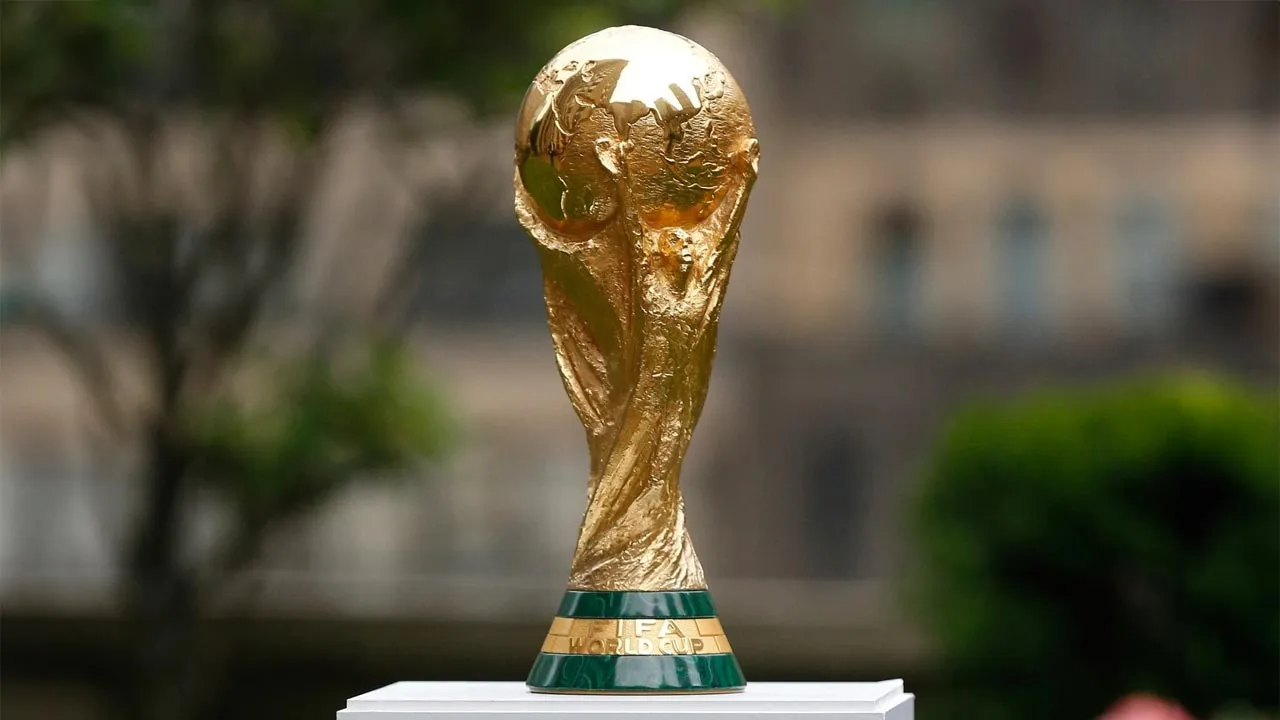
With RTM and Unifi TV officially confirmed as Malaysia’s broadcasters for the 2026 FIFA World Cup, that relief is now real. And it matters more than the announcement itself might suggest.
Brands can now plan. Community spaces can now programme. Organisers can now commit. There is an entire ecosystem of people who needed this clarity to move — and they have it now.
Yes, the government allocated RM24 million for this. That number will attract debate, and fair enough — public funds deserve honest scrutiny. But let’s also be clear about what this announcement actually unlocks beyond the balance sheet. Small businesses can now build promotions around match nights without legal anxiety. Organisations and community groups can plan public screenings without fear of enforcement. Media agencies can activate campaigns that have been parked in ‘pending’ folders for months. The ecosystem around a major sporting event is vast, and it has been holding its breath.
The economics are real. But so is something harder to put in a press release: the human experience of watching football together.
We live in a heavy world. Globally, locally, personally — the accumulated weight of the past few years has not fully lifted. Cost of living pressures. Political noise. The ambient anxiety of doom-scrolling through a world that seems to lurch from one crisis to the next. The World Cup won’t fix any of that. It would be naive to suggest otherwise. But it has always been one of the rare moments in modern life where strangers become temporary family, where the usual divides — of language, of neighbourhood, of background — become briefly irrelevant in the shared language of a goal.
Think about what that actually looks like in Malaysia. The mamak at early hours, every table full, everyone watching the same screen. The family group chat, which has been silent for weeks, suddenly erupts. The uncle who materialises from nowhere with strong opinions about the goalkeeper’s positioning. The child is watching their first World Cup, not yet understanding all the rules, but understanding completely that something important and beautiful is happening in that room.
These are not small things. These are the textures of a life lived with others — and a free-to-air World Cup means more Malaysians get to share them.
There is genuine well-being value in shared anticipation. In having something to look forward to that isn’t about productivity or obligations. In the ritual of gathering — whether that’s a family living room in Penang, a community hall in Kuching, a kopitiam in Ipoh, or a padang in Shah Alam with a projector screen and plastic chairs.
For brands and businesses, this is also a legitimate commercial window — and one with real positive ripple effects. Live screening events drive footfall. Activations create jobs, even temporarily. Campaigns that connect with genuine cultural moments tend to do so with greater authenticity than those that are manufactured. The small food business is doing a World Cup promotion. The sports brand is finally able to run the campaign it planned. The radio station has a proper broadcast deal to build content around. These are not cynical outcomes. They are how a major sporting event, done right, creates economic energy at multiple levels.
The World Cup will not solve the world’s problems. It will not paper over conflicts, erase inequality, or make anything difficult suddenly easy. We should hold onto that clear-eyed understanding even as we enjoy it. But for a month, it will give millions of Malaysians — of all backgrounds, all ages, all walks of life — something to share. A reason to gather. A conversation that crosses the usual lines.
That’s worth something. And now, at least, it’s confirmed.