I have a theory about modern life. It is that we are all being slowly, deliberately, and systematica...

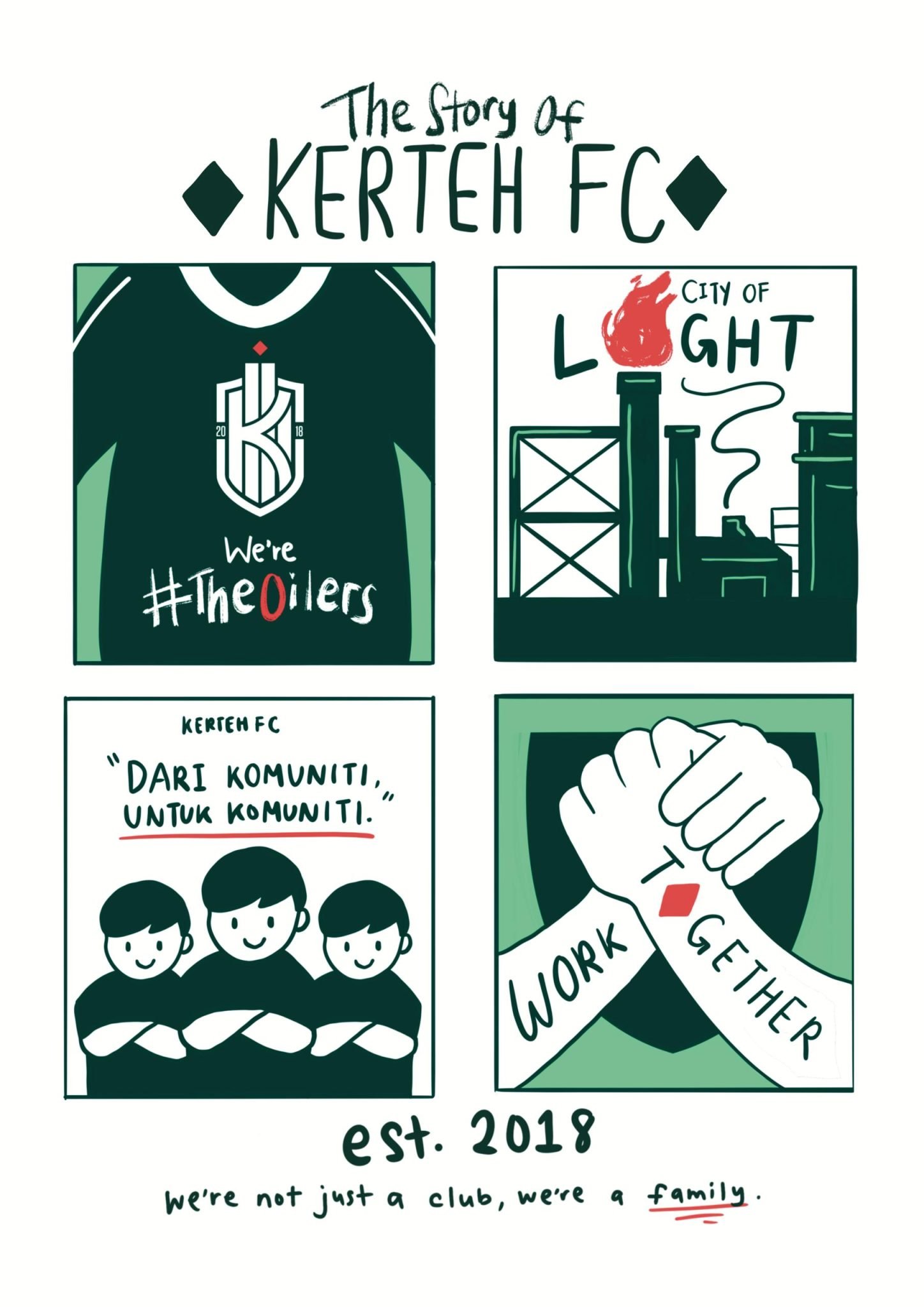
In every country where football grows with stability one pattern always appears. The community becomes the backbone of the club. They are not only supporters who sit in the stands. They are part of the structure that keeps the club alive. They participate, they share responsibility and they own a piece of the journey. This is where football becomes more than a sport. It becomes a living social and economic ecosystem.
In Malaysia the journey toward this reality is still at an early stage. We are still building awareness, nurturing understanding and introducing the idea that a community is not only a group of supporters but co owners of the future of football. It is not because our society lacks interest. It is because the realities of life shape different priorities. Many are still working to stabilise their families and careers. In such circumstances the idea of giving back to the community often feels distant.
Yet football has a unique strength. It brings people together. It creates a space where differences can be set aside and a shared identity can form. From this space emerges the potential to build a more inclusive ownership structure. A structure that does not rely solely on major investors but on the community that forms the heartbeat of the club.
This is where the cooperative plays an important role.
A cooperative is not about donations. It is not about contributions alone and it is not about quick returns. It is a form of shared ownership that gives every member a place in the club’s journey. Even with a small amount they hold something greater than numbers. They hold a voice, a responsibility and a place in the future structure of local football.
This is ownership through participation. Ownership through involvement rather than wealth. It is not about who contributes the most. It is about who believes that the future of football can be built together. It is not about short term profit. It is about shared values held by the entire community.
In many countries this model has proven its value. Supporter cooperatives have become bridges between clubs and communities ensuring that clubs do not drift away from their roots. They encourage transparency, strengthen governance and build an economic ecosystem that benefits more people from supporters to small businesses to young players who dream of stepping onto the same field one day.
Early steps toward this direction have already begun in several places. Some clubs have handed over the management of official merchandise to supporter cooperatives. Some have given cooperatives the mandate to run football schools and academies. Some are planning to place certain assets under cooperative management in stages. These are not merely transfers of authority. They are transfers of trust.
Before this model can grow fully cooperatives and communities must show commitment. They must prove that the model can be run with discipline, transparency and effectiveness. A cooperative is not just an economic structure. It is a reflection of the club’s future. If it is mature, organised and accepted by the community then full ownership becomes a realistic possibility.
We must understand that a football cooperative is not like a typical investment. It does not promise quick returns. It does not promise profit in a short time. Instead it builds an ecosystem that creates long term value. An ecosystem that connects supporters, communities, small businesses, sports education and talent development. It builds a space where football becomes a catalyst for social and economic life.
In this context every participation no matter how small is meaningful. It is a sign that someone believes in a more inclusive future for football. It is a sign that someone chooses to be part of the structure rather than a spectator. It is a sign that someone understands that strong football cannot be built by one party alone.
We appreciate every supporter who fills the stadium with their voice. We appreciate every sponsor who believes in the club’s journey. Yet football becomes stronger when some of them also take the next step by becoming part of the structure that builds the foundation rather than cheering from the outside.
We do not need thousands of passive members. We need a group of people who truly believe that they can shape the future of football through participation and collective action. A group that understands that ownership is not only about shares but about responsibility. A group that sees football not only as entertainment but as a space to build a stronger community.
This edition invites us to see football from a wider perspective. It is not only about the team. It is not only about match results. It is about how a community can build something greater than itself. How football can become a catalyst for social change. How shared ownership can create a future that is more stable, more fair and more rooted.
In the next edition we will explore how education and professionalism form the foundation of a sustainable football culture and how cooperatives can serve as learning centres within the modern football ecosystem.