One hundred and fifteen charges were laid. One hundred and fourteen were upheld. I have spent a deca...

Football was never born from perfect pitches. It did not begin with floodlights, digital scoreboards or grand stadiums. It began with a group of people who believed that something small could become something meaningful if built together. It began with the hands that picked up balls rolling into drains, with the voices calling children home as the sun set, with the spirit that refused to fade even when the rain fell without mercy.
In every community, supporters are the heartbeat of a club. They are present not because of glamour but because of a sense of belonging. They nurture the spirit each time children step onto the field, they ask about match results even when they cannot attend, and they follow the club’s journey not for victories but for a connection that words cannot fully describe. They are witnesses to every small step that builds a club, steps often unseen by the outside world.
Yet the journey to build a community-owned club is not easy. Many wait for big achievements before wanting to be involved. Some wait for the club to climb leagues, some wait for high-end facilities, some wait for proof before believing. The truth is that success will only come when the community chooses to be part of the journey now, not later. A community club is not built by spectators who wait. It is built by those who step forward and say, “I want to be part of this.”
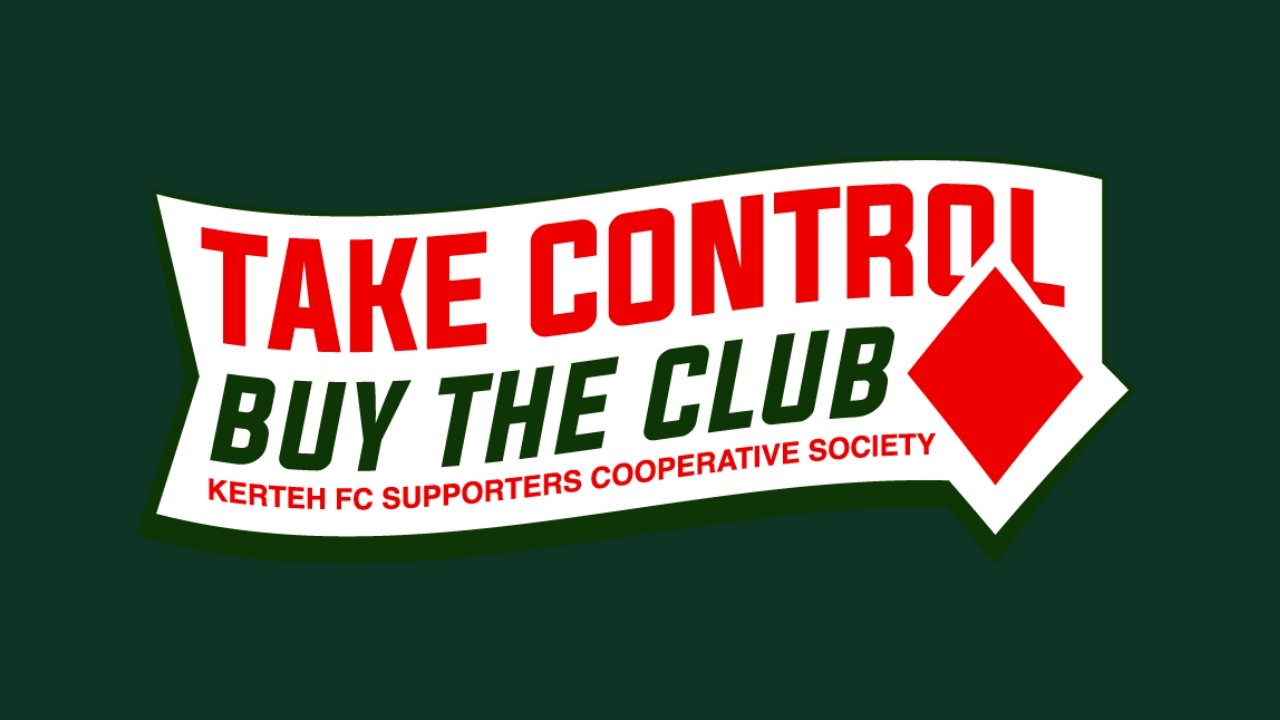
This is where the cooperative plays a crucial role. It is not merely an organisation or an economic structure. It is a symbol of trust that football can be managed with values, with honesty and with hands that genuinely care. It is a space where supporters become more than spectators. They become guardians, protectors and holders of the club’s future.
The cooperative transforms the relationship between the club and the community. It turns “them” into “us.” It turns passive supporters into active owners. It turns football from entertainment into shared responsibility. And in that process, it builds something stronger than victory. It builds identity.
This transition is not only about structure but about culture. It requires a shift in mindset. It requires the community to see themselves not as customers but as custodians. It requires the courage to believe that a club can be owned by many, not by a few. It requires the willingness to accept that ownership comes with responsibility, the responsibility to protect, build and uphold the values that form the foundation of the club.
Imagine one day when every decision about the club’s direction is made together. When supporters no longer ask, “Why did the club do this?” but instead say, “This is the decision we chose.” When every success is felt not as “they won” but “we won.” That is the true meaning of community football. That is the meaning of shared ownership. And that is the direction many football communities around the world are moving toward.
This journey is long. It will not happen in one season or one meeting, but the first step has already been taken. Today, community football is no longer about watching from outside the fence. It is about building something we can all call our own. It is about understanding that ownership does not come after success but before success. It is about believing that change begins when the community chooses to be involved, not when they wait.
And this journey is not only about the club. It is about people. It is about how a community learns to trust one another. It is about how supporters learn to become leaders. It is about how parents, coaches, small business owners and young people discover that they have a place in the football ecosystem. It is about how a small club can become a symbol of hope, not because of trophies but because it is built by sincere hands.
This edition invites us to see football not only as a game but as a space to build a shared future. From supporters to owners. This is the journey that is beginning. A journey that requires courage, patience and belief that something small can become something meaningful when built with heart.
In Edition 8, we close this series with a reflection on what it truly means to be a football community not only one that supports from the outside but one that drives change from within. Because in the end, football is not about who stands on the pitch but who chooses to walk together throughout the journey.