While the world’s cameras were pointed at MetLife Stadium for the FIFA World Cup 2026, New Yor...

The structure of any football league is only as strong as the financial stability of the clubs that participate in it. In Malaysia, community‑based clubs form the largest segment of the football ecosystem, yet they operate under financial conditions that are fundamentally different from those of professional teams. Understanding these conditions is essential before any meaningful reform can be proposed. This episode examines the financial realities faced by community clubs, the limitations of their revenue models and the structural pressures imposed by the current league system.
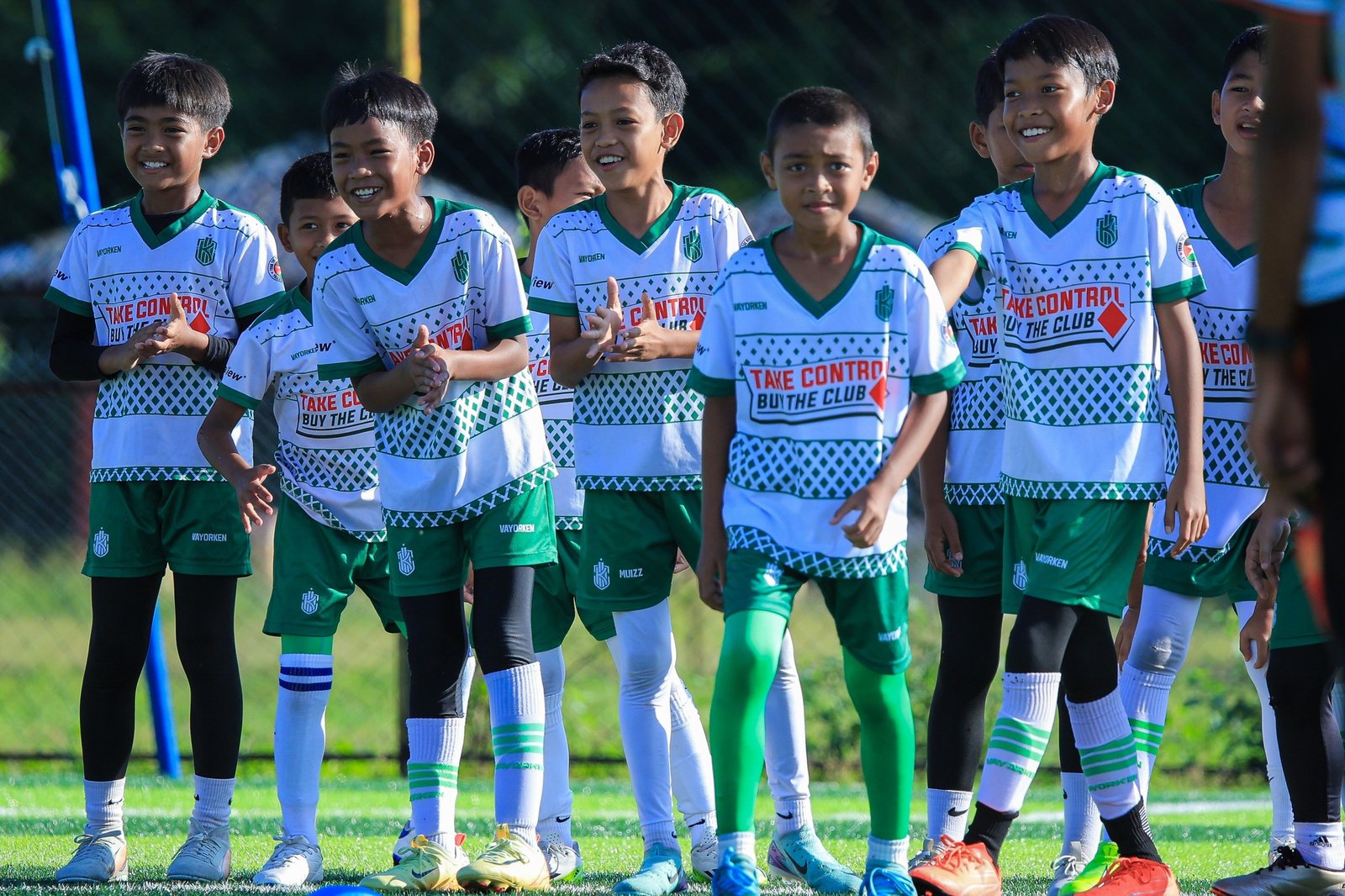
Community football clubs in Malaysia are typically founded on passion rather than capital. They emerge from local initiatives, driven by volunteers, small committees or local leaders who wish to provide opportunities for youth and contribute to the sporting culture of their communities. Unlike professional clubs, they do not have access to broadcast revenue, commercial licensing or institutional sponsorships. Their financial ecosystem is narrow, fragile and highly dependent on external goodwill. This makes them particularly vulnerable when placed in a league structure that demands high operational expenditure.
The estimated minimum cost of competing in the A1 Semi Pro League is approximately two million ringgit per season. This figure is not speculative, it reflects the cumulative cost of travel across multiple states, accommodation for players and staff, allowances, medical support, training facilities, matchday logistics and equipment maintenance. For a professional club with diversified revenue streams, such a figure may be manageable. For a community club, it represents a financial burden that is disproportionate to its capacity.
The core issue is not merely the size of the cost but the nature of the revenue available to community clubs. Their income is irregular and unpredictable. Small sponsorships may be secured for one season but not the next. Community contributions fluctuate based on local economic conditions. Ticket sales are modest and inconsistent, especially when matches are held in venues with limited seating or when travel distances discourage attendance. Merchandise sales are minimal because community clubs do not possess strong brand equity. In short, the financial model of a community club is inherently unstable.
This instability means that traditional financial metrics used in professional football are not applicable. A professional club may plan its budget based on projected revenue but a community club cannot rely on projections that have no historical consistency. Instead, the more relevant measure is the concept of financial runway. Runway refers to the number of years a club can continue operating based on its existing reserves, assuming no significant increase in income. It is a concept widely used in non‑profit organisations and early‑stage enterprises, where revenue is uncertain and operational continuity depends on prudent financial planning.
If a community club possesses ten million ringgit in reserves and incurs annual operating costs of two million ringgit, it effectively has a five‑year runway. Within that period, the club must develop new revenue sources, strengthen its organisational structure and stabilise its operations. However, most community clubs in Malaysia do not begin with such reserves. Many enter the league with minimal capital, relying on seasonal fundraising efforts or short‑term sponsorships. This creates a situation where clubs are forced to operate year‑to‑year, without the financial buffer necessary to absorb unexpected costs or revenue shortfalls.
The challenge becomes even more pronounced when the league structure imposes expectations that resemble those of a professional competition. Nationwide travel, accommodation requirements, medical standards and facility expectations create a cost profile similar to that of a professional league. Yet the league does not provide the commercial ecosystem that typically accompanies professional football. There is no broadcast revenue, no centralised sponsorship distribution and no financial safety net for clubs that struggle. The result is a structural mismatch community clubs are expected to meet professional‑level costs without access to professional‑level income.
This mismatch is further exacerbated by the absence of a fixed competition calendar. Without a predictable schedule, clubs cannot plan their budgets, secure sponsorships in advance or negotiate player contracts with confidence. The uncertainty surrounding league start dates forces clubs into reactive financial planning, which increases the risk of overspending or underestimating costs. A stable calendar is not merely an administrative convenience it is a financial necessity.
The financial pressures faced by community clubs also have broader implications for player development and organisational growth. When a club’s primary concern is survival, long‑term investments such as youth academies, coaching education and infrastructure development become secondary. This undermines the very purpose of community football, which is to nurture talent and provide sustainable pathways for players and coaches. A league structure that places excessive financial strain on clubs inadvertently weakens the developmental foundation of the sport.
The data from 2019 to 2021 reinforces this reality. More than fifteen clubs ceased operations within three seasons, and only two clubs achieved promotion to the Super League through merit. These outcomes are not the result of poor management or lack of ambition. They are the predictable consequences of a system that demands more than what community clubs can realistically provide.
The financial realities outlined in this column form the basis for understanding why structural reform is necessary. A league that aspires to develop community football must be aligned with the financial capacity of the clubs it seeks to support. Without such alignment, the cycle of club emergence and disappearance will continue, and the long‑term development of Malaysian football will remain compromised.