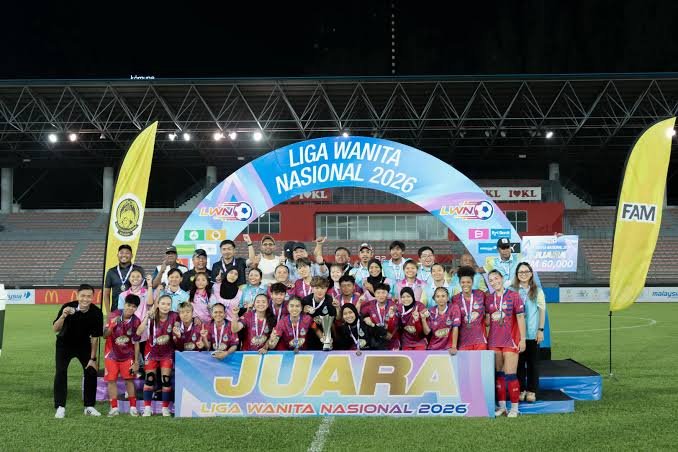
The 2026 Liga Wanita Nasional (LWN) season has officially come to an end two weeks ago, with Borneo ...

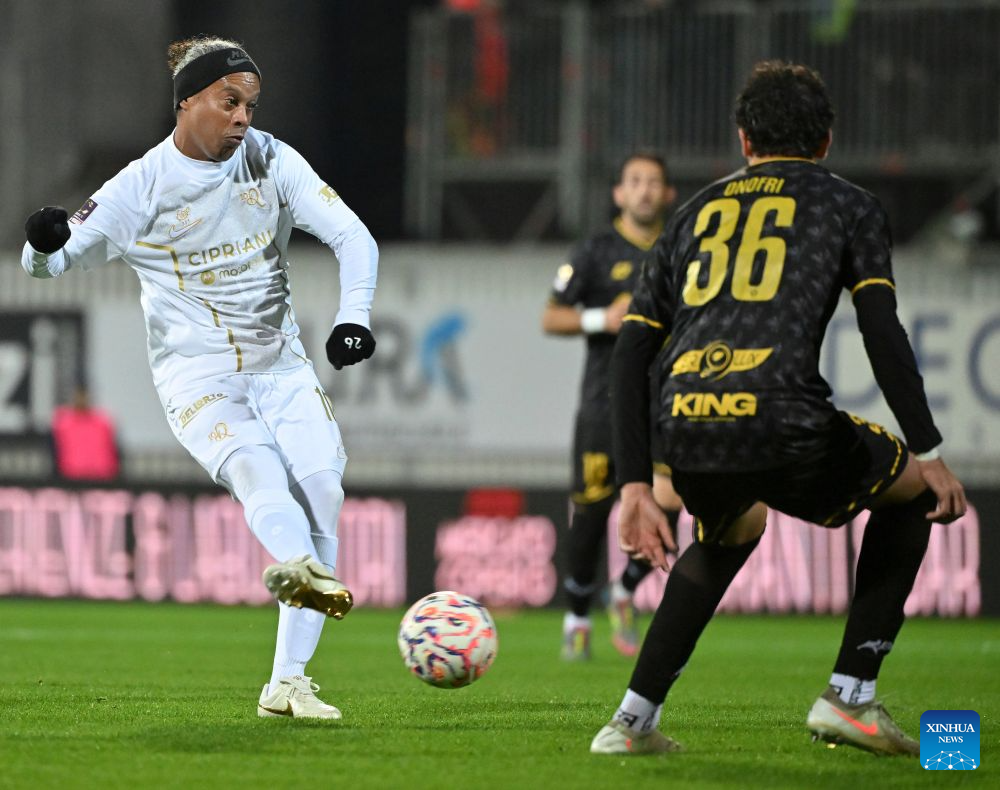
For the past twenty years, modern football has been systematically dismantled by men in beige suits who think a thrilling afternoon involves a forty-page PowerPoint presentation about “synergistic brand alignment.” They have turned the beautiful game into an accountancy seminar, drained the joy out of the terraces, and convinced themselves that nobody can kick a ball properly once they pass their thirty-second birthday.
And then, gloriously, Ronaldinho decided to ruin their spreadsheets. At the tender age of forty-six, the buck-toothed magician waltzed out of retirement to become a player-investor at Italian third-tier side Ravenna. Overnight, a sleepy provincial club became global news. Stadiums filled up, television executives scrambled for broadcast rights, and grown men wept openly in the stands. It was the single greatest triumph of romantic lunacy over corporate dullness since someone decided to build the Sydney Opera House out of giant concrete seashells.
Which brings me to the east coast of Peninsular Malaysia, and a town mostly famous for gigantic petrochemical complexes and extraordinarily humid afternoons: Kerteh.
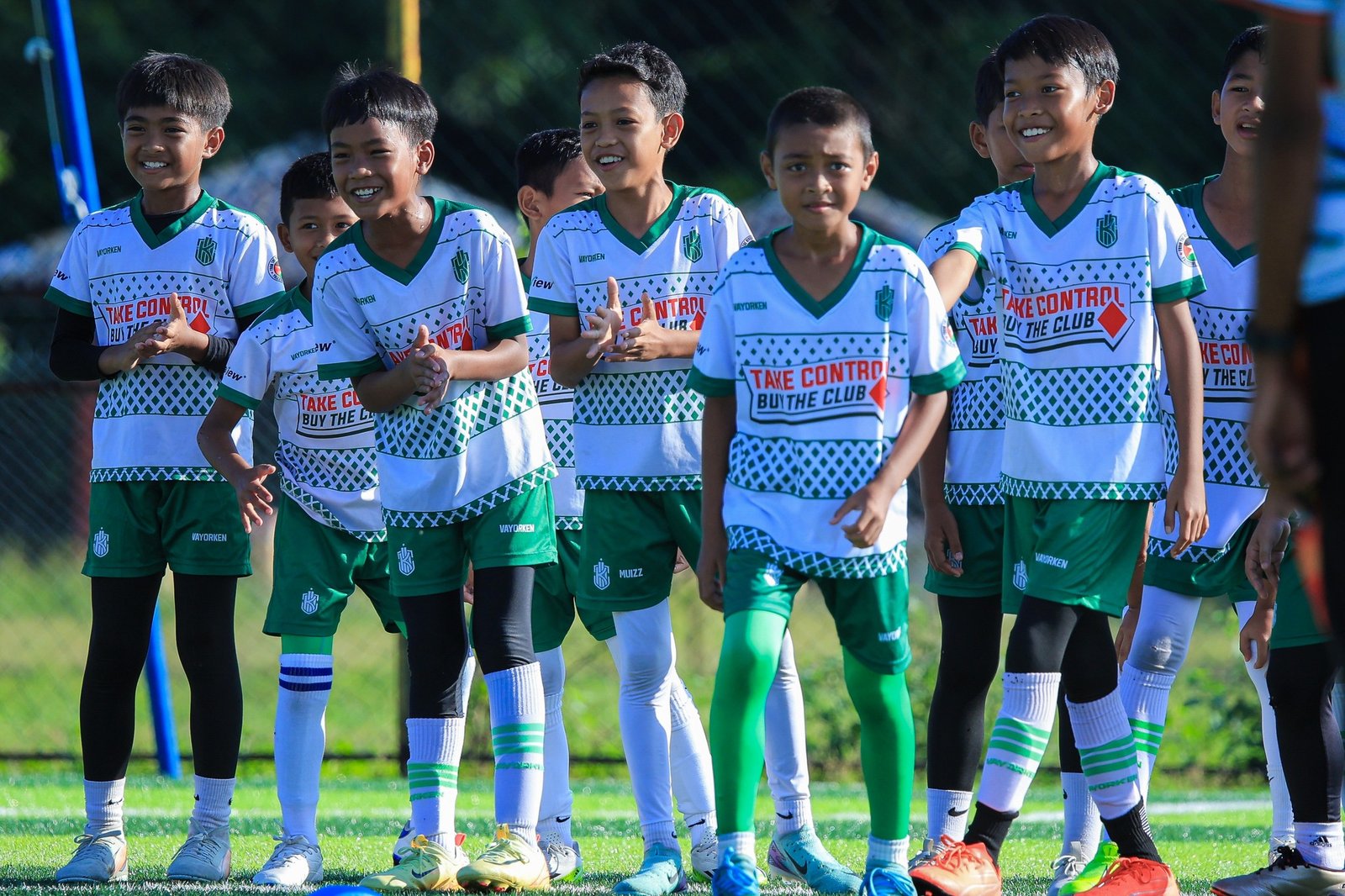
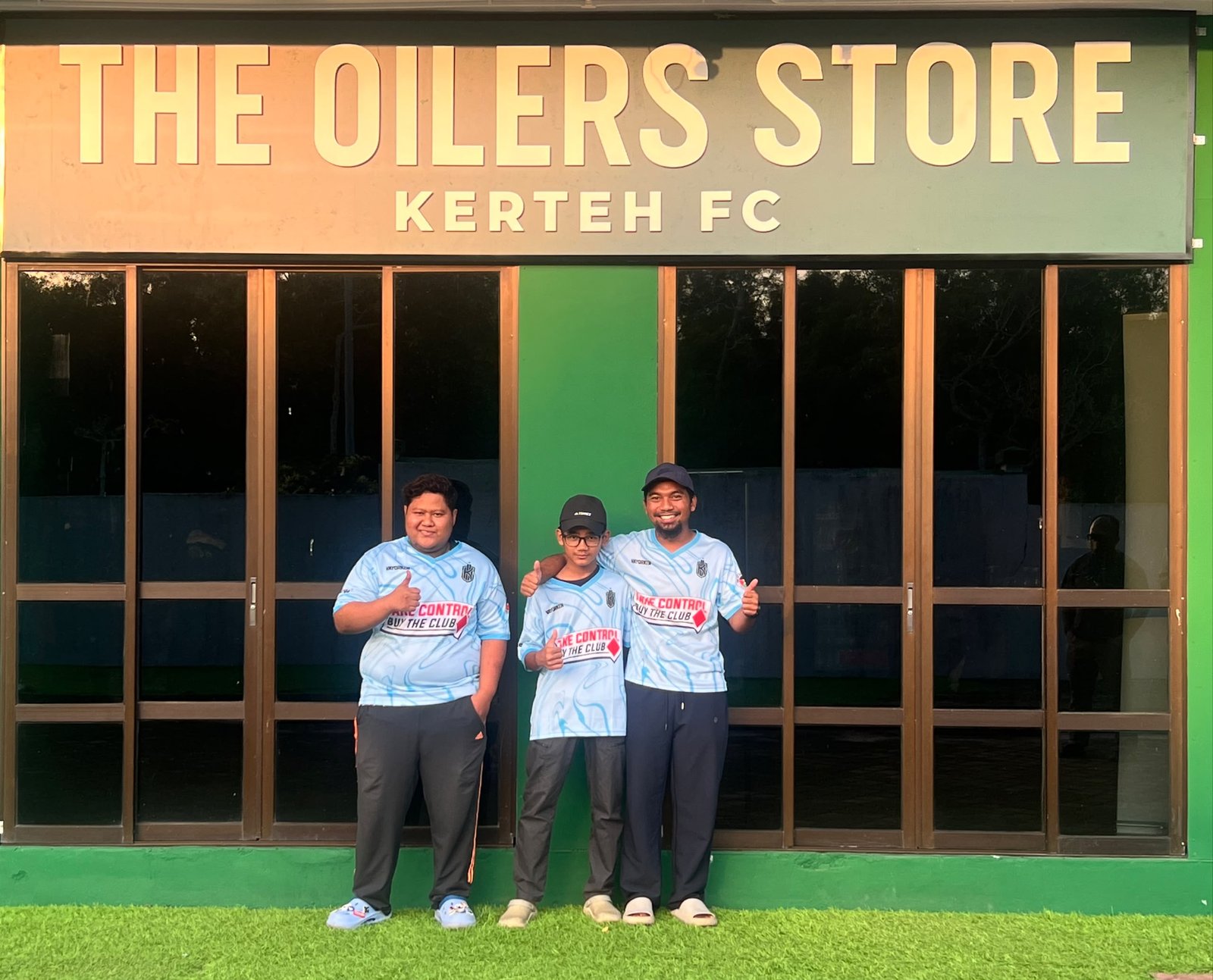
Kerteh FC—known affectionately as The Oilers—is already an anomaly in Malaysian football. While half the clubs in the country lurch from one unpaid wage scandal to the next like drunken sailors in a hurricane, Kerteh actually runs itself like a proper business. They generate their own revenue, run grassroots academies, sell rice and merchandise, and aren’t begging local politicians for handouts every five minutes. Better still, they already have a cult hero on their books in the boardroom: Issey Nakajima-Farran.
Yes, that Issey. The Canadian-Japanese winger who terrorized Malaysian Super League defenses for Terengganu FC, painted oil canvases in his spare time, and currently lives on a yacht in Barcelona while playing foot-volley. He has already bought into Kerteh FC’s supporters’ cooperative. Now, I am here to tell you that buying shares isn’t enough. Issey needs to pack his shin pads, abandon his Spanish mooring, and make a full-blooded comeback as a player-investor in the Malaysia A3 Community League.
First, consider the commercial earthquake this would trigger. Lower-league football in Southeast Asia is normally watched by four relatives, a stray monitor lizard, and a man selling lukewarm bottled water. Put Issey Nakajima-Farran on the teamsheet for the Kemaman Derby against Real Chukai FC, and the entire ecosystem changes before kick-off. Sponsors who previously wouldn’t answer an email would suddenly be elbowing each other out of the way to get their logos onto the sleeves. Green-and-white jerseys would sell faster than hot keropok lekor at a night market. Streaming numbers would explode from Kuala Lumpur to Tokyo to Toronto. You simply cannot buy that kind of publicity with a marketing agency—mostly because marketing agencies are staffed entirely by people who think “engagement” is a metric rather than something you do with a diamond ring.
Second, there is the magnificent, terrifying beauty of having actual skin in the game. In conventional football, owners sit in air-conditioned glass boxes wondering why their money is evaporating, while mercenary players couldn’t care less if the club goes bankrupt on Wednesday so long as their Friday night dinner is paid for. When the bloke on the left wing actually owns a piece of the club, that dynamic vanishes. A player-investor tracks back in the eighty-ninth minute because if the team loses, his own investment loses value. He ensures the post-match ice baths are working, the merchandise is stocked, and the youth setup isn’t wasting money on nonsense. It is capitalism with shin guards, and it is glorious.
Finally, think of what happens on the pitch. Young Malaysian footballers do not need another lecture from a clipboard-wielding bureaucrat explaining inverted wing-backs. They need a forty-two-year-old veteran who has survived professional dressing rooms across eight countries—from the freezing winters of Denmark to the sun-baked pitches of Australia and the monsoon deluges of Terengganu—standing five yards away and showing them how to actually weight a pass. Kerteh FC already sends its best under-eighteen prospects to Spain for training stints. Having a well-connected, multilingual globetrotter mentoring those teenagers in training every Tuesday and Thursday isn’t just a gimmick; it is a university education in how to become a real professional.
Naturally, the sensible people will scoff. They will mutter about hamstring injuries, match fitness, and the dignity of retiring gracefully. Ignore them. Sensible people never built pyramids, landed on the moon, or scored thirty-yard volleys in front of a roaring Terengganu crowd.
Football is supposed to be theater. It is supposed to make the hair on the back of your neck stand up. Issey, leave the yacht in Barcelona, lace up your boots, and come back to Kerteh. It would be, without a shadow of a doubt, the greatest comeback in the world.