I have a theory about modern life. It is that we are all being slowly, deliberately, and systematica...

There is a particular feeling when someone finally sees what you have been doing — but only after someone else did it first, somewhere else, with more money and a better camera.
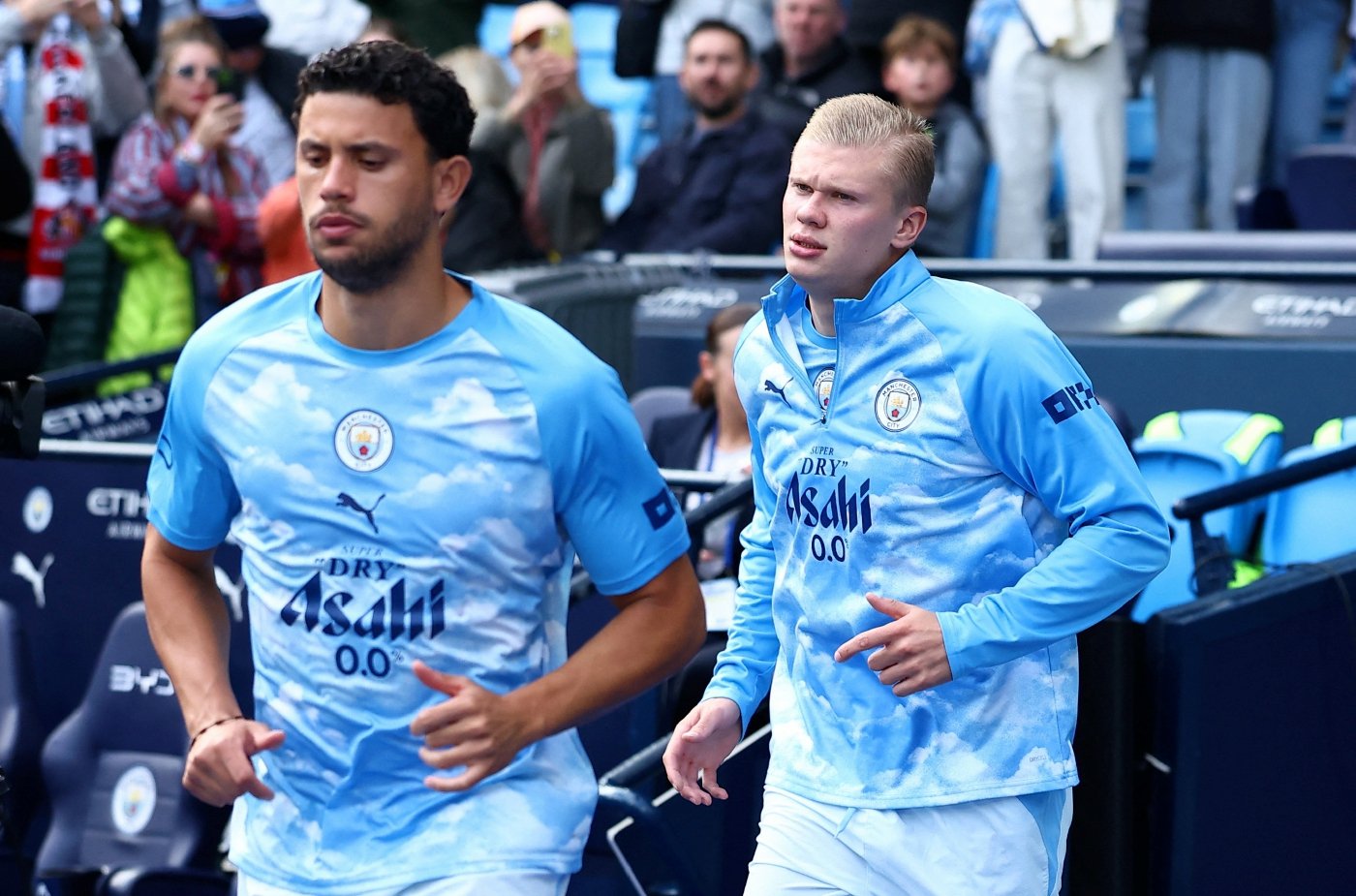
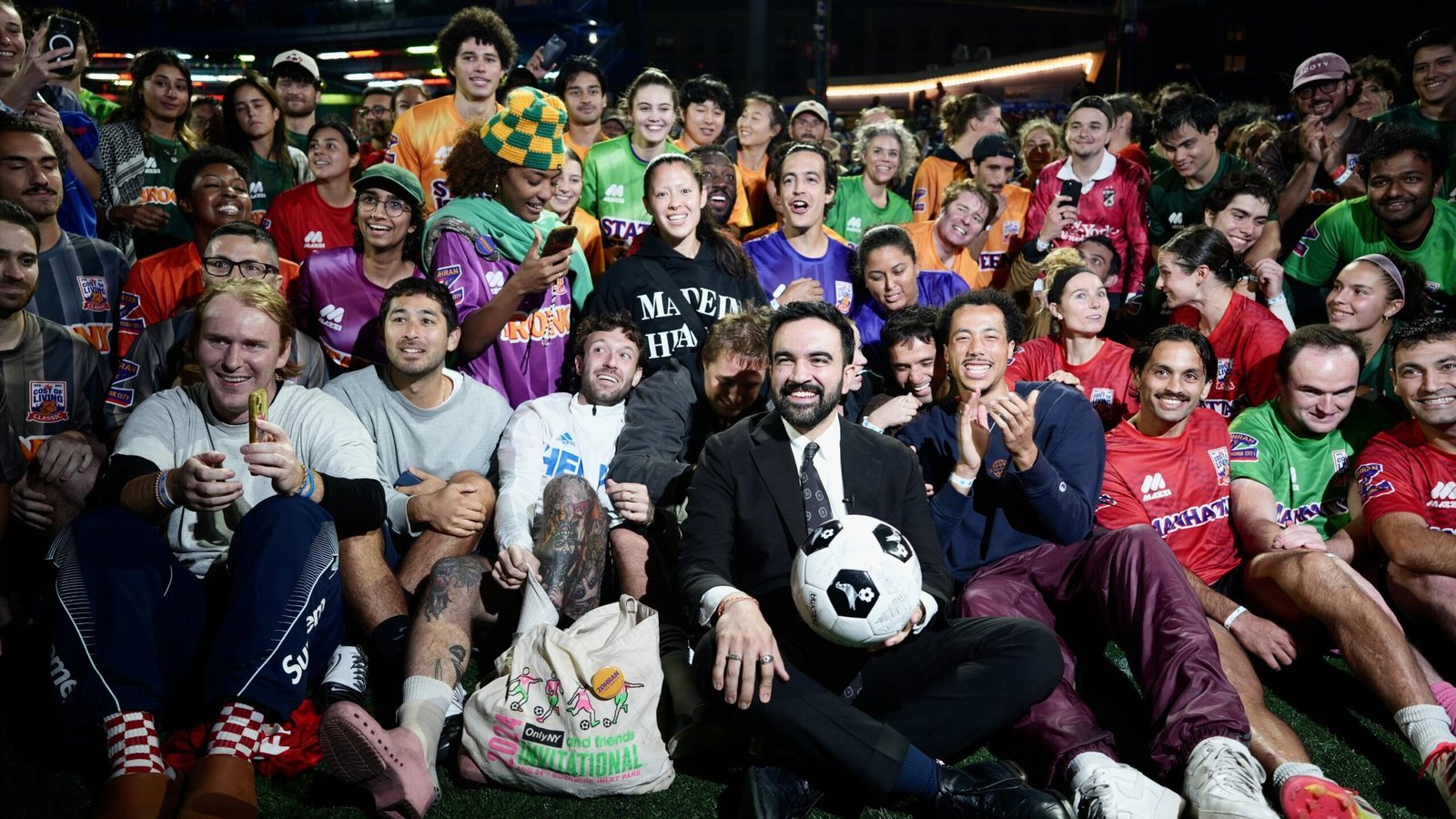
Last week, New York City Mayor Zohran Mamdani closed a street in the Bronx, put down some cones, played football with school kids, and called it Soccer Streets. It is a good programme. Genuinely. Car-free blocks turned into pitches, communities gathering, kids playing ahead of the World Cup coming to the city this summer. And then my phone lit up.
“Eh, can you do something like this?”
I sat with that message for a while before I replied. Because the honest answer is: yes. We can. We have been. The harder question — the one I actually want to write about — is why it took a mayor in the Bronx for you to think of us.
We Already Have the Communities
Let me show you what already exists here.
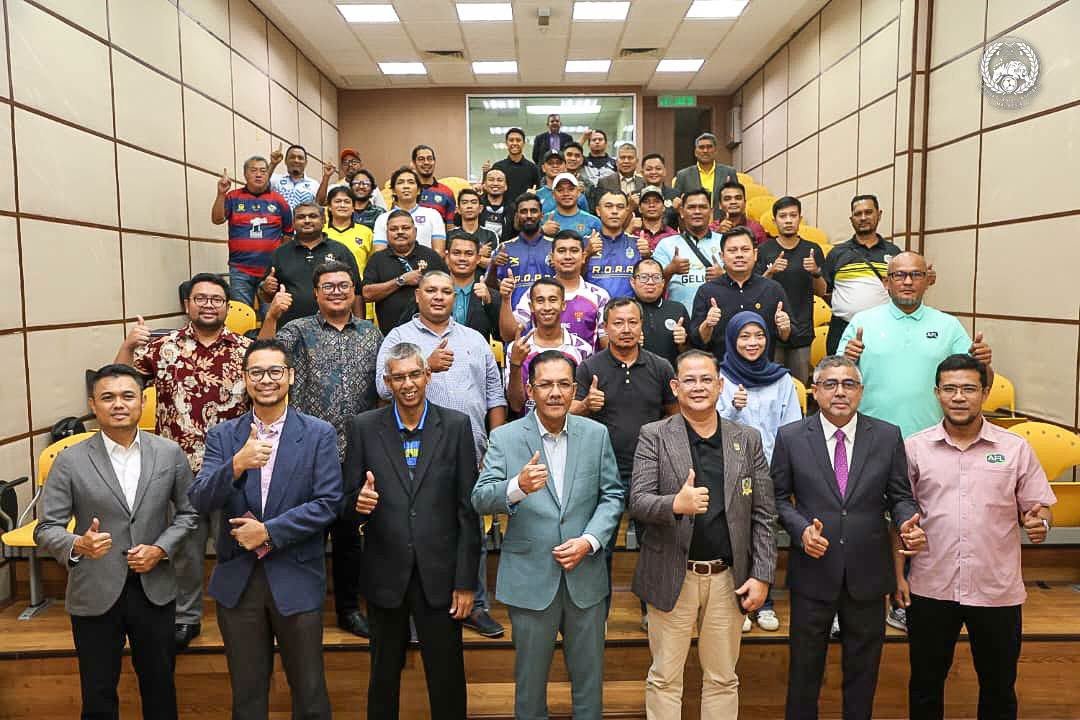
On weekends across the Klang Valley, in addition to padangbolasepak.com, there was the Super Bobai Cup, a community football program where the point is never about talent identification or league tables. It was about the neighbourhood showing up. The Football Association of Selangor has been working at the grassroots level, building pathways for players and communities that never make the headlines. Jom Bola has been doing something quietly radical — removing every barrier between a person and a game. No trials. No fees. No gatekeeping. Just come and play.
And it does not stop at football. The flag football community has been building its own infrastructure from scratch, finding fields, players, and funding, doing so with the kind of determination that does not wait for official recognition. The run clubs — and there are dozens of them across this city and beyond — have turned roads and parks into weekly rituals for thousands of Malaysians. These are not casual joggers. These are communities. People who show up for each other, week after week, rain or shine, because the club became something more than exercise.
This coalition is not a proposal. It is not a pilot. It is already running. It has been running. Most of it on passion, goodwill, and whatever budget was left after everything else ran out.
The Legitimacy Gap
Here is something worth sitting with.
A city with institutional backing, a World Cup mandate, a nonprofit partner, and a corporate sponsor executes a community sport activation. It gets covered. It gets shared. It gets sent to people like me with the message: Can you do this?
Meanwhile, the communities I just described have been doing versions of this for years. Without the mayoral order closing the street. Without the press secretary filming it. Without a brand writing the cheque.
So why does one feel like news and the other feel like background?
It is not about effort. It is not about quality. It is about packaging, and about the geography of credibility. We have been conditioned — all of us, including those of us doing the work — to look outward for validation before we look inward for proof. When something happens in New York or London, it becomes a case study. When it happens in Cheras or Shah Alam or Klang, it becomes a nice story, if it gets told at all.
This is the legitimacy gap. And it costs us more than we realise — not just in recognition, but in resources, in institutional support, in the simple act of people believing that what is being built here is worth backing.
We Are Not Behind. We Are Just Unannounced.
So let me be direct about something. We are not behind. We are just unannounced.
The ideas are not new. The communities are not nascent. The proof-of-concept has been running every Saturday morning, every Sunday evening, and every weekday training session that nobody wrote a press release about. What has been missing is not the work. What has been missing is the willingness of institutions — corporations, government bodies, foundations, sports organisations — to treat grassroots sport as serious infrastructure rather than a feel-good footnote.
And here is where I want to push back on the instinct to simply replicate what New York did.
Following a trend means you arrive second. It means you spend your energy adapting someone else’s idea to your context instead of building from your context outward. The communities doing this work in Malaysia are not a Southeast Asian version of Soccer Streets waiting to happen. They are something original. They have their own logic, their own culture, their own way of building belonging that does not need a World Cup to justify it.
We should not want to follow this trend. We should want to set the next one.
A Word to the Decision-Makers
If you are reading this and you work in a corporation with a community investment budget, I want to speak to you directly.
You have probably sat in a meeting where someone said, “We should do something around sport and community.” And then someone pulled up a reference from overseas. A case study from Europe. A programme from the US. And the room nodded, because it felt safer to point to precedent than to back something homegrown without a guarantee.
I understand that instinct. I also want to name it for what it is: a failure of imagination dressed up as due diligence.
The communities are here. The people who have been doing this work — without the budget, without the recognition, without the institutional support — they have already proven it works. What they have not had is a room full of decision-makers willing to say: we are going to back this properly, not as a one-cycle activation, not as a World Cup stunt, but as a sustained commitment to what sport actually does for communities.
That is the conversation I am inviting. Not a pitch. Not a proposal tied to a tournament calendar. A real conversation about what it looks like to build something that lasts.
Somewhere across Malaysia, right now, there is a group of people setting up cones on a car park, a field, a patch of concrete — because they decided the game was worth playing before anyone decided it was worth funding.
They have been doing it long before New York closed a street and called it news. The question is not whether we can do this. The question is whether you will show up before the next popular leader makes it go viral.