I have a theory about modern life. It is that we are all being slowly, deliberately, and systematica...

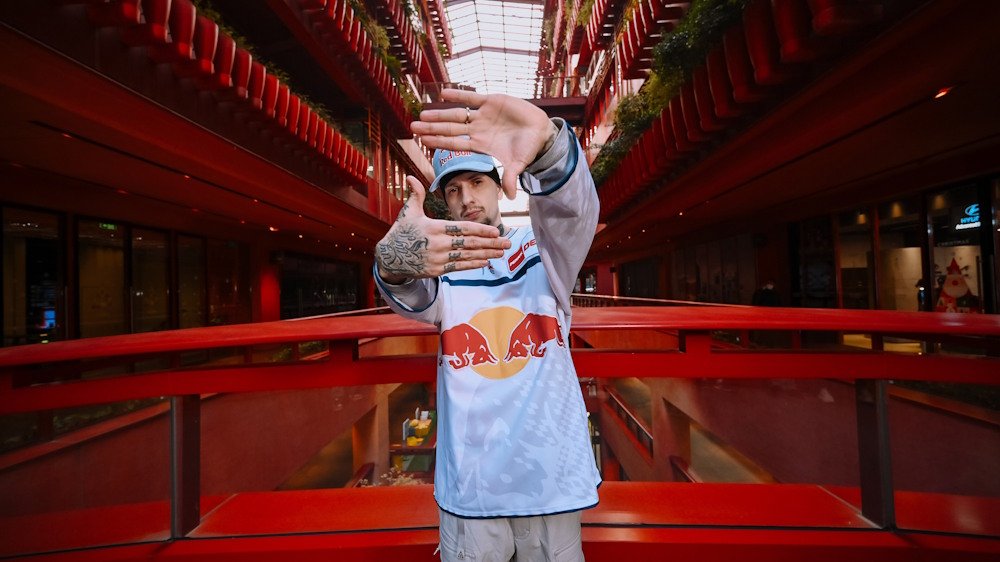
Let’s be honest: if you left the future of Malaysian youth culture to the marble-clad ministries and the “suits” in high-rise offices, the most radical thing we’d see in 2026 would be a choreographed silat performance at a shopping mall opening, sponsored by a local biscuit brand and approved by three different sub-committees. While the bigwigs are busy debating the societal optics of street culture over cold karipap and lukewarm tea, the actual talent is out there in the sweltering Kuala Lumpur humidity, turning parking lot concrete into a high-performance laboratory.
Enter Red Bull Dance Your Style 2026. This isn’t just another event for social media scavengers to farm for ephemeral content; it is a loud, bass-heavy autopsy of our failed institutional imagination. While the traditional arts council is stuck in a loop of heritage preservation—effectively taxidermying our culture until it’s stiff enough for a museum glass case—Red Bull has stepped in as the Patron of the Streets. They aren’t just selling caffeine in a slim can; they are providing the infrastructure for a dream that the bureaucracy simply forgot to fund.
For decades, the Malaysian public has been coached to view street dancers as little more than budak-budak lepak with too much time and a questionable taste in oversized hoodies. It’s a classic sovereignty gambit: if the elite cannot categorise or control a movement, they marginalise it. But watch a dancer like Poppin’ C or Waackxxxy for thirty seconds and tell me you aren’t looking at an elite athlete. This isn’t a hobby. This is kinesthetics intelligence of the highest order, requiring cardiovascular endurance that would make a marathon runner weep and the kind of mental fortitude required to execute a flawless freestyle isolation while five hundred people scream in your face. By bringing global titans like The D Soraki and Majid to our shores, Red Bull is treating the dance floor with the same technical rigour as an F1 pit stop. They’ve recognised what the bigwigs missed: that a b-boy from Bukit Bintang has more in common with a Red Bull Racing driver than a casual performer. It’s about the Athlete Mindset—the pursuit of that un-fakeable, high-stakes moment where physics meets art.
The most delicious irony of the Dance Your Style format is its blatant, unapologetic subversion of Malaysian rigidity. In a society where we are taught from birth to wait for expert approval or for a panel of aging judges to tell us what is appropriate or harmonious, Red Bull hands the power directly to the crowd. This is cultural democracy at its most unfiltered. There are no scorecards held by men in ties who haven’t touched the floor since the mid-eighties. There is only the roar of the people. It is a rebellious act against the structured, often stifling stereotype of our region. The crowd-voting system is a meritocracy that actually works—a People’s Choice that carries more weight than any government-sanctioned trophy because it cannot be bought, lobbied, or faked. It aligns perfectly with the brand’s philosophy of empowering the individual to rise not through pedigree or political connection, but through raw, undeniable talent.
Let’s call a spade a spade: the workshops on April 6 and the showcases on April 7 represent a sustainable ecosystem that our local institutions have failed to build. Our forgotten arts have lived in the shadows of malls and underpasses precisely because there was no bridge to the global stage. Red Bull hasn’t just built a bridge; they’ve paved a six-lane highway. The path from a KL dance battle to the Southeast Asia Qualifier in Singapore on April 25, and eventually the World Finals in Zurich, is a clearer, more honest career trajectory than most Malaysian graduates can hope for in the current economy. Red Bull isn’t just a brand here; they are a Cultural Architect, filling a structural void left by a bureaucratic theatre that is far too slow to move and far too heavy to dance. They have seen the street not as a nuisance to be policed, but as a boardroom of untapped potential.
As the bass vibrates through the KL pavement this April, the suits will likely still be in a meeting, discussing the viability of urban activations or some other sterile corporate buzzword. Meanwhile, a new generation of Malaysian elite athletes will be claiming their sovereignty. This isn’t a fleeting trend or a flash in the pan. It is a definitive vibe shift. While the official channels are busy looking backward, trying to figure out how to make the past palatable for tourists, Red Bull has looked at the street and seen the future of the nation’s energy.
The 2026 tour is the “where were you?” moment in our cultural history. Years from now, when a Malaysian dancer is holding a world title in Zurich, we’ll look back at this moment in Kuala Lumpur and realise it was the day the concrete finally started to bloom. If you’re still waiting for a government grant to validate your art or a bureaucrat to give you permission to move, you’ve already missed the beat. The revolution won’t be televised by the state; it’ll be judged by the crowd, fuelled by a blue-and-silver can, and performed on the very streets the bigwigs thought were just for traffic.