When we talk about Malaysian football the conversation usually revolves around state teams and the t...

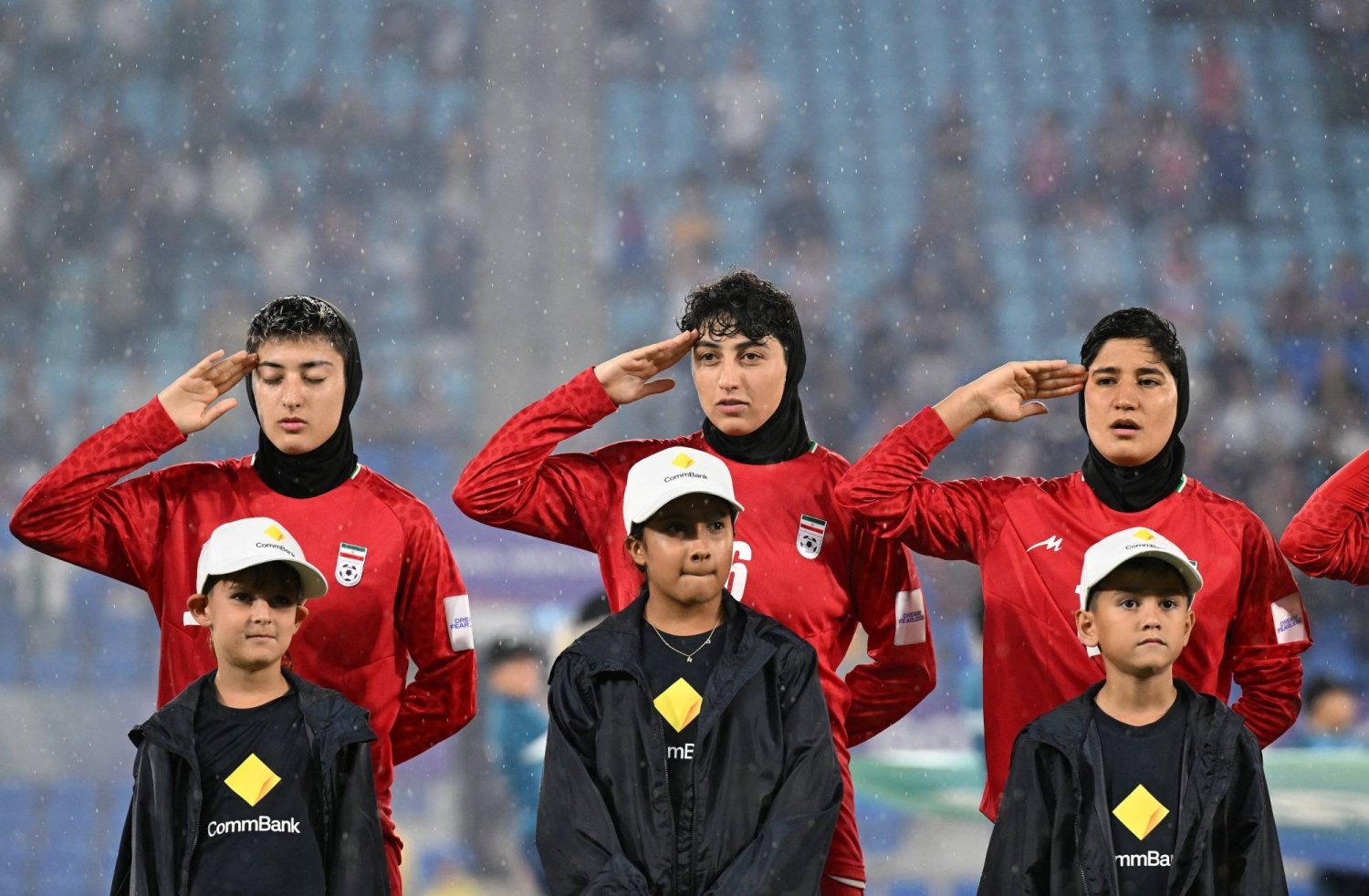
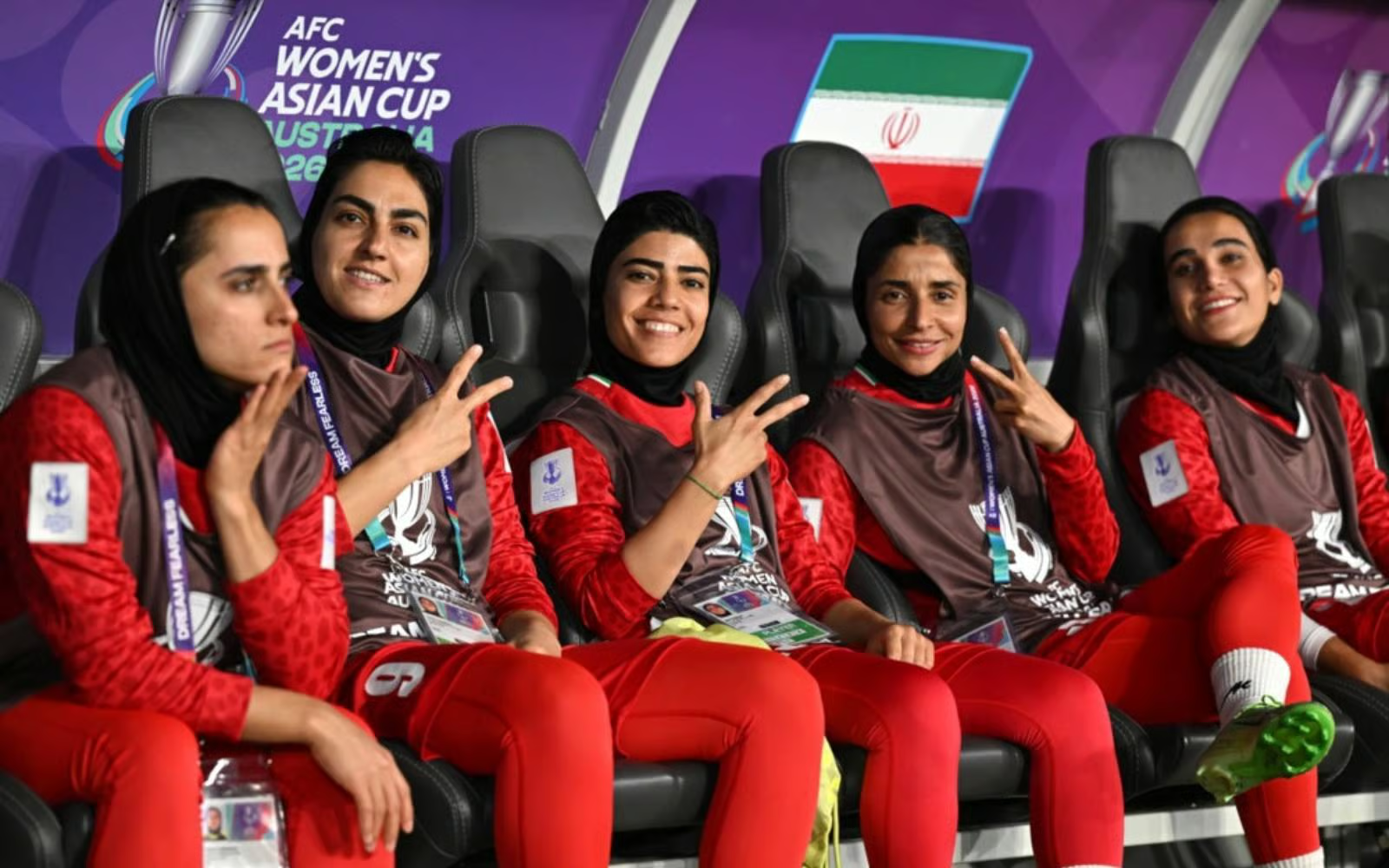
If you ever find yourself wondering what a high-speed collision between a clown car and a durian truck looks like, look no further than the geopolitical theatre currently suffocating the Iranian women’s national football team. As of today, March 10, 2026, five players have sought asylum in Australia. To the uninitiated or the professionally naive, this might look like a “victory for democracy.” To anyone with a functioning frontal lobe, it’s a tragedy—the final, gasping breath of a career spent trapped in a pincer movement between Western “liberators” and a domestic regime that sees a shadow and calls it a CIA operative.
The “Melli” women didn’t just play football; they performed an autopsy on the incompetence of two global superpowers every time they laced up their boots. For years, they have been the involuntary protagonists in a badly scripted drama written by drunk screenwriters in Washington and directed by paranoid fossils in Tehran.
The Western media—buoyed by the kind of intellectual rigour one usually finds at a Mamak stall at 3:00 AM—spent the last year practicing a form of “narrative alchemy.” They took the players’ silence and spun it into a pro-Western manifesto. Every time a player adjusted her headscarf or looked tired during the anthem, some pundit in a climate-controlled studio in Washington declared it a “calculated blow to the patriarchy.”
It was a narrative trap. By celebrating “civil disobedience” before the players even opened their mouths, the West effectively sent an invitation to the Iranian Revolutionary Guard to “reclaim” national unity via the usual method: blunt-force trauma. These pundits weren’t supporting the team; they were drafting them as pro-war mascots, using their lives as political wallpaper to decorate a regime-change fantasy.
While the Trump administration and its acolytes were busy delegitimising Iran by using these women as props, the reality on the ground was far grimmer. These players weren’t looking for a “sovereignty gambit” or a seat at a think-tank gala. They were mourning domestic strikes and fearing for their families back home.
The Western framing ignored the human cost of being a “hero.” It’s easy to cheer for someone else’s martyrdom when you’re sipping a latte in Manhattan. But for the players, the “SOS” hand signals that the diaspora spent weeks over-analysing on social media weren’t some Da Vinci Code message to the UN. It was like seeing shapes in the clouds while your actual house is on fire. People were looking for symbolism; the players were looking for a way to survive the night.
On the other side of this suffocating embrace, we have the IRIB (Iranian State TV) and its bureaucratic theatre. Their response to any lack of performative zeal was as predictable as a Malaysian monsoon. If a player didn’t look sufficiently joyous while representing the state, they were immediately branded with the “enemy co-option” label.
In the eyes of the domestic regime, the pitch wasn’t a sporting arena; it was a courtroom where they were sucked into “treason” as the verdict. The regime’s paranoia turned a football match into an interrogation, proving that for some, the only thing more terrifying than losing a game is a woman who thinks for herself.
The news from Australia isn’t a “triumph.” It is a heartbreaking admission that these women can no longer exist in the fiction of the West or the reality of their home. They have been squeezed out of their own lives.
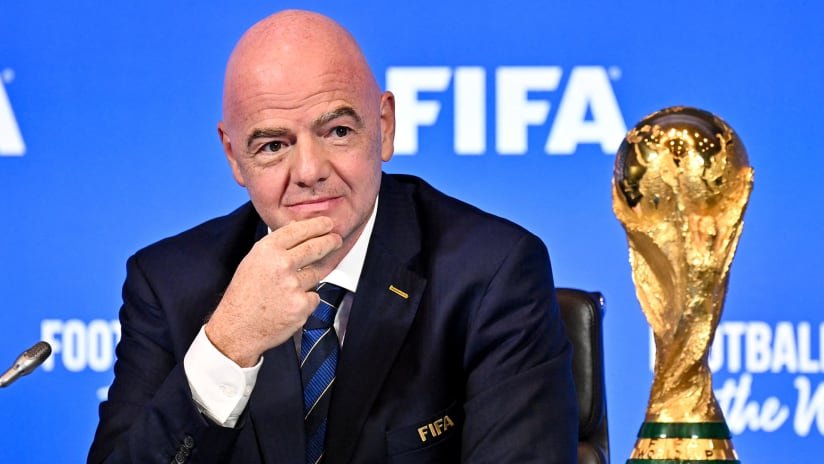
The silence from FIFA has been deafening—a masterclass in “bureaucratic cowardice.” They’ve watched as these players were used as pawns, and their response has been to check their watches and hope the PR nightmare goes away. It’s the stench of a durian in a closed elevator: everyone knows it’s there, but nobody wants to be the one to deal with it.
Unless the laws of physics and common sense decide to take a collective holiday, we are witnessing the end of an era. These women aren’t “defectors” in the glamorous, Cold War sense of the word. They are refugees from a global insanity that refuses to let them be athletes. They are casualties of a world that would rather have a symbol than a person.
Related column: The Hallucinatory Anthem: A Masterclass in Media Fiction