
Let’s be honest: the Football Association of Malaysia (FAM) is currently less of a “sporting g...

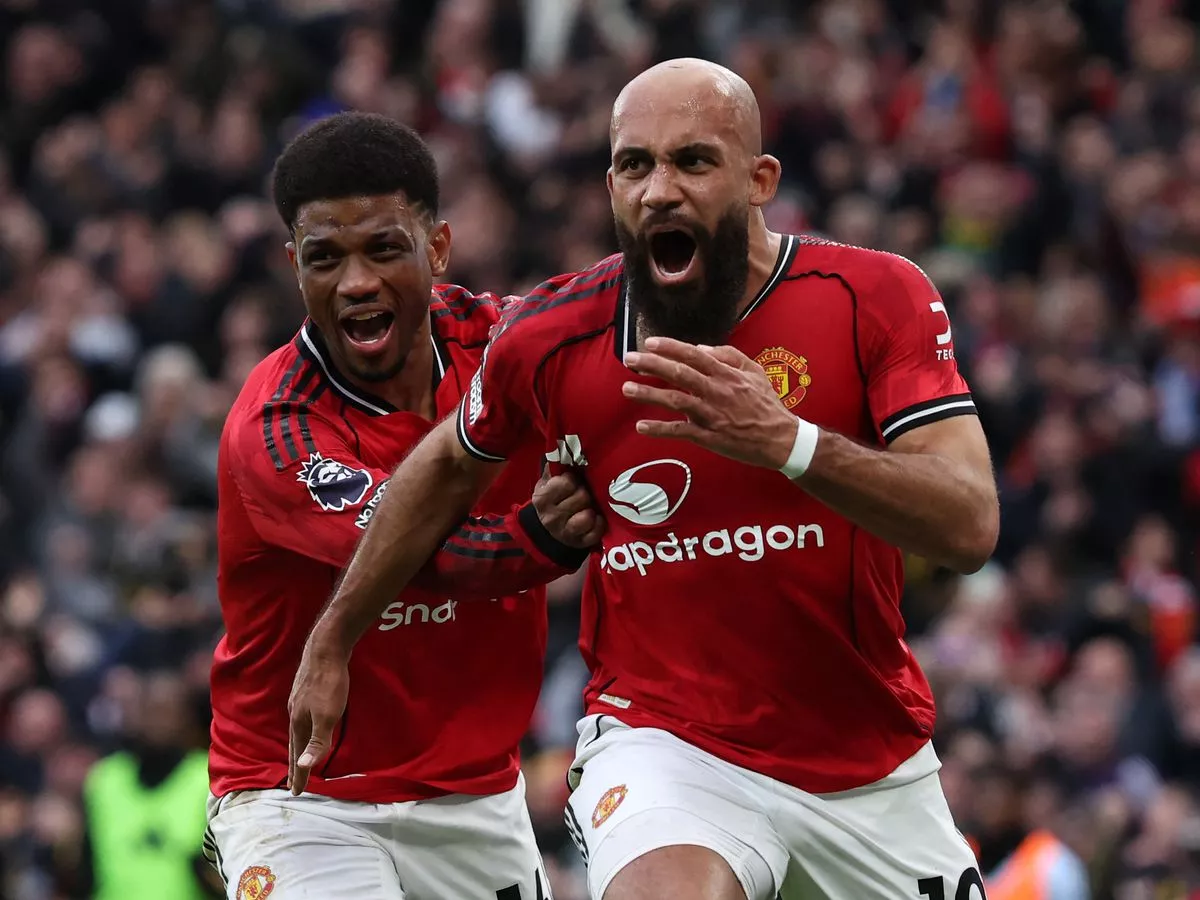
The dust has settled on the Manchester Derby, and apparently, Michael Carrick is the second coming of Sir Alex Ferguson. After Ruben Amorim was tossed aside like a broken IKEA wardrobe after a mere five minutes, Carrick stepped into the dugout, patted a few pampered millionaires on the back, and suddenly Manchester United look like world-beaters. The airwaves are now thick with the scent of nostalgia and nonsense, as pundits drone on about the vital importance of “man-management” and the need to give players the “heart” to play well.
According to this logic, Manchester United doesn’t need a world-class coach with a tactical blueprint; they need a high-end therapist who gives excellent hugs and reminds the squad that they are all very special boys. It is, quite frankly, enough to make a grown man weep.
But let’s not pretend this is a localized Manchester malady. This is a global epidemic of player power that has turned the football manager into the world’s most expensive scapegoat. Look at Real Madrid. Even Carlo Ancelotti—a man whose entire managerial brand is “vibes” and raised eyebrows—is currently being held hostage by a dressing room that looks more like a collection of individual brands than a football team. When things go wrong at the Bernabéu, nobody looks at the players failing to track back; they look at the man in the dugout as if he’s failed to properly calibrate their collective egos.
Closer to home, we saw the exact same script played out in the silver state. When Lim Teong Kim arrived at Perak FC, he brought a “German way” of discipline and high standards—the kind of things you’d expect at a professional football club. Instead, he was met with a culture of “sensitivities.” The Industrial Court recently ruled that his dismissal was unjustified, even noting that members of management helped orchestrate a players’ mutiny.
It’s the same old song: if the coach asks for professional standards that the players find slightly inconvenient, the players stop running, the “vibe” sours, and the coach gets the sack.
We are witnessing a cycle where the sustainability of a manager is now roughly equivalent to a chocolate fireplace. The head coach is entirely subjected to the whims of twenty-somethings who earn more in a week than most people do in a decade. If the manager asks them to run a bit more, they “lose the dressing room.” If he asks them to track back, he’s “too rigid.” It’s the only profession on earth where the CEO gets fired because the interns decided they didn’t feel “inspired” by the Monday morning PowerPoint presentation.
Why is it that when a team loses, it’s a “tactical failure,” but when they win, it’s “player bravery”? The liability gap in modern football is wider than the space behind United’s back four. Players have a direct, physical influence on the ball, yet they are treated like delicate Ming vases that might crack if a manager looks at them squinty-eyed. We’ve reached a point where the man on the touchline is blamed for a professional footballer failing to complete a five-yard pass. It’s like blaming a Michelin-star chef because the waiter tripped and dropped the soup.
Here is a radical, borderline insane thought: Footballers are professionals. They are paid astronomical sums of money to execute a game plan. It shouldn’t matter if the manager has the charisma of a damp sponge or if he “touches their heart” with a pre-match speech worthy of a Hollywood biopic. If the instruction is to press the left-back, you press the left-back.
This idea that a player needs to “feel good” to perform is pathetic. If you need your ego massaged and your “heart touched” just to do your job, you aren’t an elite athlete; you’re a toddler in neon boots. If these players need a cuddle or a good wank to get themselves up for a match, whether it’s at Old Trafford, the Bernabéu, or Ipoh, they shouldn’t be there. They should be in Thailand finding their “happy ending” while the rest of us watch people who actually want to work.
The win against City wasn’t a triumph of “man-management” over coaching; it was a damning indictment of a squad that only chooses to work when they fancy the bloke in the suit. Whether it’s the “Carrick Effect” or the “interim bounce” anywhere else, it’s all a lie. It’s just the sound of millionaires deciding to do their jobs for a week before they get bored again. Until we hold players to the same liability as managers, football will remain a theatre of memes rather than a theatre of dreams.