
When we talk about Malaysian football the conversation usually revolves around state teams and the t...

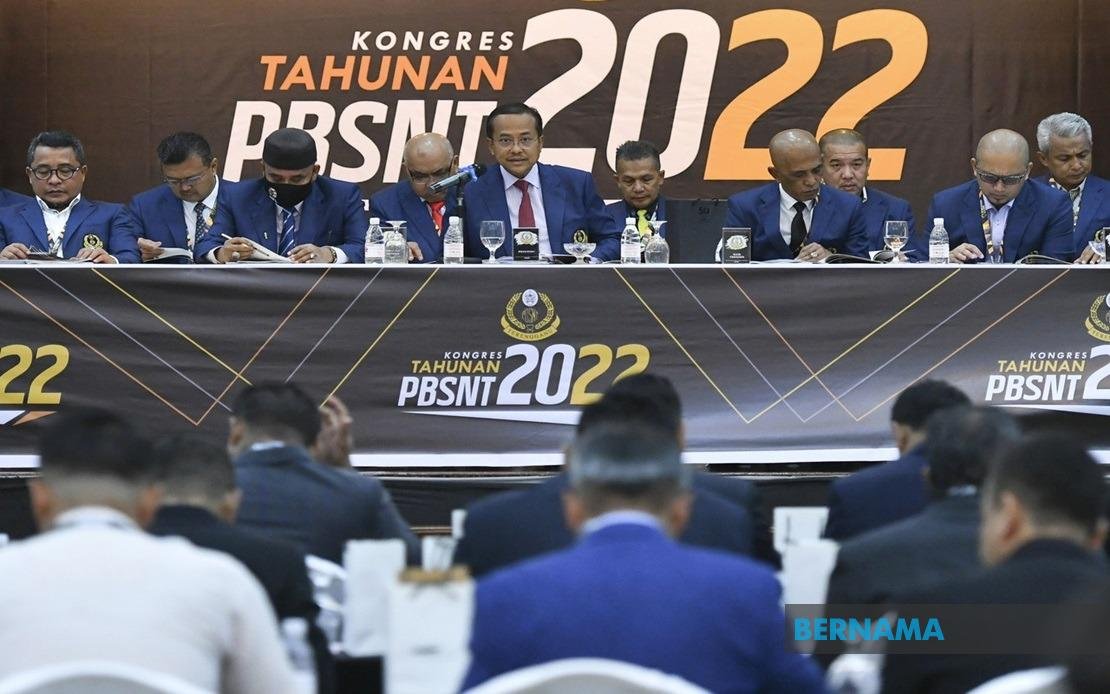
To understand Malaysian football we cannot separate the game from the role of state governments. The influence is not subtle. It is not symbolic. It is structural. For decades state governments have been at the centre of how football is funded organised and legitimised. This influence is so deeply rooted that it becomes almost invisible. We grow up seeing state teams as the natural pillars of the game without questioning how they came to hold that position or what it means for the rest of the football ecosystem.
State teams are not just football teams. They are extensions of state administration. Their budgets often come from state allocations. Their facilities are built and maintained by state agencies. Their leadership is appointed through political channels. Their identity is tied to the state itself which gives them a level of legitimacy that no community club can replicate. When a state team plays it carries the weight of a flag a history and a political structure behind it. This creates a form of institutional power that shapes the entire landscape of Malaysian football.
This power is most visible in the way resources are distributed. State teams have access to stadiums training grounds and facilities that are funded by public money. These facilities are not built for clubs. They are built for states. Community clubs rarely have the same access. They rent fields when they can find them. They train on public grounds that are shared with many others. They operate in spaces that are temporary and inconsistent. The difference in stability is enormous. One side has a home. The other side has a place to use only when it is available.
Financial support follows the same pattern. State teams receive funding from state governments and state linked companies. This support is not based on performance or sustainability. It is based on tradition and political alignment. Community clubs do not have this safety net. They rely on small sponsorships and community contributions. They operate with budgets that can disappear overnight. They plan year by year while state teams plan in cycles that follow political terms. This creates a structural imbalance that is difficult to overcome.
The influence of state governments also shapes decision making within the clubs. Leadership appointments often reflect political considerations. Strategic decisions can be influenced by changes in state administration. When a government changes the direction of a state team can change with it. This creates instability at the top even if the team appears stable on the surface. Community clubs do not face this kind of political pressure but they also do not have the institutional protection that state teams enjoy. They are independent yet vulnerable.
This dynamic affects how the public perceives football. State teams are seen as the rightful representatives of the game. They receive media attention because they carry the identity of a state. They attract sponsors because they are linked to government structures. They draw supporters because people grow up identifying with their state. Community clubs do not have the same symbolic capital. They represent neighbourhoods or towns not entire states. Their stories are smaller. Their reach is limited. Their legitimacy is local not institutional.
All of this creates a football ecosystem where the starting point is uneven. State teams begin with advantages that are built into the system. Community clubs begin with limitations that are not of their own making. When we talk about development or competitiveness we often focus on coaching talent or management. Yet the real difference lies in the structure that surrounds these clubs. It is a structure that rewards state identity and sidelines community identity. It is a structure that has existed for so long that it feels normal even though it is not the global norm.
Understanding the role of state governments is essential because it explains why reform is difficult. Any change to the structure of Malaysian football is also a change to the political and institutional relationships that have existed for decades. It is not simply a matter of adjusting league formats or introducing new competitions. It requires rethinking how football is funded how facilities are shared and how legitimacy is defined. Without addressing these deeper issues community clubs will continue to operate in a system that was never designed for them.
In the next episode we will look at how community clubs navigate this environment and why their role in grassroots development remains crucial despite the structural challenges they face.