When we talk about Malaysian football the conversation usually revolves around state teams and the t...

We are currently drifting through March 2026, and the Malaysian football scene is less a sport and more a forensic accounting seminar gone horribly wrong. The Royal Malaysia Police (PDRM) are currently engaged in a masterclass of bureaucratic mime—performing the “finalising of investigation papers” with the urgency of a sloth on Valium. This isn’t a legal process; it’s a black hole where accountability goes to die, leaving a toxic cloud of suspicion to fuel a “guilty until proven innocent” culture that is currently choking what’s left of our national dignity.
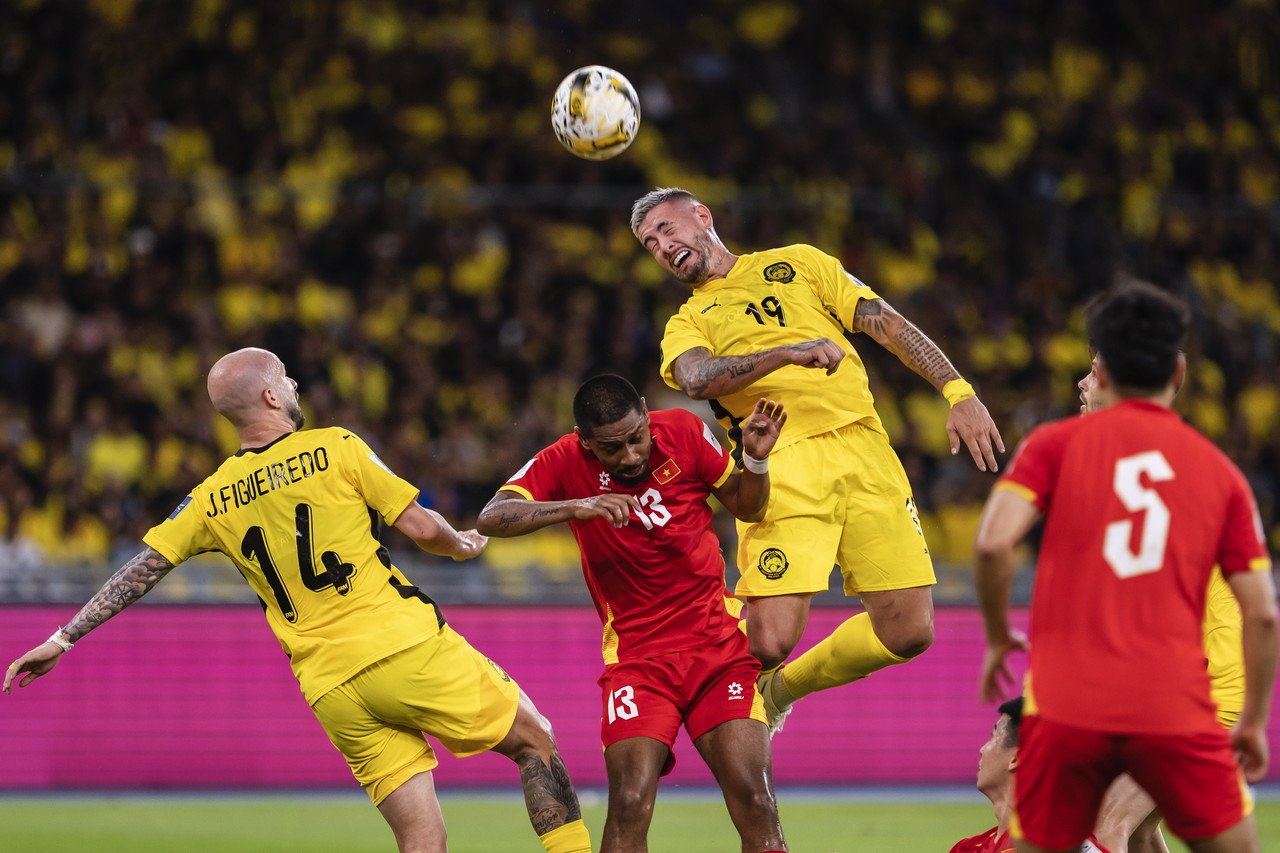
In the centre of this hurricane sits Johor Darul Ta’zim (JDT), the “Southern Tigers” who have spent the last decade treating the Malaysia Super League like a private playground. JDT isn’t just a club; it’s a sovereign entity with better branding and a more robust legal department than most small nations. When you win ten consecutive league titles, you don’t just get trophies; you get a target on your back the size of a billboard in Bangsar. To the average fan, JDT is “The System,” and in Malaysia, we know the system is usually rigged, or at the very least, lubricated with the kind of influence that makes laws feel like mere suggestions. When the most prominent characters in this drama—the likes of Hevel, Irazabal, and Figueiredo—all happen to wear the blue and red of the Southern Tigers, the court of public opinion doesn’t need a jury. It just needs a Wi-Fi connection and a long-standing grudge against the prevailing power dynamic.
The crime itself is a piece of “administrative theatre” so brazen it borders on performance art. We are led to believe that a collection of elite athletes from Spain, Brazil, and Argentina suddenly discovered long-lost Malaysian grandmothers—presumably hidden in the attic next to the old batik sarongs and the 1998 Commonwealth Games memorabilia. These miraculous birth certificates didn’t just appear; they were manufactured with the kind of creative flair usually reserved for low-budget spy novels. Then comes the “I didn’t know” defense: seven grown men claiming they were “passive participants” who signed legal documents written in Bahasa Melayu that they supposedly couldn’t read. It’s a defense that assumes the Malaysian public has the collective IQ of a kangkung. The result of this forgery was an AFC ruling that handed out 0-3 forfeit losses like party favours, turning a qualification dream into a national funeral and an international embarrassment that will take a generation to live down.
Why has it taken PDRM months to move from “identified suspects” to “AGC submission”? In any other industry, if you forged federal documents to hijack a national institution, you’d be in handcuffs before the ink dried. But here, the clock in Bukit Aman seems to run on “Malaysian Time”—a mystical dimension where minutes are months and “soon” means “whenever we feel like it.” This vacuum of accountability is the oxygen that feeds the fire. Without a final report, the Football Association of Malaysia (FAM) Exco’s “mass resignation” in January looks less like a principled stand and more like a panicked exit from a burning building. They left the house empty, the cupboards bare, and the fans screaming at a brick wall. The delay harms the entire industry; JDT cannot technically clear its name, and rival fans are left convinced that the “fix” isn’t just in, it’s been bolted to the floor and polished.
The irony of the current situation is thick enough to clog a long-drain in monsoon. JDT’s PR machine is currently humming a tune of “technical errors” and “FAM incompetence,” painting the club as a bewildered victim of a disorganised federation. It’s a bold sovereignty gambit, contrasting JDT’s narrative against a public view that sees them as the puppet masters pulling the strings of a limp-wristed FAM. While the national team has been gutted and humiliated on the global stage, the clubs—specifically JDT—remain largely unpunished by the AFC. This allows the “tainted” players to continue their domestic careers, earning hefty salaries while the flag they supposedly represent is dragged through the dirt. It is a world where the villain and the victim are wearing the same jersey, depending on which side of the causeway you’re standing on.
In the absence of a formal charge, the “truth” in Malaysian football is currently whatever the loudest WhatsApp group says it is. We are watching the slow-motion car crash of a sport that refuses to check its brakes. The Southern Tiger logo and the Harimau Malaya jersey should be symbols of pride; instead, they’ve become props in a badly scripted drama about greed and bureaucratic cowardice. Until the Attorney General’s Chambers (AGC) decides to actually do its job and tell us who held the pen that signed those fraudulent papers, the stench of this “Naturalisation Noir” will linger. In Malaysian football, the most dangerous game isn’t played on the pitch; it’s played in the folders currently gathering dust on a desk in Bukit Aman, waiting for a spine to be found.
Related column(s):
Skidmark on My Silk Underwear: Mourning the Naturalisation Mess While Celebrating the Masterclass