Argument
Rebuilding The Grassroots
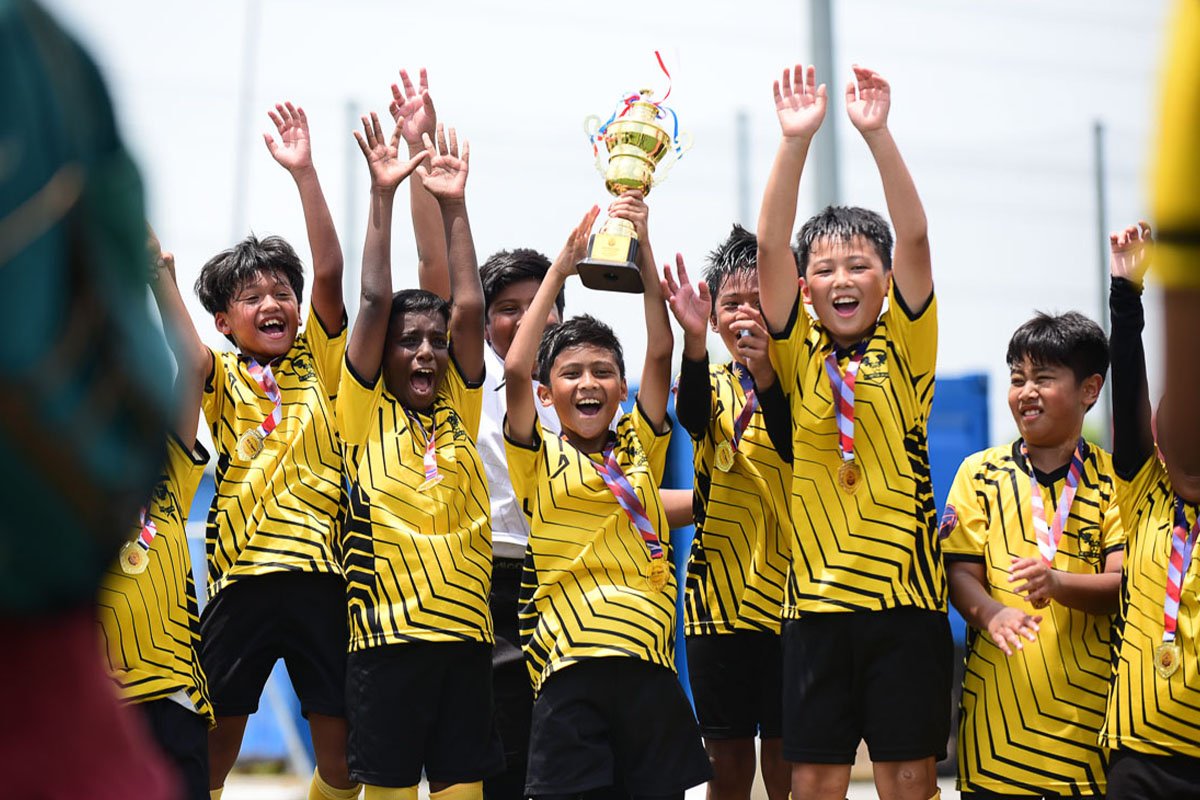
Across every dusty village field, every faded school court and every small corner where a ball becom...

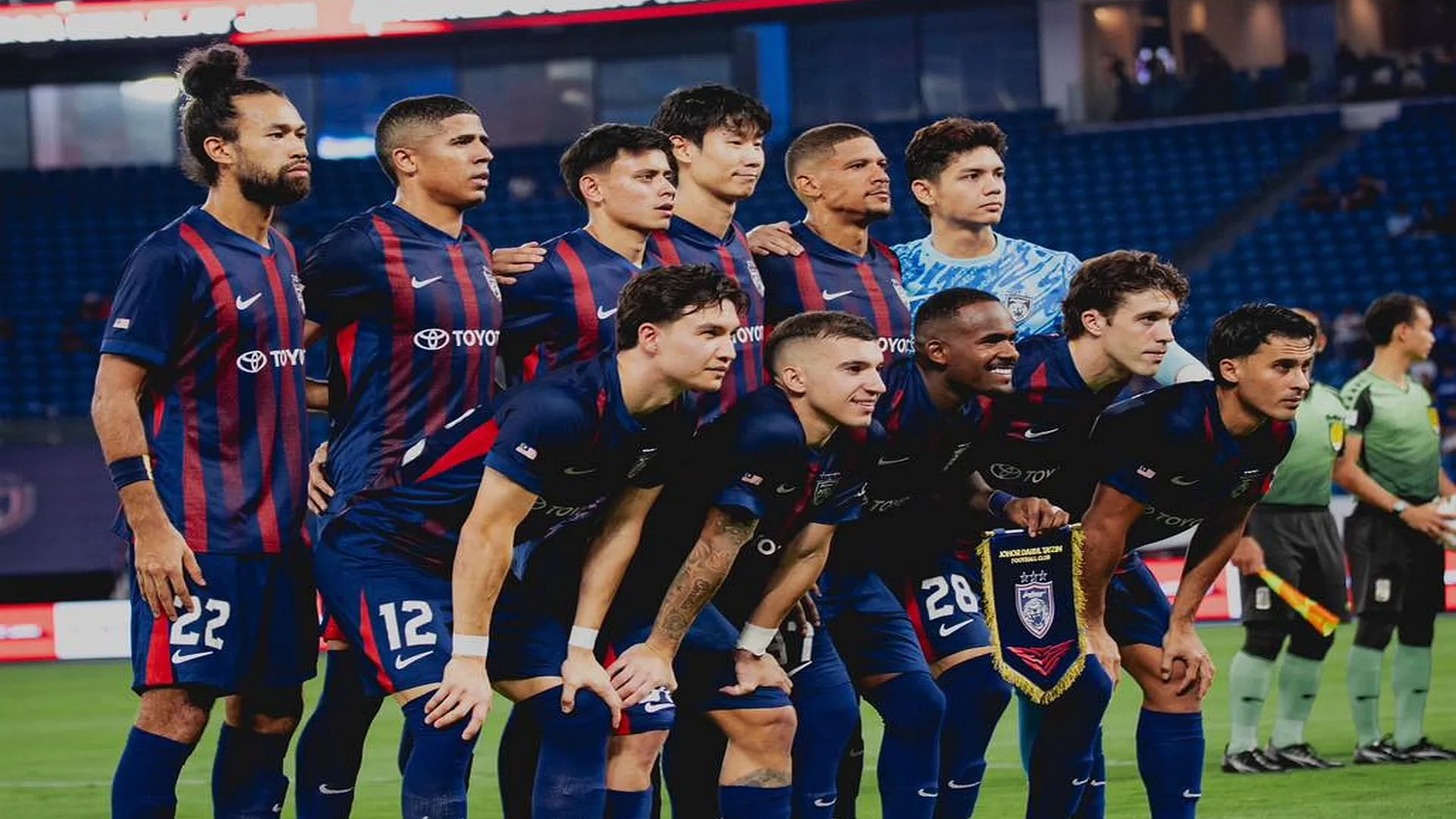
Watching the Harimau Malaya these days feels less like witnessing a national awakening and more like sitting through a tribute act by a band that’s forgotten its own lyrics. We’ve become addicted to the footballing equivalent of a “one-hit wonder” produced entirely via ghostwriters and aggressive auto-tune. You look at the pitch and see a “National” team populated by gentlemen who seemingly discovered their profound, soul-deep Malaysian heritage via a frantic Google search and a favourable Zoom call with a distant auntie three months prior. It’s a short-term sugar high—a frantic grab for glory that has left our actual grassroots gasping for air in the dust.
We are currently “renting” success while the local talent pipeline is treated like a redundant recording studio, left to rot while the bigwigs browse the international transfer market for a cheaper shortcut to a trophy cabinet that remains stubbornly empty.
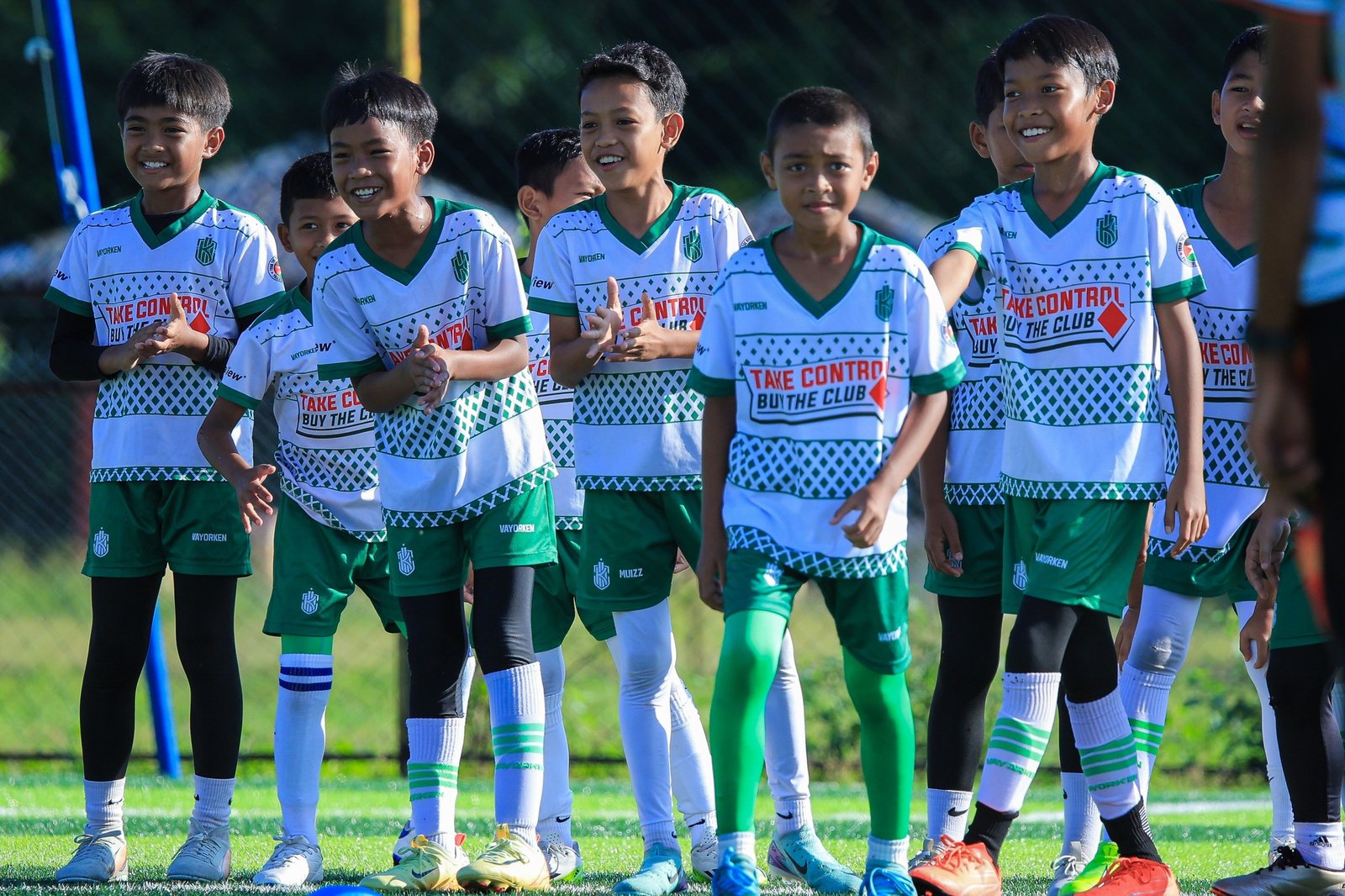
Let’s talk about Akademi Mokhtar Dahari (AMD), the crown jewel of the National Football Development Programme (NFDP). On paper, it’s a national treasure; in reality, it’s a massive, state-funded subsidy for the footballing elite. This year alone, another RM18 million has been tossed into the pot, bringing the estimated collective taxpayer bill to a staggering RM250 million to RM300 million since the NFDP’s inception in 2014. We are burning a king’s ransom of public money to do the heavy lifting for wealthy clubs who then stroll into Gambang and cherry-pick the best talent like they’re browsing for organic kale at a boutique grocer in Bangsar. This isn’t a development system; it’s a concierge service for the MFL giants. By monopolising the elite pathway, we’ve effectively told provincial clubs and state associations to stay in bed. Why bother building an academy in Alor Setar or Kota Bharu when the “Suits” in Putrajaya are footing the bill for a closed loop that excludes 99% of the country?
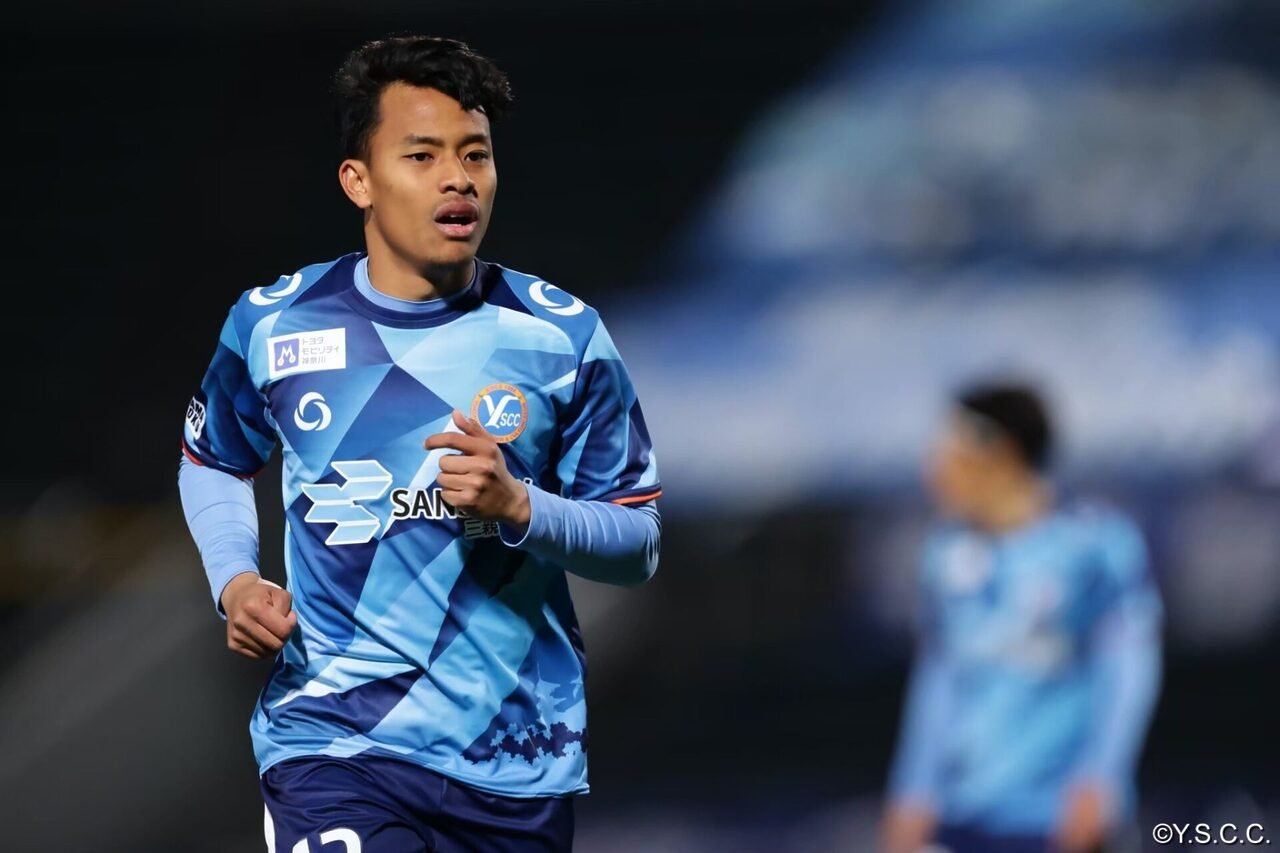
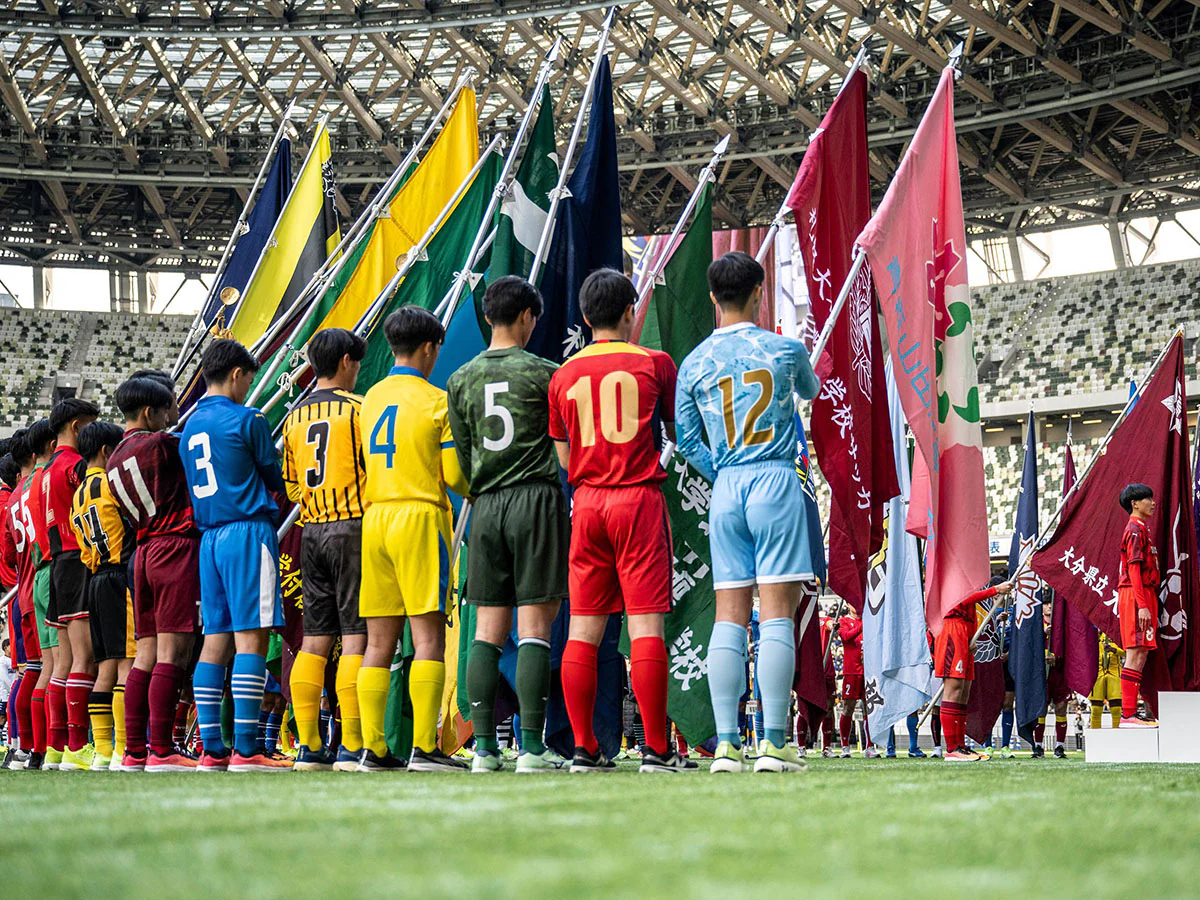
While we’ve been busy polishing our one-and-only golden trophy in Pahang, Japan decided to build an entire “Indie Scene” that eventually took over the global stage. They didn’t put all their yen into one state-run basket. Instead, they engineered a high-stakes, “Dual-Track” ecosystem where High Schools and Universities compete head-to-head with professional J-League academies. In Japan, the “All-Japan High School Soccer Tournament” and the university leagues are televised rites of passage, drawing crowds that would make our domestic league blush. Look at Kaoru Mitoma—a man now terrorising Premier League defenders with Brighton. At 18, he actually turned down a professional contract with Kawasaki Frontale because he felt he wasn’t ready. He chose to spend four years at the University of Tsukuba, honing his craft in the All-Japan University Football Tournament and even writing a graduation thesis on the art of dribbling. Japan realised that success isn’t about one fancy dormitory in the middle of nowhere; it’s about making football a prestigious, high-octane part of the national student identity. They built a factory; we built a boutique.
If we want to stop being the “Cover Band” of Southeast Asia, we need a total tactical reset. This is the blueprint for a national “Recording Studio” that actually produces originals. The Ministry of Education (KPM) and Higher Education (KPT) must stop acting like bystanders and become “Tour Promoters,” turning every school field and university stadium into a node in a massive national grid. We need a league structure that treats a rivalry between two vocational colleges with the same gravity as a cup final. Meanwhile, FAM and the NFDP need to stop pretending to be “Players” and start being “Producers.” Their job isn’t to run a single academy; it’s to set the “Gold Standards”—the technical blueprints and licensing requirements—for every school coach from Perlis to Sabah.
Crucially, RTM needs to stop airing reruns of 80s dramas and start treating the “Inter-State High School Finals” like the Super Bowl. If you give these kids a stage and a camera, the corporate sponsors—and more importantly, the fans—will follow the scent of genuine passion.
It is time to close the “State-Funded Buffet.” We take that annual RM18 million and stop using it to pay for electricity bills in Gambang. Instead, we transform it into a Licensing Incentive Fund. The logic is simple: if your school, university, or local club hits the “Gold Standard” developmental benchmarks, you get a slice of the pie. If you’re just a glorified daycare centre, you get nothing. We need to force the entire system to compete for quality rather than sitting around with their palms upturned, waiting for a government handout that has clearly failed to deliver the goods.
We don’t need more players with conveniently timed Malaysian passports; we need a system that ensures a kid from a kampung in Kelantan can become world-class without needing a VIP invitation to a state academy. It’s time to stop buying the dream from foreigners and start building the factory at home. Let’s get to work.
Related column(s):
NFDP: A State-Funded Buffet for Clubs with Too Much Money