Argument
Rebuilding The Grassroots
Across every dusty village field, every faded school court and every small corner where a ball becom...

Across every dusty village field, every faded school court and every small corner where a ball becomes the reason people gather, one thing remains constant the presence of dreams. The dream of a child who wants to become a great player. The dream of a family who hopes to see a small spark of talent grow into something meaningful. The dream of a community that wishes to witness a new generation carrying their hopes forward.
But dreams without a system to protect and guide them often fade before they ever reach their full shape.
We speak about talent as if it appears on its own as if it is a gift that falls from the sky. The truth is far less romantic. Every successful player comes from a long journey shaped by intention, structure and patience. No star emerges without strong grassroots. No achievement is born without a process that is consistent and deliberate. This is the part we often overlook because it is not glamorous or because it requires long term commitment that many are unwilling to make.
Grassroots development is not a side activity. It is not a weekend programme or a seasonal project that comes alive only when funding appears. It is the heartbeat of a nation’s football future. When the grassroots are weak the entire ecosystem collapses. Today we are witnessing the consequences not because we lack talent but because we lack continuity.
Many young players stop playing not because they are not good enough but because they do not know where to go after school. Their path is unclear. The system does not provide a bridge between interest, talent and opportunity. They disappear not because they fail but because no one safeguards their journey. A dream without direction becomes a burden and too many young players carry that burden alone.
This is where the community must return as the backbone.
In Japan community clubs serve as centres of local life. They are not merely training grounds but social spaces where children learn discipline, values and identity. In Spain small clubs in modest towns become second homes for thousands of young people. They grow up in ecosystems that believe football is not only about winning but about shaping human beings. These environments do not rush talent. They nurture it. They do not measure success only through trophies but through the character of the players they produce.
What separates these countries is not only technical structure but culture. A culture that sees grassroots development as a social investment. A culture that believes every child who touches a ball deserves an equal chance. A culture that understands football does not belong solely to clubs, academies or federations. It belongs to society.
In many parts of the world supporter cooperatives act as bridges between communities and grassroots development. They transform supporters from passive observers into active custodians. They make player development a shared responsibility. They remind us that the future of football cannot be left to one party alone. When communities participate the ecosystem becomes healthier, more resilient and more human.
Strong grassroots grow from communities that care. From parents who are willing to give their time. From coaches who see potential before they see results. From supporters who understand that a player’s journey cannot be measured in a single season. From societies that believe football is a space to build people rather than simply a platform to chase victories.
We must change the way we view grassroots. It is not a burden. It is a heritage. Something that must be protected, organised and carried together. If we truly want to see football that is competitive, rooted in identity and guided by principles we must begin from the bottom. From the place where dreams are born for the first time.
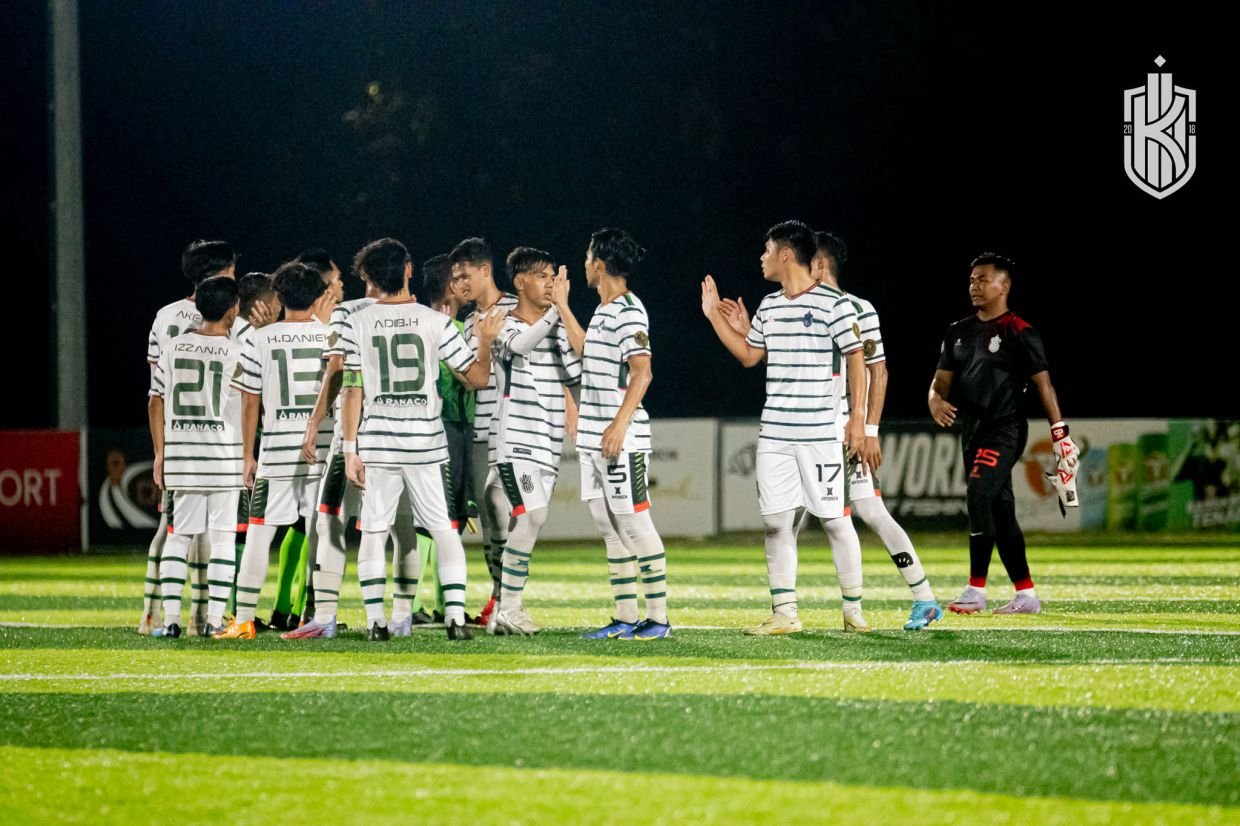
Because everything begins there. On imperfect fields. With worn out shoes. With a ball that has lost its air. With children who play not for medals but because they have fallen in love with the game. If we fail to protect that space we are not just losing players. We are erasing futures before they even have a chance to grow.
In the next edition we will explore how football identity is shaped not through logos, colours or slogans but through values, culture and consistent narrative. Without identity football is just a game. With identity it becomes something far greater than itself.