Analysis, Featured
The Seven-Man Circus: My Prediction for the Impending CAS Train Wreck
The Football Association of Malaysia has finally achieved the impossible. They haven’t won a World C...

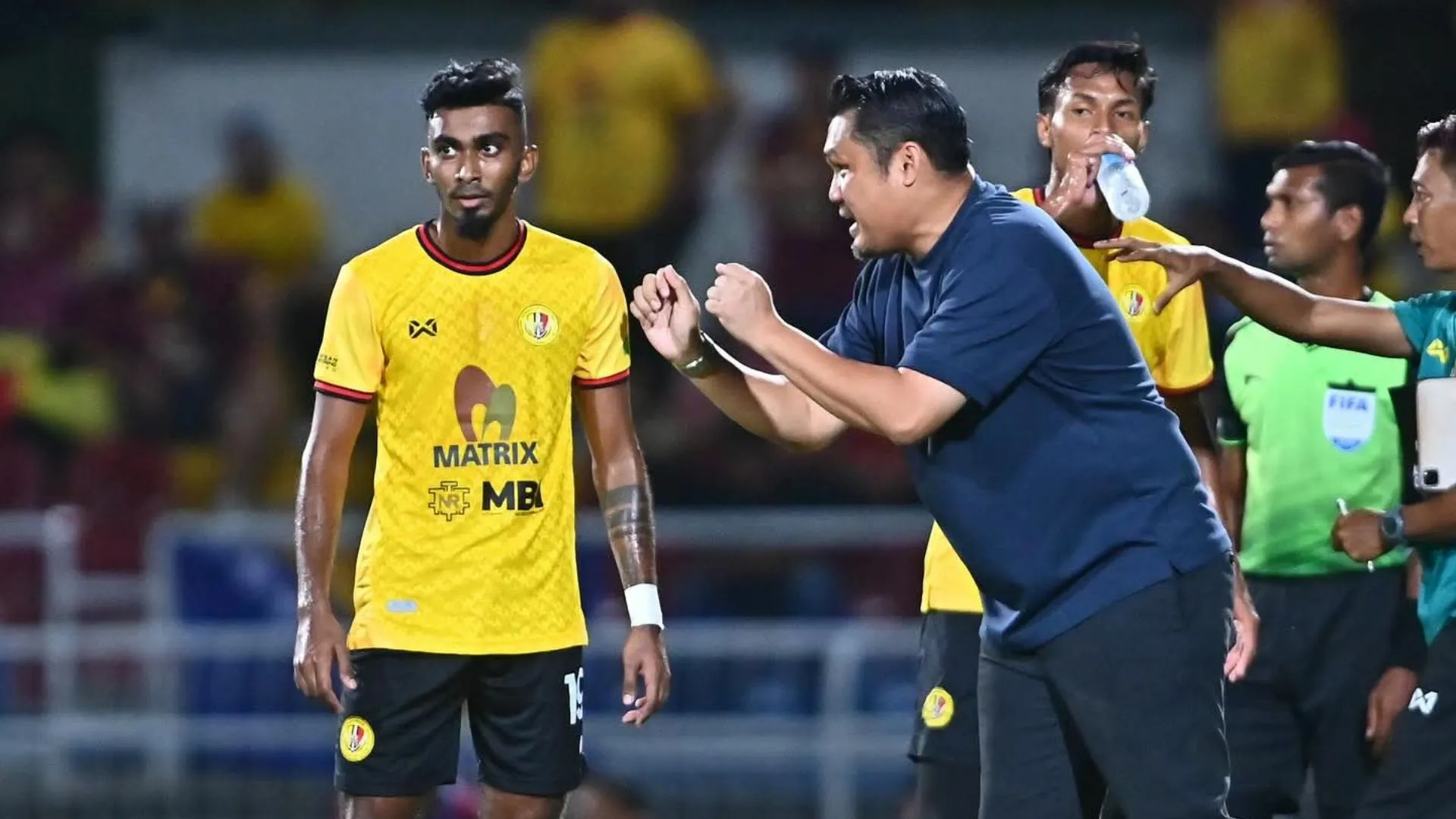
Let’s talk about football coaches. Glorified babysitters who spend 90 minutes looking perpetually constipated on the touchline. But when one of them, like Negeri Sembilan FC’s Nidzam Jamil, finally breaks character, we get a masterclass in leadership failure.
I should declare a bias here, though it’s not the one you think. I know Nidzam Jamil. We were at High School Kajang together. But let me be absolutely clear: I’m not writing this because he’s a mate; I’m writing this because he did the right thing, and his employer is trying to bandage the situation with the wrong kind of tape.
After a thoroughly depressing 2-0 loss to Melaka FC (a result that suggests a severe lack of motivation, or perhaps just talent), Nidzam found himself in a heated post-match confrontation with a fan. Now, normally, a coach is expected to take performance criticism like a good little martyr—it’s part of the job description, apparently. But the fan in question, bless his tiny, abusive heart, decided to stop critiquing the strategy and started attacking Nidzam’s family, specifically his mother.
Nidzam reacted. He confronted the abuse. And what was the thoughtful, compassionate, protective response from NSFC CEO Faliq Firdaus? That the coach needed “better emotional management” and was, wait for it, Telinga nipis—thin-skinned.
This certainly wasn’t an act of malice; it was more a colossal missed opportunity for leadership. The club’s response focused on controlling the coach’s emotions rather than condemning the fan’s abuse. The message they accidentally sent: The biggest sin wasn’t the hateful abuse hurled at a mother, but the coach’s failure to act like a robot and ignore it.
The “be thick-skinned” mantra is football’s laziest, most poisonous dogma. It’s a convenient, catch-all phrase used to excuse workplace harassment. The question isn’t if Nidzam should have reacted; the question is, what should a truly supportive management have done instead?
They should have drawn a non-negotiable line with two simple, immediate actions:
This shifts accountability where it belongs—onto the abuser—and fulfils the club’s duty to protect its staff. Failing to do this forces coaches to either tolerate bile or look like unprofessional hotheads when they finally explode.
If you need proof of this management blueprint, you only need to look across the continents to a moment of genuine, magnificent outrage.
Cast your mind back to 2020: Tottenham Hotspur midfielder Eric Dier had just lost a match and, like Nidzam, had a fan encounter. Dier, seeing a supporter rowing with his younger brother in the stands, scaled the advertising hoardings and charged into the crowd.
And what did his manager, the famously volatile José Mourinho, say? He delivered the gold standard of managerial defense: “I think Eric did what we professionals cannot do, but in these circumstances, I think everyone of us will do … because when somebody insults you and your family is there …”
Mourinho didn’t lecture Dier on emotional control. He didn’t call him thin-skinned. He acknowledged the professional wrong while providing unconditional human defense. He used his powerful platform to remind the world that these people, despite the money, are not automatons—they have families they will protect.
The stark contrast is devastating. Mourinho was brave enough to stand up for a fundamental human right—the right to defend your family. NSFC management, by focusing on “emotional management,” instead made their coach appear culpable, effectively punishing the man who stood up to a bully.
The real test of resilience isn’t whether my former schoolmate, Nidzam Jamil, can endure familial insults; it’s whether his club has the courage to define its culture. The solution isn’t demanding a coach be “thick-skinned.” The solution is having a management team that is brave enough to stand up to the small minority of toxic fans and defend their employees. Until then, they’re just enabling the lowest common denominator, proving that in modern football, protective leadership is always the first thing to get relegated.