Analysis, Featured
The Seven-Man Circus: My Prediction for the Impending CAS Train Wreck
The Football Association of Malaysia has finally achieved the impossible. They haven’t won a World C...

Passion becomes a currency in Malaysian football. And like all currencies, it can be overdrawn.
Most people who stay in the game do not do so for money, status, or recognition. They stay because of a lifelong love for football — the kind that survives adulthood and lingers long after playing days are over. That love is football’s greatest strength. It is also what the system leans on most.
When people talk about Malaysian football, they often focus on institutions. Associations. Leagues. Clubs. Sponsors. These are the visible parts of the ecosystem. They appear on press releases, banners, and organisational charts. They are where authority is assumed to sit.
But football here is not sustained solely by logos or structures. It is sustained by people whose names rarely appear anywhere.
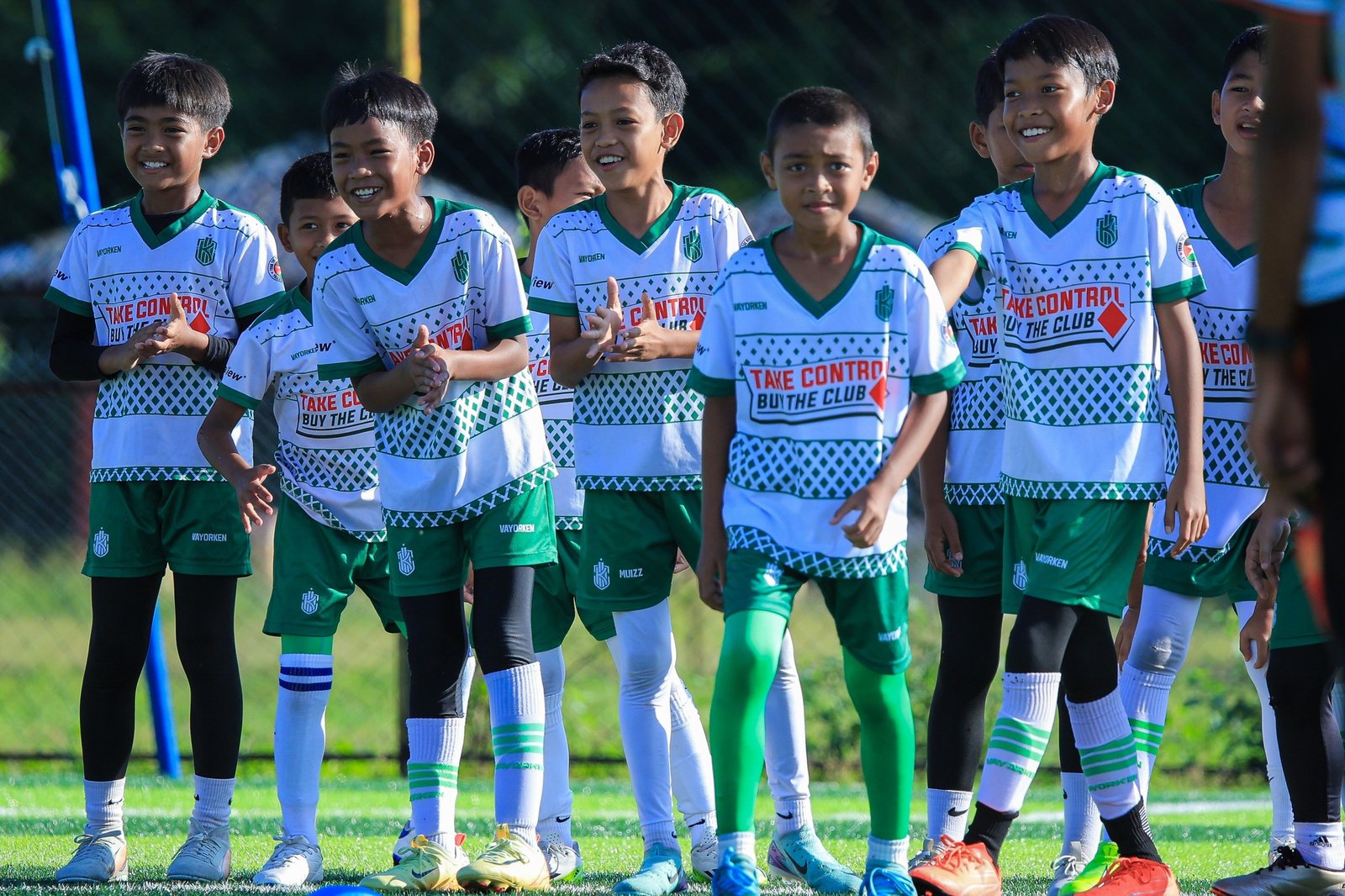
Behind almost every programme, tournament, or community session are unpaid or underpaid individuals doing work far beyond their job descriptions. The organiser who stays back to pack cones because no one else will. The coach who runs sessions after a full day’s work. The volunteer who keeps answering WhatsApp messages late into the night. The community leader who keeps things moving because if they stop, everything stops.
This is often described as dedication. Commitment. Passion. And those things are real. But over time, they also become convenient explanations — ways to avoid asking harder questions about how much is being asked of people, and how little they are protected in return.
We usually frame burnout as personal failure. Someone couldn’t cope. Someone took on too much. Someone lost motivation. But burnout is rarely about a lack of love for the game. More often, it is about design.
When the same small group of people is expected to fill structural gaps again and again, exhaustion becomes inevitable. When responsibility grows faster than support, passion slowly turns into pressure. When systems rely on goodwill to function, they may survive — but they do not sustain the people within them. This is where sustainability becomes exploitation.
No one sets out to exploit volunteers or part-timers. But reliance hardens into expectation—people who say “yes” once are asked again. People who deliver are given more to carry. People who care are trusted with responsibility — without always being given authority, resources, or rest.
The more someone loves football, the more vulnerable they become within the system because they are less likely to walk away. Less likely to complain. Less likely to ask for boundaries. Their commitment is seen as proof that they can handle more until they can’t.
When people eventually step back, it is often framed as disengagement rather than exhaustion. We replace them quietly, if we can. Or we leave the role vacant and ask someone else to step in. Rarely do we pause to ask what this pattern says about the way football is organised.
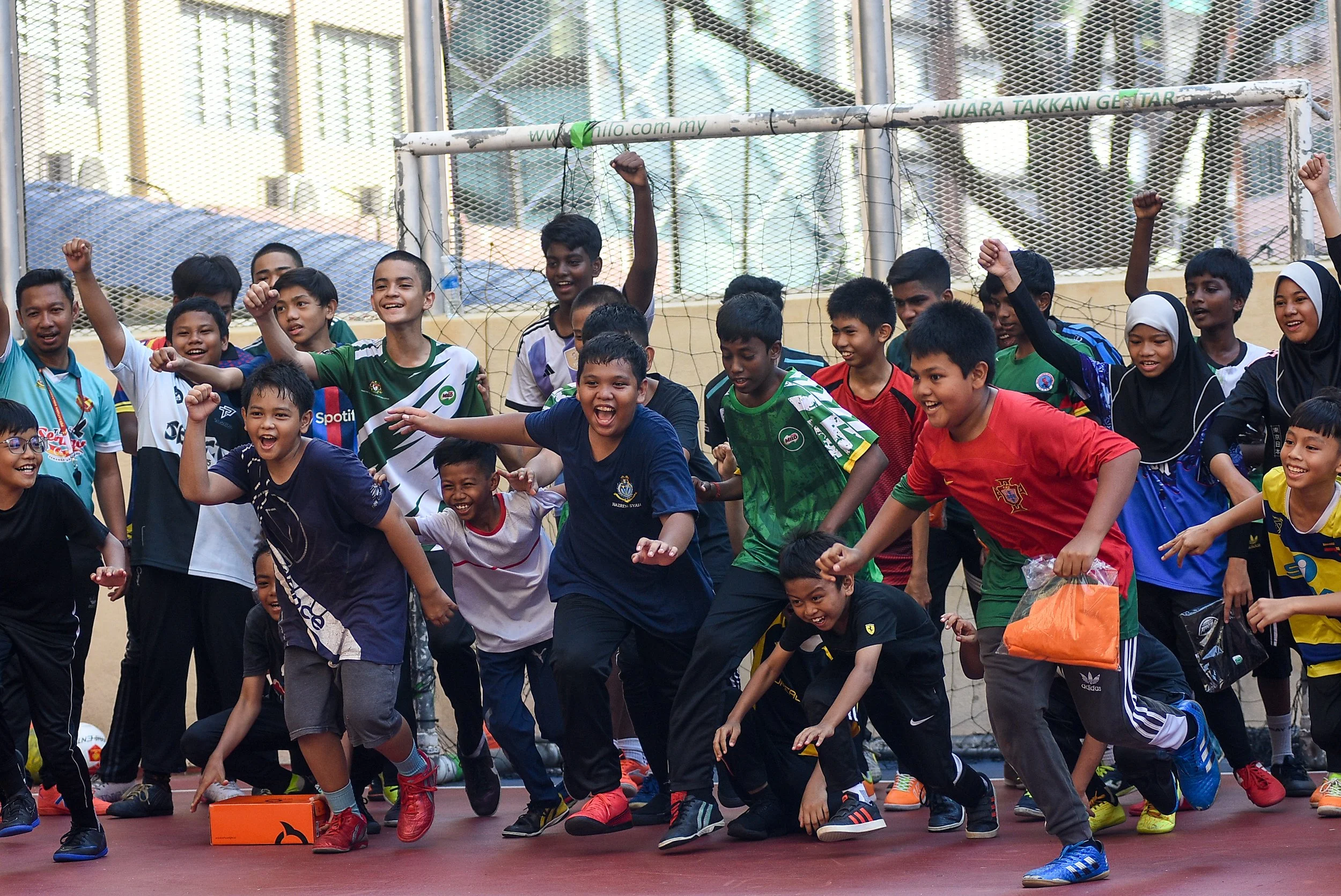
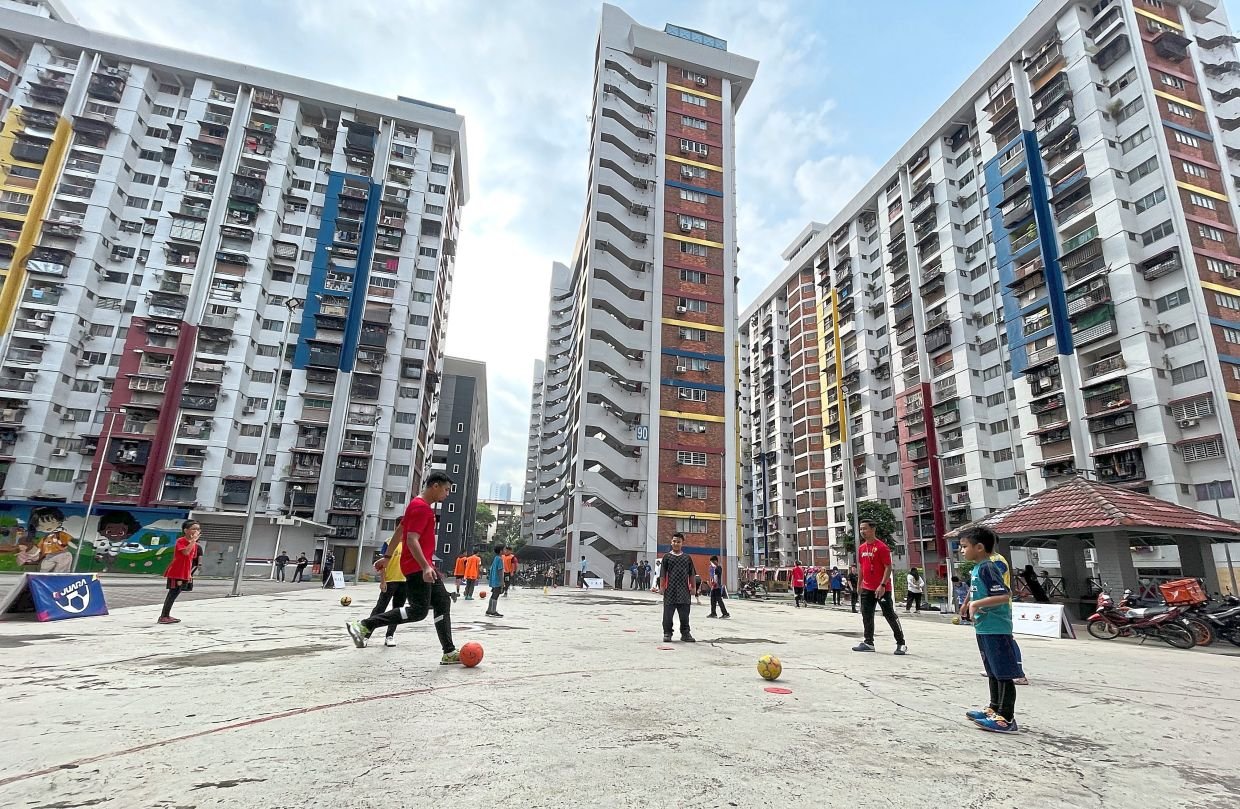
This invisible labour is felt most acutely in grassroots and community football. When budgets tighten, these are often the first areas to lose support, even though they are the foundation of everything else. Development becomes transactional. Programmes are justified only if they produce measurable outcomes. The slower, quieter work — building trust, creating safe environments, keeping people engaged — is harder to quantify, and easier to overlook. Yet without it, football does not function.
Resilience is often praised in this context. We talk about how people “find a way” and “make do.” But resilience should not be confused with health. Survival should not be mistaken for sustainability. A system that only works because people keep sacrificing themselves is not strong. It is fragile — just quietly so.
So what does responsibility look like?
Honestly? It requires more than better communication or two-way conversations. Those matters are starting points, not solutions. Real change means designing systems that do not depend on permanent goodwill to survive. Where roles are defined, support is predictable, and care is intentional, where passion is nurtured, not extracted.
It means recognising that football is an emotional ecosystem, not just a technical one. People do not burn out only from workload; they burn out from feeling unseen, unheard, and unsupported. It means normalising rest instead of glorifying sacrifice. Acknowledging effort even when outcomes fall short. Being clear about expectations, limits, and capacity.
Responsibility is shared. It belongs to decision-makers who shape structures. It belongs to organisations that define success. It also belongs to those of us who write, comment, and shape football narratives. Celebrating outcomes without acknowledging the labour that went into them reinforces invisibility. Praising sacrifice without questioning why it is necessary helps normalise it.
The game will not be saved by those who shout the loudest or sit at the top the longest. It will be sustained by whether the people who love football enough to keep it alive are still willing — and able — to be there tomorrow.
Football runs on systems, yes.
But it survives on people.
And a lifelong love for the game should be something we protect — not something we quietly spend until there is nothing left.