Analysis, Featured
The Seven-Man Circus: My Prediction for the Impending CAS Train Wreck
The Football Association of Malaysia has finally achieved the impossible. They haven’t won a World C...

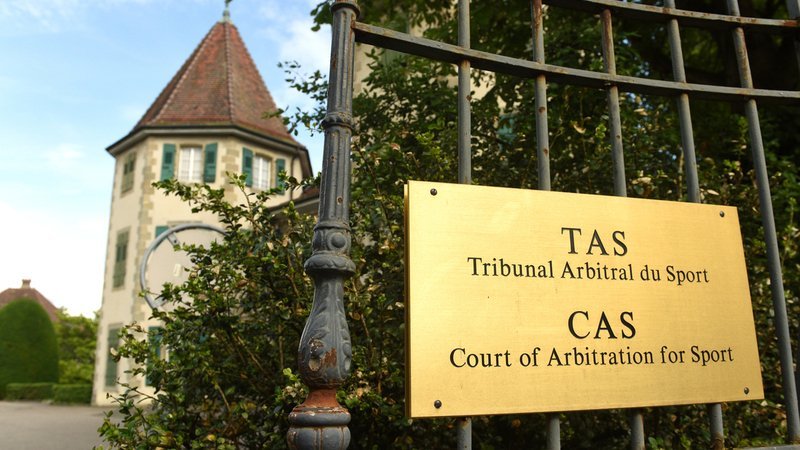
The Football Association of Malaysia has finally achieved the impossible. They haven’t won a World Cup, mind you, nor have they cracked the top fifty in the FIFA rankings, but they have managed to turn the mundane administrative task of filing paperwork into a high-stakes legal thriller that would make John Grisham weep with envy. At the heart of this farce are seven players, a collection of questionable birth certificates, and a desperate attempt to prove that “heritage” is something you can manufacture in a back office in Kelana Jaya. As the case heads toward the Court of Arbitration for Sport, the FAM is clutching at a trio of defences that range from the legally flimsy to the professionally embarrassing.
The first and perhaps most ambitious strategy is the sovereignty gambit. The idea that national law should trump FIFA eligibility is the kind of logic used by people who think they can ignore the rules of Monopoly because they own a real house in Subang Jaya. FIFA is a private club. If you want to play in their sandbox, you follow their bucket-and-spade rules. If CAS allows national sovereignty to dictate sporting eligibility, the World Cup becomes a literal “Who can print the fastest passport” competition. It is a bold attempt to argue that if the Malaysian government, through the National Registration Department, says a man is Malaysian, then FIFA has no business poking its nose into the family tree. For CAS to undermine FIFA’s right to define its own standards would be a suicide note for the integrity of international football. It would turn every national team into a mercenary outfit where the highest bidder prints the fastest passport.
Then we have the “Passive Participant” defense, which is essentially the “I’m just a footballer, don’t ask me to read” plea. The players are claiming they are innocent bystanders who simply signed the documents their benevolent overlords at the federation put in front of them. It’s a touching narrative, but in the cold, hard world of sports law, it holds about as much water as a sieve. We need only look at the world of anti-doping to see how this ends. If an athlete tests positive for a banned substance, the “my doctor gave it to me” excuse is met with a cold stare and a two-year ban. The principle of strict liability means the athlete is responsible for what is in their body, and by extension, what is in their eligibility file. Suggesting that a professional player—represented by agents, lawyers, and handlers—didn’t notice his grandmother’s birthplace had migrated five thousand miles across an ocean is an insult to the intelligence of everyone involved. You cannot claim innocence through a self-imposed fog of ignorance.
Finally, we arrive at the “Technical Error” masterpiece. This is the FAM’s pièce de résistance, where they essentially argue that they aren’t malicious, they’re just spectacularly incompetent. The defense rests on the idea that the FAM took documents from the NRD and passed them to FIFA without a single person thinking to double-check if the details were, you know, true. It’s a strategy of weaponised negligence. They are asking the world to believe that a multi-million-dollar sporting organization functions with the administrative rigour of a lemonade stand. By blaming a “technical error” or “administrative oversight,” they are attempting to dilute the allegation of forgery into a simple case of bad filing. They want us to believe they were “tricked” by the very documents they were supposed to verify. It is a stunning admission of failure, a plea for mercy based on the fact that they didn’t do their jobs.
Reports suggest the verdict from CAS will drop as early as 5 AM this Friday. While I have a lingering, cynical suspicion that the world of sports law is capable of breathtaking absurdity, I ultimately don’t believe this will go in favour of the FAM and their seven wayward sons. The evidence is too stark, the precedent too dangerous. However, if by some miracle of legal gymnastics they do succeed, CAS won’t just be handing out a few jerseys; they will be opening a Pandora’s box that will be catastrophic to the sport. It would signal to every federation on the planet that if you want to cheat, just make sure you’re disorganised enough to call it a mistake. If the truth doesn’t prevail this Friday, then the word “international” in international football will officially become nothing more than a punchline.