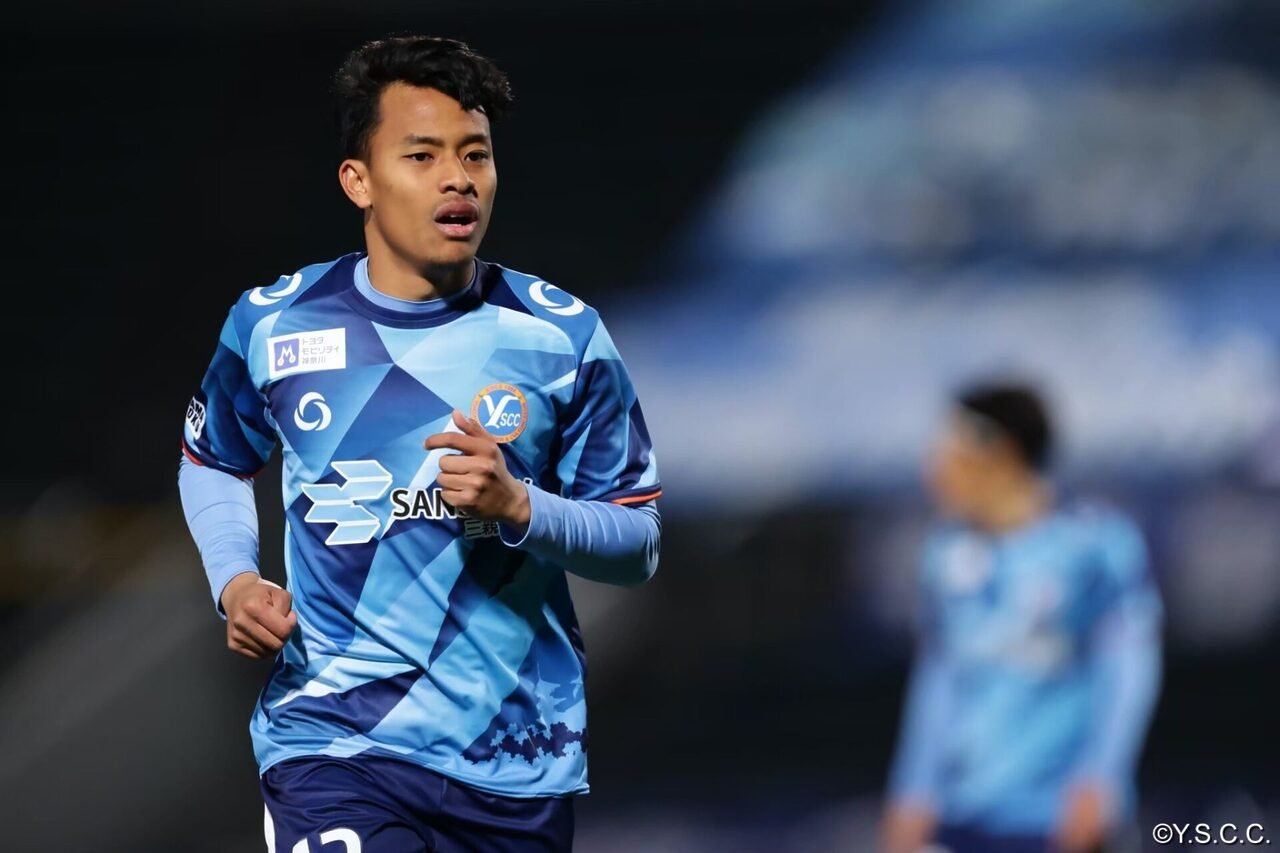
Every year, talented players face the same quiet crossroads. Stay. Build steadily. Remain close to f...


In recent years football has changed at a pace that few could have predicted. Clubs that once grew from the spirit of local neighbourhoods are now owned by investment groups, major corporations and international funds. This shift has brought financial strength, better facilities and more structured development programmes. At the same time it has raised a question that is becoming harder to ignore. Where does the community fit in a modern game that increasingly follows the logic of markets rather than the rhythm of local life.
Large investments have undeniably opened doors. They have created better training environments, more professional academies and wider commercial opportunities. Yet behind these improvements many feel that the bond between clubs and their original communities has weakened. Football that once served as the heartbeat of a neighbourhood is now often seen as an industry that moves according to commercial priorities.
Not every country has followed this path. In Germany the 50+1 rule ensures that voting power remains in the hands of club members. It is not just a regulation but a principle that asserts that a football club belongs to its people rather than to capital alone. In Spain the socios model used by several major clubs preserves the tradition of supporters as custodians of identity. These examples remind us that progress does not have to erase the values that once held communities together.
Community ownership offers long term stability. It keeps clubs connected to the social realities around them. When supporters become part of the ownership structure the club no longer moves solely according to the interests of investors. It moves according to the needs and hopes of the people who built it. The club becomes more than a business. It becomes a shared institution.
In many places this approach is now seen as a path forward. Communities are beginning to recognise that football is not only about results on the pitch. It is about identity, opportunity and the relationships that form around the game. Collective ownership whether through supporter cooperatives, open membership structures or hybrid models creates a more inclusive and accountable football ecosystem.
When a club sees itself as a community institution its decisions become more balanced. Grassroots development receives proper attention. Social programmes become part of its mission. Supporters are no longer treated as customers but as partners in the club’s journey. The club becomes a place where people gather, contribute and feel a sense of belonging.
This new football narrative is not about rejecting investment or denying the realities of the modern industry. It is about finding balance. It is about ensuring that in a world that is becoming more commercial football remains a space that brings people together rather than pushing them apart. It is about protecting the human side of the game while embracing the opportunities of the future.
If the future of football truly belongs to the community then ownership structures must reflect that truth. It is not only a question of who holds shares. It is a question of who holds responsibility for the future of the sport. Ownership is not just a financial position. It is an act of stewardship. It is a commitment to protect the identity of the club and the values that define it.
This first edition opens the door to a wider conversation. It invites us to rethink what a football club should be in the years ahead. Should it be an asset controlled by a few or a shared institution shaped by many. Should it be driven solely by commercial logic or guided by the values of the community that supports it. These questions matter because the answers will determine the direction of the game for generations to come.
If we believe that football belongs to the people then the structures that govern it must evolve. They must create space for communities to participate meaningfully. They must ensure that supporters have a voice in decisions that shape the club’s identity. They must protect the connection between clubs and the neighbourhoods that gave them life.
The future of football does not have to be a choice between tradition and progress. It can be a future where both coexist. A future where investment strengthens clubs without disconnecting them from their roots. A future where supporters are not only present in the stands but present in the decisions that guide the club. A future where football remains a shared space that reflects the hopes and values of the people who love it.
In the next edition we will explore how supporter cooperatives and collective ownership models can form the foundation of a new football economy. A model that strengthens clubs and empowers the communities that sustain them.