Analysis, Featured
The Seven-Man Circus: My Prediction for the Impending CAS Train Wreck
The Football Association of Malaysia has finally achieved the impossible. They haven’t won a World C...

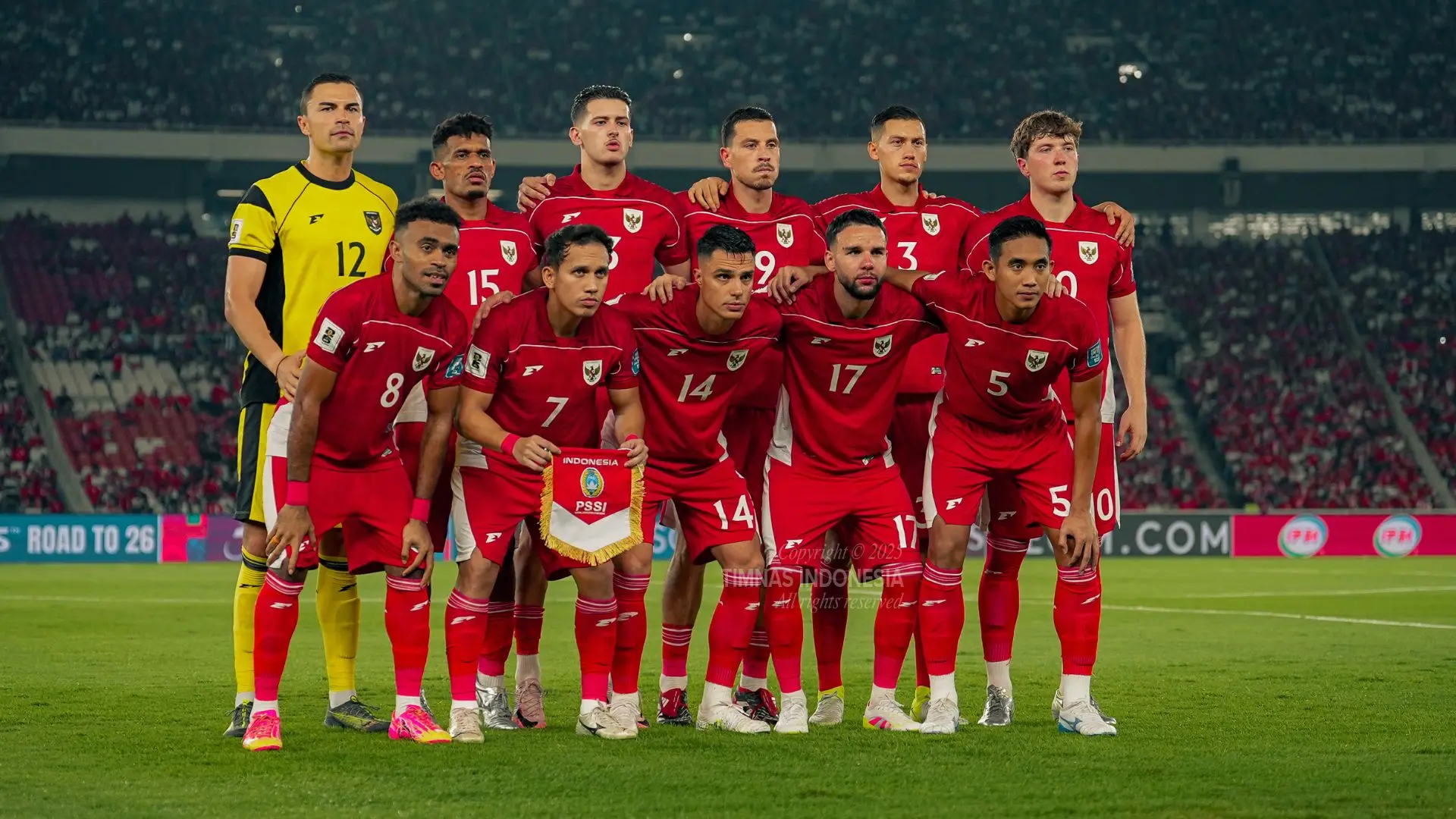
The price of instant gratification in football is always paid in future despair. Just ask the 280 million souls of Indonesia, a country with an eternal, desperate football dream, who just watched their World Cup fantasy—a fantasy purchased on a high-interest, naturalised loan—explode in a familiar cloud of smoke.
It was a Faustian Bargain for a quick buck, a football lottery where the ticket was the team’s long-term soul. When the results didn’t quite hit the jackpot, who paid the price? Not the architects of the policy, of course. No, they rolled out the red carpet for the patsy: the hapless coach.
Let’s be clear about what the naturalisation project really is: it’s the “Easy Button” of international sport, a way to skip the decades of grinding, necessary work. Indonesia, the world’s fourth-most-populous nation, decided that actual player development—building proper pitches, hiring decent youth coaches, instilling a consistent philosophy—was simply too boring. Instead, they looked to Europe and decided to buy success.
They threw vast amounts of money and political capital at scooping up diaspora players, many of whom possessed Dutch heritage and experience in competitive, if not top-tier, leagues. The idea was simple, if deeply cynical: inject some European DNA into the Garuda squad and watch the magic happen.
The expectation that followed was not merely “improvement”; it was the kind of inflated, impossible expectation only a desperate football nation can conjure. When the team reached the Fourth Round of Asian qualification—a genuinely historic milestone, the farthest they’d ever travelled since the Dutch East Indies played in 1938—the collective reaction wasn’t satisfied celebration. It was a disgruntled groan of: “World Cup or bust, you failures!” Success had ceased to be enough; only a miracle would do.
This brings us to the ultimate victim, the man positioned perfectly to take the fall for institutional impatience: Patrick Kluivert.
Kluivert was never meant to be a coach of a developing nation. He was meant to be a miracle worker, a famous Dutch name that validated the entire expensive, naturalised gamble. He was hired to drive a Ferrari that lacked an engine—a team built on scattered talent but with no coherent, long-term philosophy.
His swift, unceremonious, “mutual termination” this week is not a sacking for failure; it’s a sacking for failing to achieve a miracle on an accelerated timeline. He achieved a historic high but didn’t secure the final, impossible ticket. So, the federation (the PSSI), having failed to hit the jackpot, simply took the star-studded face of the project and threw him under the bus—or, more accurately, threw him off the roof of a moving train.
This is the pathetic, predictable cycle of the quick-fix approach: Hype it up, buy the talent, install a star coach, demand instant glory, and when it inevitably falls short, sack the coach and pretend the problem is fixed.
The true scandal is not that Indonesia failed to qualify; the true scandal is the self-sabotage this model enables. This kind of coaching instability is a development killer.
A naturalisation policy, especially one attempting to “fast-track” a country, requires immense stability to work. You need a coach who stays for five years to implement a single, unified tactical identity, to integrate those foreign-born players, and—most crucially—to link the senior team to the youth setups.
Instead, Indonesia now reverts to zero. The new coach will rip up Kluivert’s plans, Kluivert’s assistants are gone, and the entire youth curriculum—if one even existed—will be thrown into the bin. It is a cycle of perpetual reset. The country traded a chance at genuine, long-term growth for a single, failed qualification campaign. The ultimate price isn’t the millions spent on the naturalised players; it’s the lost generation of local youth who are now watching a national team composed of expensive imports and managed by a revolving door of international names, wondering if they’ll ever get a look-in.
Indonesia’s heartbreaking journey should be hung on the wall of every football association that believes globalised talent can replace homegrown strategy and patience. It’s a cautionary tale for a world addicted to instant gratification: you can buy the best ingredients, but if you keep firing the chef, all you’ll ever serve is chaos.