Analysis, Featured
The Seven-Man Circus: My Prediction for the Impending CAS Train Wreck
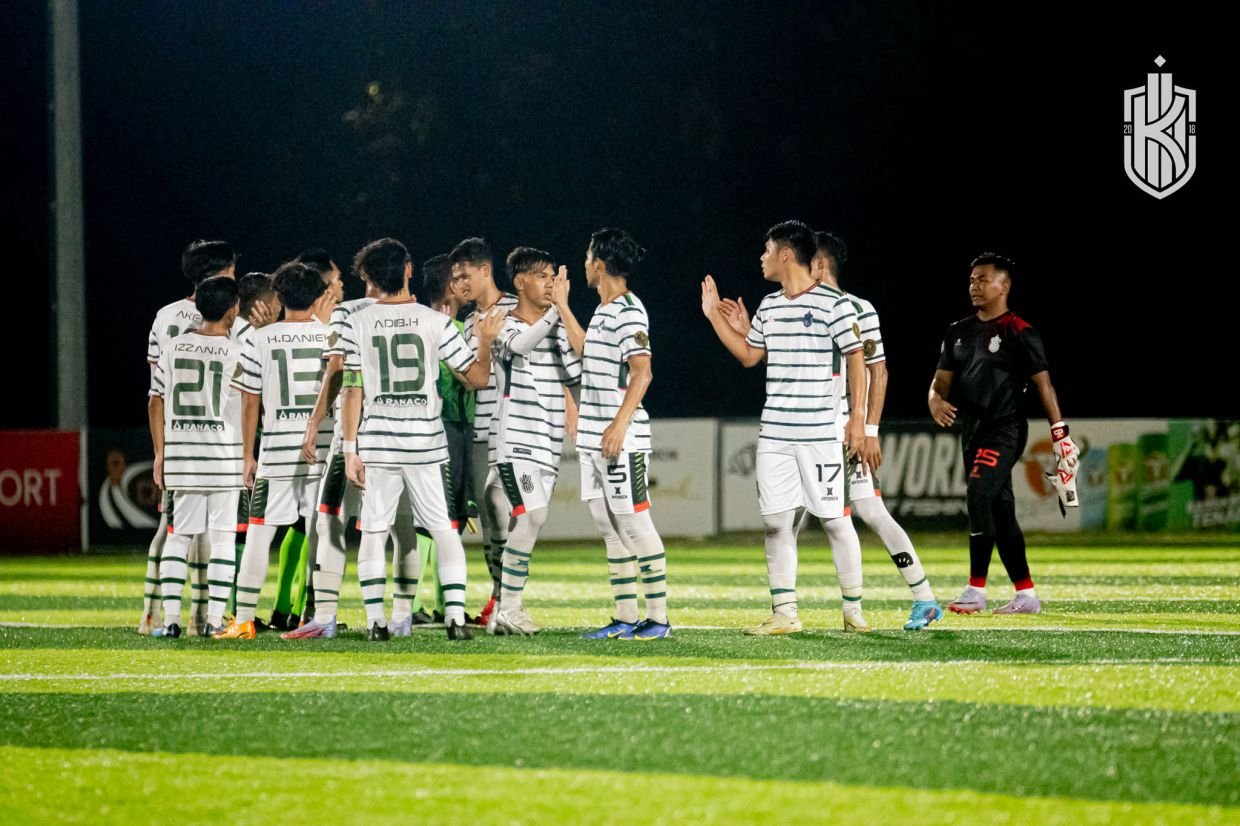
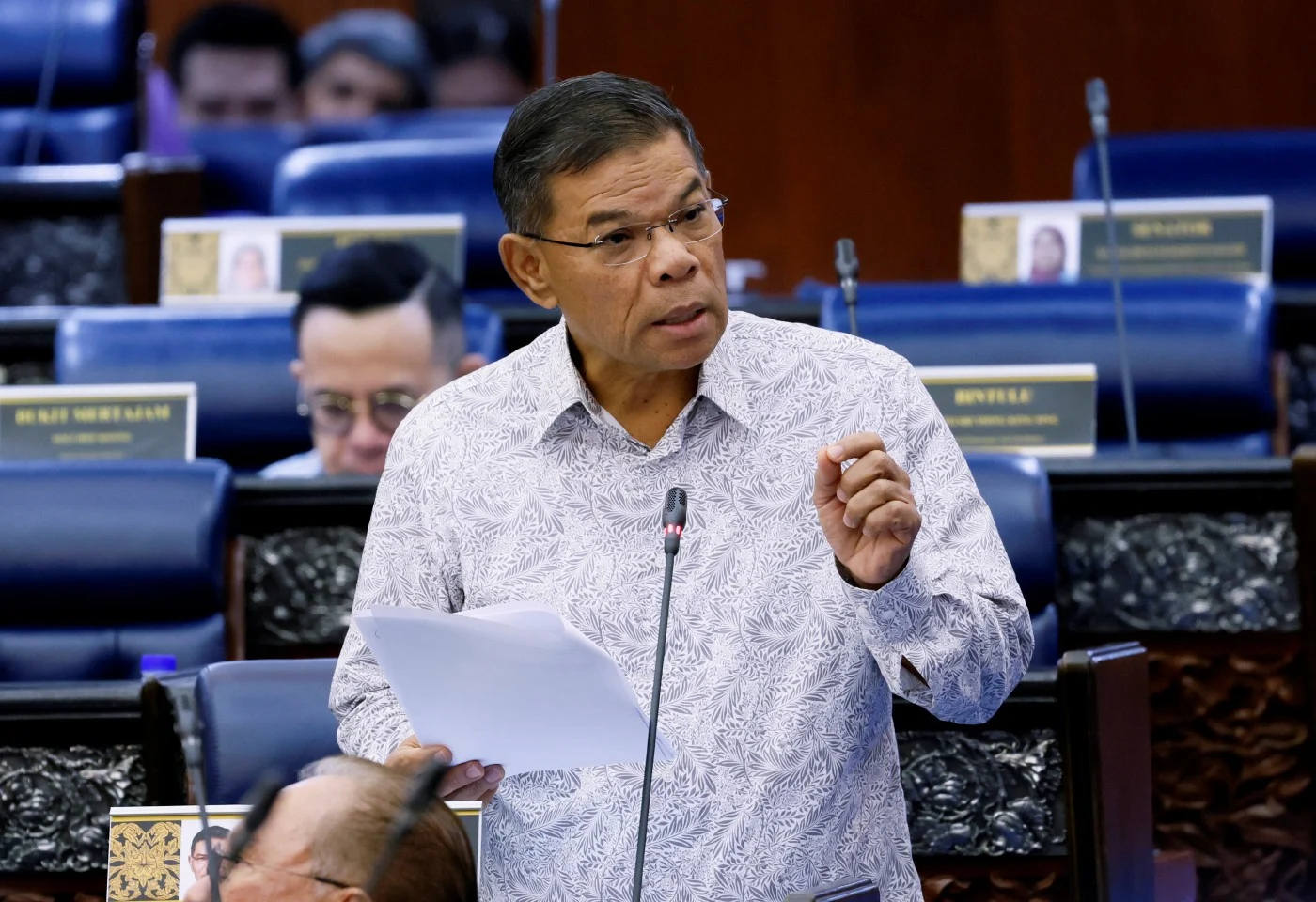
The Football Association of Malaysia has finally achieved the impossible. They haven’t won a World C...

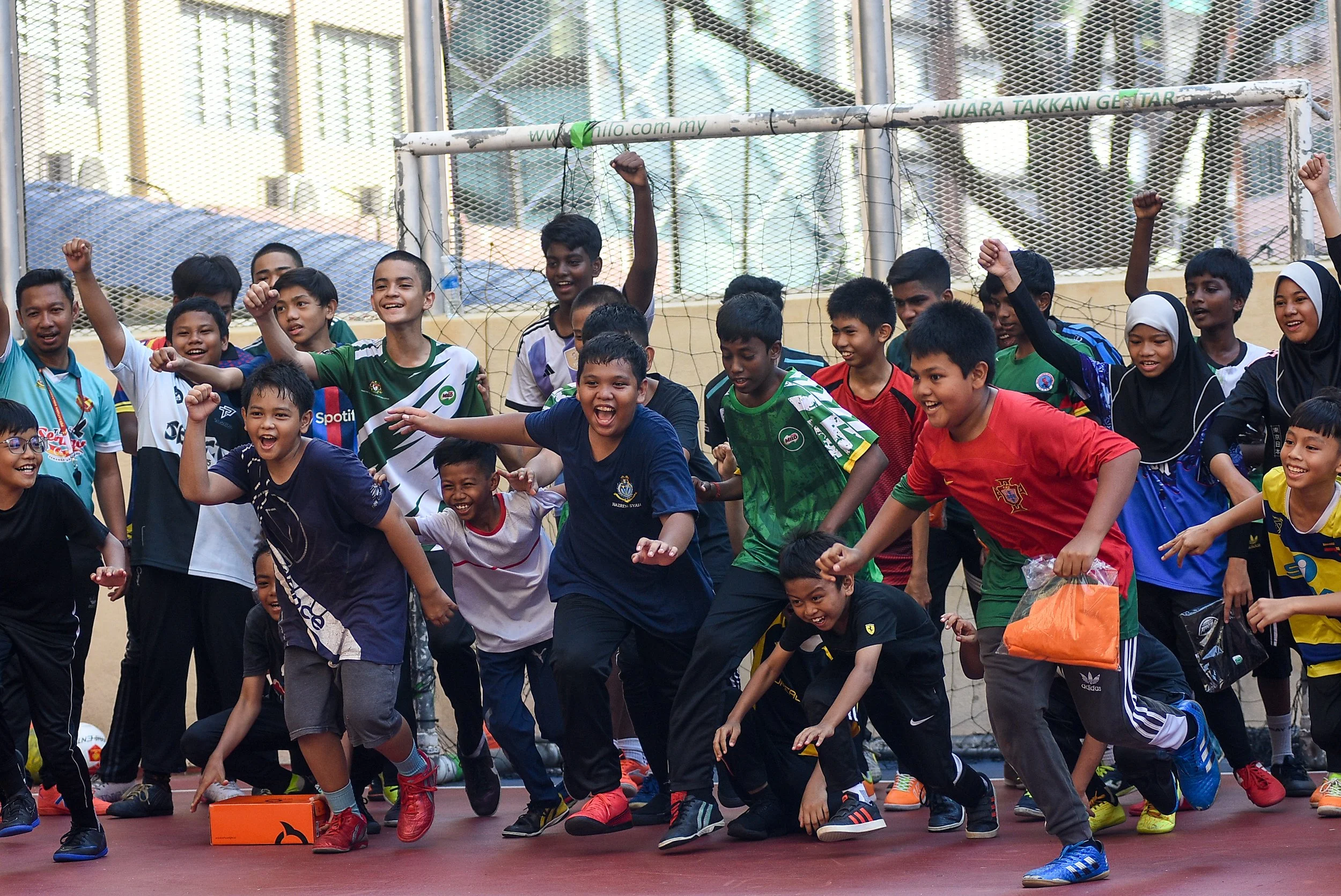
Every time Malaysian football stumbles, the same cycle begins. We dissect the coach. We question the players. We argue about formations, naturalised players, and whether this generation is “good enough.” And every time, we talk as if football suddenly stopped working at the top — as if the problem appeared overnight, on matchday, under the floodlights.
But football doesn’t break that way. Football breaks quietly, slowly, far from the cameras, on uneven pitches, in half-empty training sessions, in communities where playing the game is harder than it should be. The truth is simple, even if uncomfortable: football is not broken. We keep ignoring the grassroots.
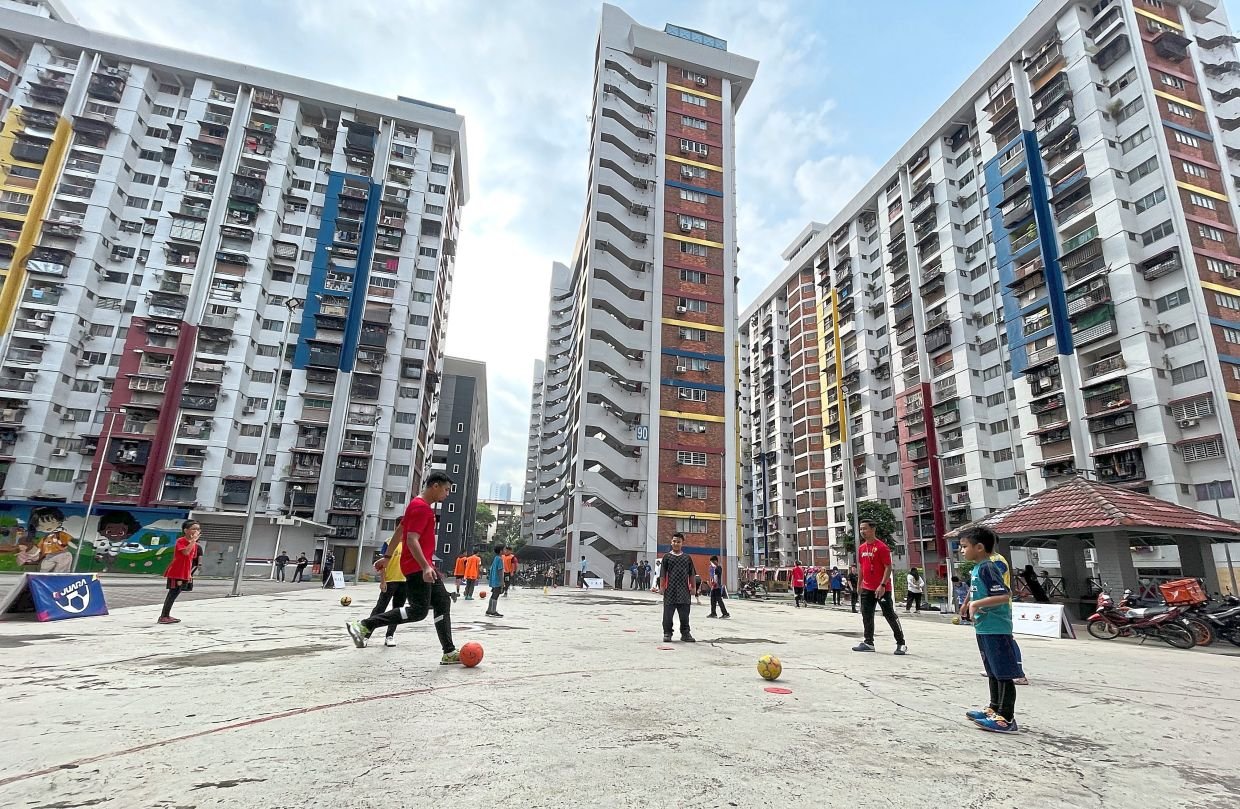
Grassroots football isn’t glamorous. It doesn’t trend. It doesn’t come with press conferences or highlight reels. It’s the coach in rural Malaysia running drills after his shift ends. It’s the volunteer in East Malaysia who drives hours each weekend to unlock a community field. It’s kids in low income housing areas sharing boots because three pairs have to serve seven players. It’s where football actually lives — not in stadiums, but in car parks, , and school fields that flood when it rains.
Yet our national conversations rarely start there. We prefer the summit; from the national team, the league table, the latest crisis. Results are easy to measure. They give us something to be angry about. They make us feel involved. Grassroots work, on the other hand, demands patience. It asks us to care about things that won’t pay off immediately. It forces us to admit that many of our problems are structural, not individual. And structure is harder to shout at.
When fans say Malaysian football is “finished,” they often mean they’re tired of disappointment. That’s fair. That feeling is mutual. Supporting football here takes emotional energy. But exhaustion shouldn’t push us into lazy conclusions. Because when you step away from the elite game and spend time at the base, you see something different.
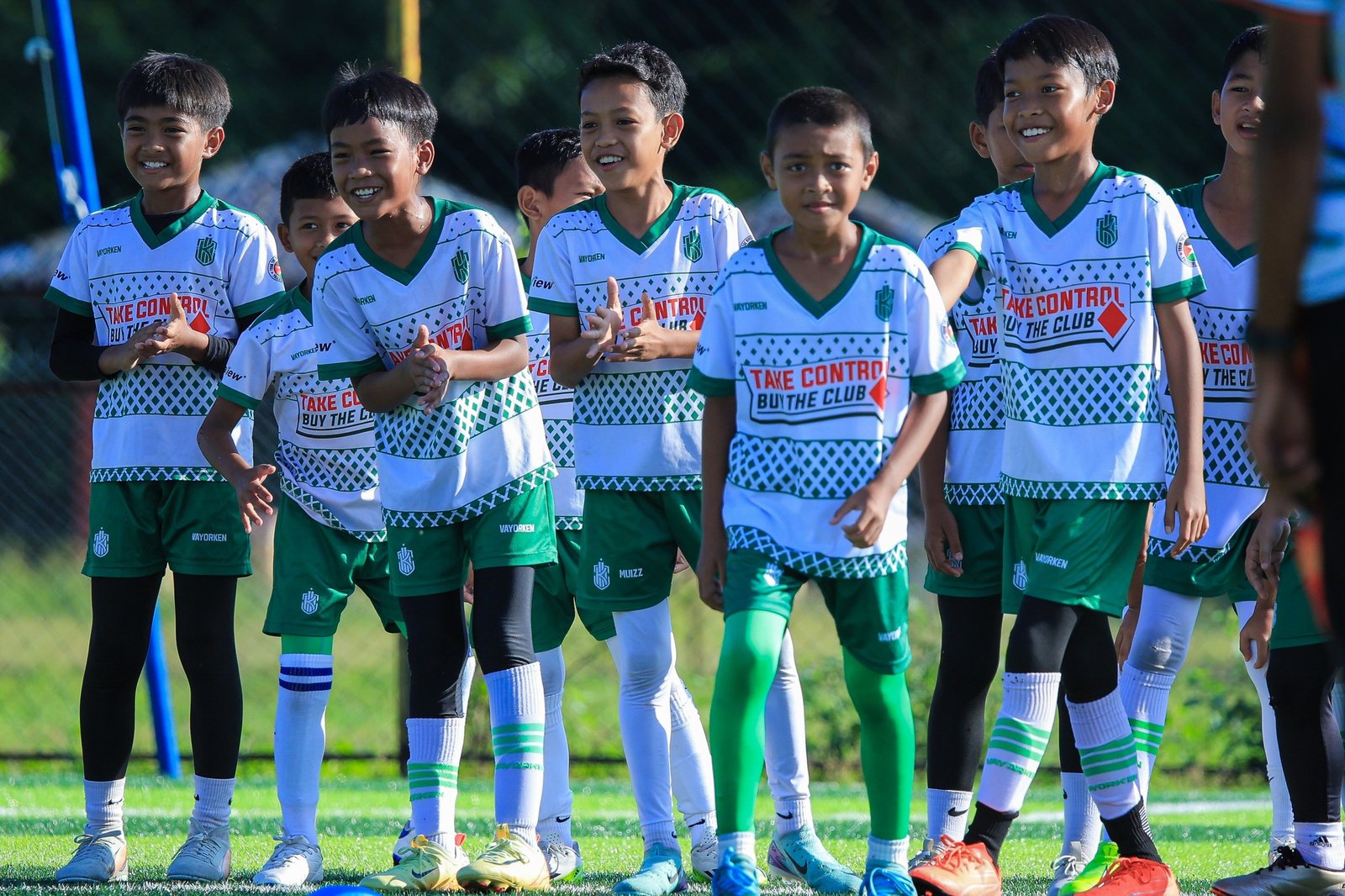
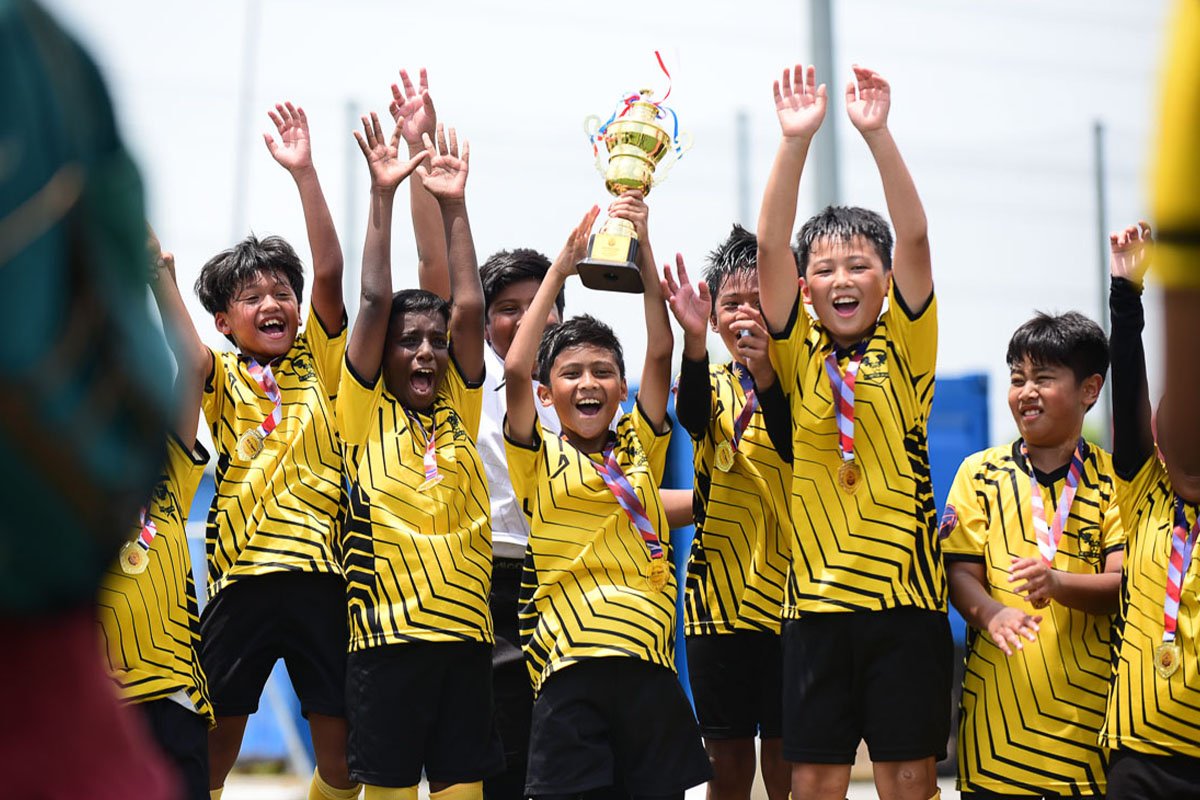
You see kids who still love the ball. You see communities trying despite limited space and resources. You see people who haven’t given up — even when the system doesn’t always show up for them. That’s not a broken sport. That’s an under-supported one.
The problem isn’t that we don’t talk about grassroots football. It’s that we talk about it only when convenient as a slogan, a checkbox, a talking point during a crisis. We say “grassroots” the way politicians say “long-term plan,” without committing to what it requires. Real grassroots development means access for everyone, not just the talented. It means safe, affordable spaces to play. Consistent competitions and training, not one-off tournaments. Coaching that prioritises learning over winning. Allowing kids to enjoy the sport before burdening them with expectations.
So instead, we rush. We professionalise too early. We turn youth football into a results machine, then act surprised when players burn out or disappear. We blame mentality. We blame attitude. We blame “this generation.” Rarely do we ask whether we built an environment worth surviving in.
Some kids grow up with access to facilities, structured training, and exposure. Others don’t even have a consistent place to play. Talent doesn’t disappear — opportunity does. And when opportunity is unequal, outcomes will be too. Yet we keep judging the outcome.
This obsession with top-tier failure narrows our imagination. When football is only about winning, everything else feels secondary from community, care, belonging, sustainability. Volunteers feel invisible. Burnout becomes normalised. We talk about football as if it owed us success, but rarely ask what we owe the people who hold it together.
If we truly care about the future of the game, we need to change the questions. Not just: Why aren’t we winning? But also: Who is getting to play? Who is being left out? Who is supporting the supporters? What happens to players who don’t “make it”? What kind of football culture are we actually building?
Healthy football nations aren’t built by panicking at the top. They’re built by tending to the base, year after year, often without applause. They invest in people before performance. They protect joy before chasing outcomes. This doesn’t mean lowering standards. It means understanding where standards come from.
Football doesn’t break overnight. It erodes when we neglect everything that leads up to the result. Until we learn to value the unseen work — the grassroots, the community, the slow and patient building — we’ll keep having the same arguments, after the same defeats, with the same frustration. We’ll keep mistaking symptoms for causes.
The national team does matter. Results will always sting. But if we want different outcomes, we need to start asking different questions and directing our energy toward different places. Not the floodlit pitch where failure becomes visible, but the unlit fields where potential quietly disappears.
So no, football isn’t broken. Our attention is.