Every year, talented players face the same quiet crossroads. Stay. Build steadily. Remain close to f...

Football today is no longer just a game played for 90 minutes. It has grown into a major industry that drives its own economy through broadcasting rights, sponsorships, ticket sales, merchandise and the daily activities of supporters. Behind this vibrant industry a difficult question continues to surface. How can the communities that form the heartbeat of football share in the economic value created around the sport.
For a long time supporters have remained at the edges of football’s economic structure. They buy tickets, purchase jerseys and support their clubs without pause yet they rarely become part of the group that benefits from the returns. This is where the cooperative model offers something different. It offers something more fair, more democratic and more aligned with the original spirit of football.
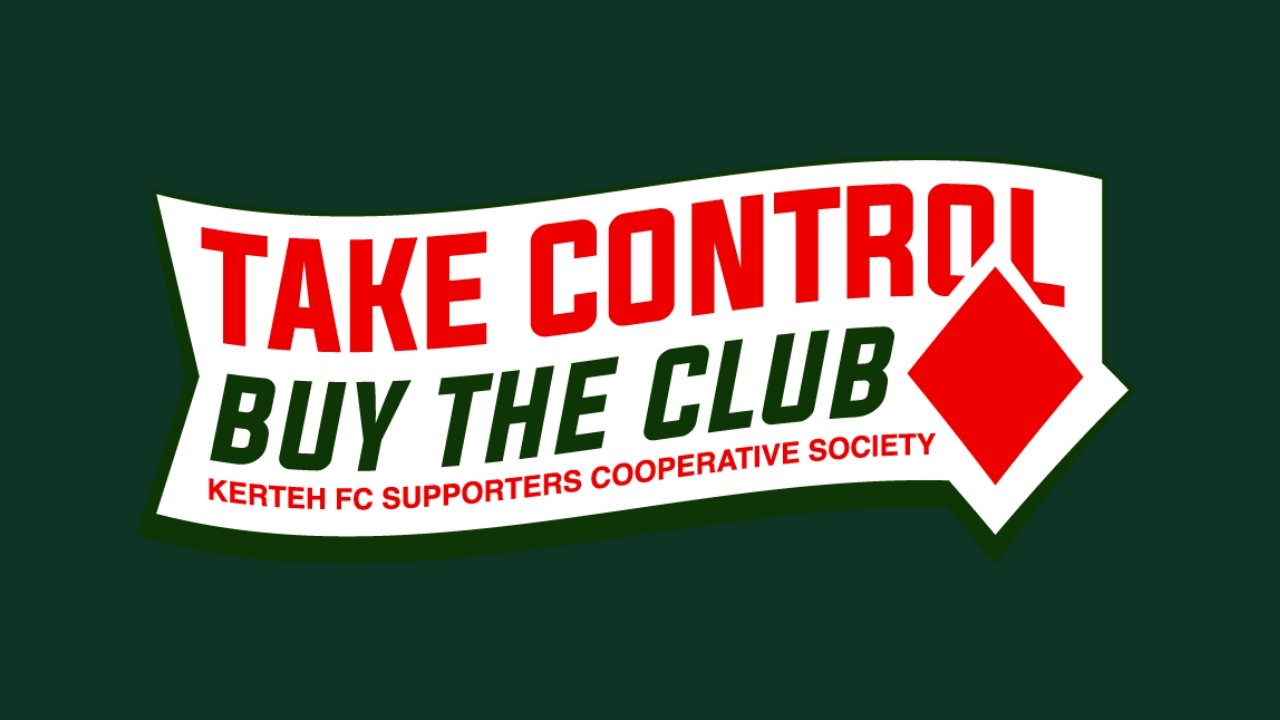
In the context of football a cooperative is not merely a financial platform. It is a form of shared ownership that returns power to supporters. It creates space for communities to participate directly in the development of the club and the ecosystem around it. A cooperative gives supporters the chance to become partners rather than consumers.
Examples from abroad show that this model is not an idealistic dream. It can work when managed with transparency and principle.
In Scotland supporters of a well known club successfully raised funds through a community trust to purchase shares in the club. They not only saved the club from crisis but ensured that its governance structure remained democratic. Even when the club received external investment in 2023 the majority of voting rights stayed with the supporters. It proved that communities can be responsible and forward looking owners.
In England a club founded by supporters in 2005 chose to operate as a Community Benefit Society. Every member holds one share with one vote regardless of how much they contribute. This structure ensures that the club remains rooted in community rather than capital. It shows that a football club can progress without sacrificing the values of togetherness.
These examples demonstrate that cooperatives can be successful ownership models and can also create significant social impact. They transform the relationship between clubs and supporters from a one way relationship into one that is more equal and accountable.
The real strength of football’s future does not lie only in talented players or modern training grounds. It lies in the economic structure that sustains the game. A structure that is shared, owned and collectively managed by the community. A structure that ensures football remains a social space rather than a pure industry.
In many countries supporter cooperatives are now seen as mechanisms that strengthen club sustainability. They help build economic awareness among supporters. They encourage a culture of shared responsibility. They create opportunities for communities to be part of the club’s journey rather than distant observers.
This second edition brings us to an important conclusion. A fairer and more sustainable future for football requires a more inclusive economic structure. A cooperative is not the only answer but it is one of the most realistic ways to return football to the people who love it most, the community.
In the next edition we will explore how grassroots development can become a long term social investment rather than just a sporting activity. We will look at why this investment is essential for building a future for football that is competitive and rooted in identity.