Every year, talented players face the same quiet crossroads. Stay. Build steadily. Remain close to f...

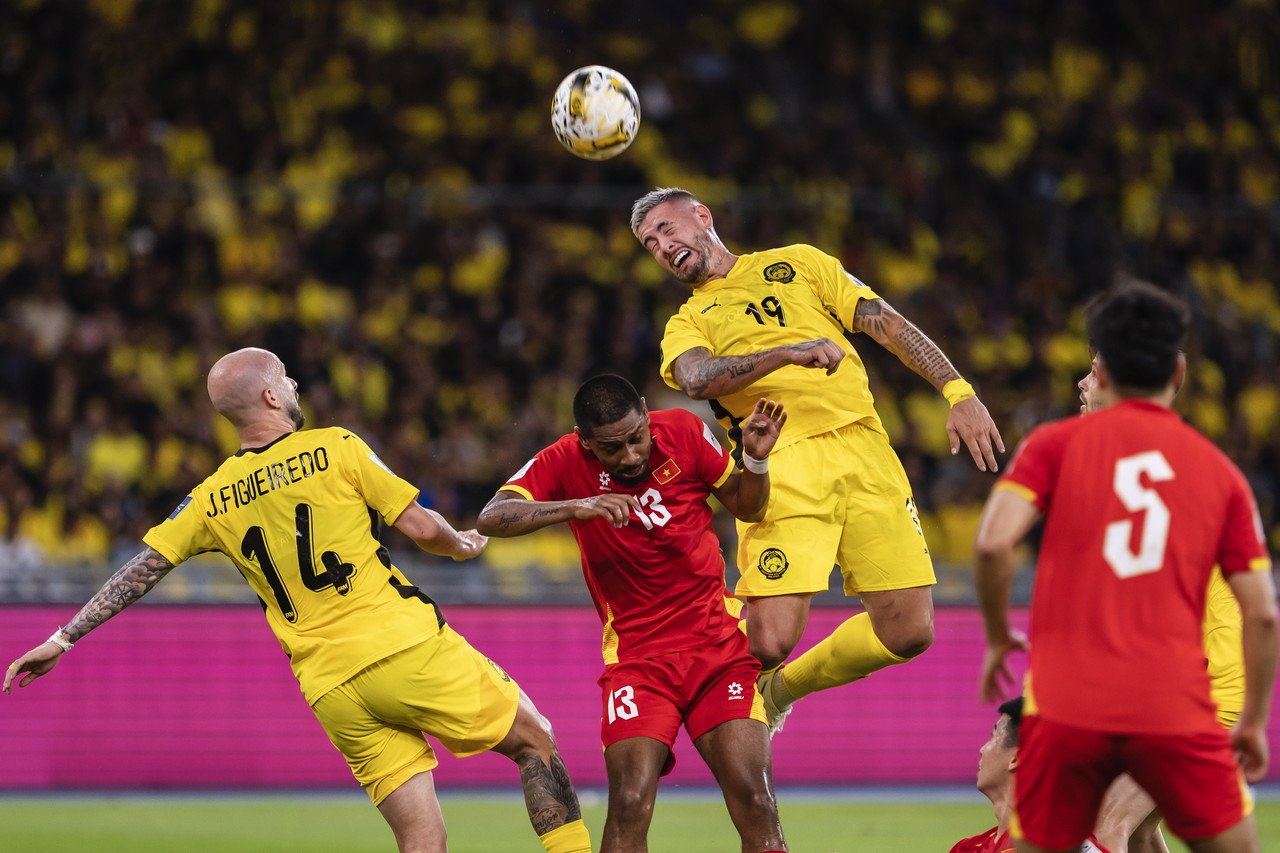
On June 10, 2025, the Bukit Jalil National Stadium felt less like a football ground and more like a high-end magic show. We watched the “Malaysian 7″—that band of sudden patriots with suspiciously crisp kits—dance around the pitch like they’d been eating nasi lemak since the cradle. They looked like world-beaters. They looked like the future.
Fast forward to March 5, 2026, in the sterile, air-conditioned silence of Lausanne, and the trick has been revealed. As it turns out, those “grandparents from Penang” were less a genealogical branch and more a “Photoshop dynasty.” The Court of Arbitration for Sport (CAS) pulled back the curtain, and instead of heritage, they found a legal fiction written in the font of bureaucratic desperation.
Now, the Vietnam Football Federation (VFF) is screaming for blood, demanding total bans and a scorched-earth policy that would make Genghis Khan look like a pacifist. But while Hanoi expects a public execution, the AFC and MFL are playing a much more sophisticated game of legal chess. They aren’t protecting cheaters; they are protecting the sanctity of the contract.
The legal pivot here hinges on a distinction that only a man in a five-thousand-dollar suit could love: the difference between being a “Principal” and being “Complicit.”
Vietnam wants these players buried under the stadium. But the MFL and AFC are leaning on the “Proportionality” principle. Look, if the Football Association of Malaysia (FAM) held the pen that forged the documents, the players are effectively “unwitting instruments”—the human equivalent of a printer that didn’t know it was churning out counterfeit ringgits.
This isn’t just a sports story; it’s a case of corporate malfeasance. You don’t burn the Proton factory to the ground because the CEO forged the environmental permits; you fine the CEO into poverty and let the assembly line keep moving. Because CAS recognised the players as passive participants rather than the masterminds, they’ve downgraded FIFA’s initial “nuclear option”—a total ban from all footballing activities where you aren’t even allowed to dream about a ball—to a mere suspension from “official matches.” They can still train, they can still cash checks, and they can still exist. It’s a slap on the wrist delivered with a silk glove.
Then we have the “Club Level” grievance, which is where the logic of the modern game goes to die and where Vietnam’s frustration turns into pure, unadulterated bile. In the era of the AFC Champions League Elite (ACLE), a passport is about as significant as a loyalty card for a bubble tea shop.
Even if Hector Hevel or João Vitor Figueiredo lose their Malaysian passports today, Johor Darul Ta’zim (JDT) can still field them in the ACLE because there are no limits on foreign players. The MFL isn’t ignoring the crime either; they’re just rerouting the traffic. If you can’t play as a local, you play as an import. The shirt stays the same; only the HR file changes.
Even with the MFL’s reduced “on-field” foreign quota (6 starters + 3 substitutes), JDT has the infrastructure to absorb this “demotion” without breaking a sweat. They’ll simply shuffle the players into their 15-player total registration quota. And if they don’t fit the Super League squad? No problem. Park them in the “JDT II” buffer—the developmental squad where they can stay match-fit while waiting for ACLE nights where quotas don’t exist. There is zero net loss here. To Vietnam, it looks like a getaway driver switching cars mid-pursuit. To the MFL, it’s just efficient fleet management.
Vietnam’s demand for additional domestic bans is a legal non-starter that smells of sour grapes and a fundamental misunderstanding of how the world works. Once CAS—the Supreme Court of Sport, the ultimate arbiter of all things inflatable—issues its verdict, the case is settled. Done.
For the AFC to pile on more years would be a “Double Jeopardy” violation that would trigger a decade of lawsuits from hungry lawyers in Zurich. Law isn’t about “feeling” justice; it’s about the finality of the verdict. Unless the laws of physics and common sense decide to take a collective holiday, the CAS ruling is the final word.
However, let’s concede one point to our friends in Hanoi: the scoreboard. On June 10, an ineligible player—actually, seven of them—was on the pitch. Under AFC Article 56, that is an open-and-shut case.
The 4–0 victory for Malaysia was a hallucination. Flipping that result to a 3–0 walkover win for Vietnam is the only “surgical” way to fix the standings without collapsing the entire regional football economy. It’s the sporting equivalent of an annulment; the marriage never happened, the points belong to the jilted party, and we all move on with our lives.
The “Malaysian 7” will be back by September 2026. For now, they’ll be training in the shadows, kept warm by JDT’s world-class facilities, waiting for their “official” clock to stop ticking. Vietnam might not get the “moral purge” they demand, but they’ll get the points they need to advance.
In the cold, hard world of sports law, that’s as close to a “Win-Win” as it gets.
Related column(s):
Skidmark on My Silk Underwear: Mourning the Naturalisation Mess While Celebrating the Masterclass