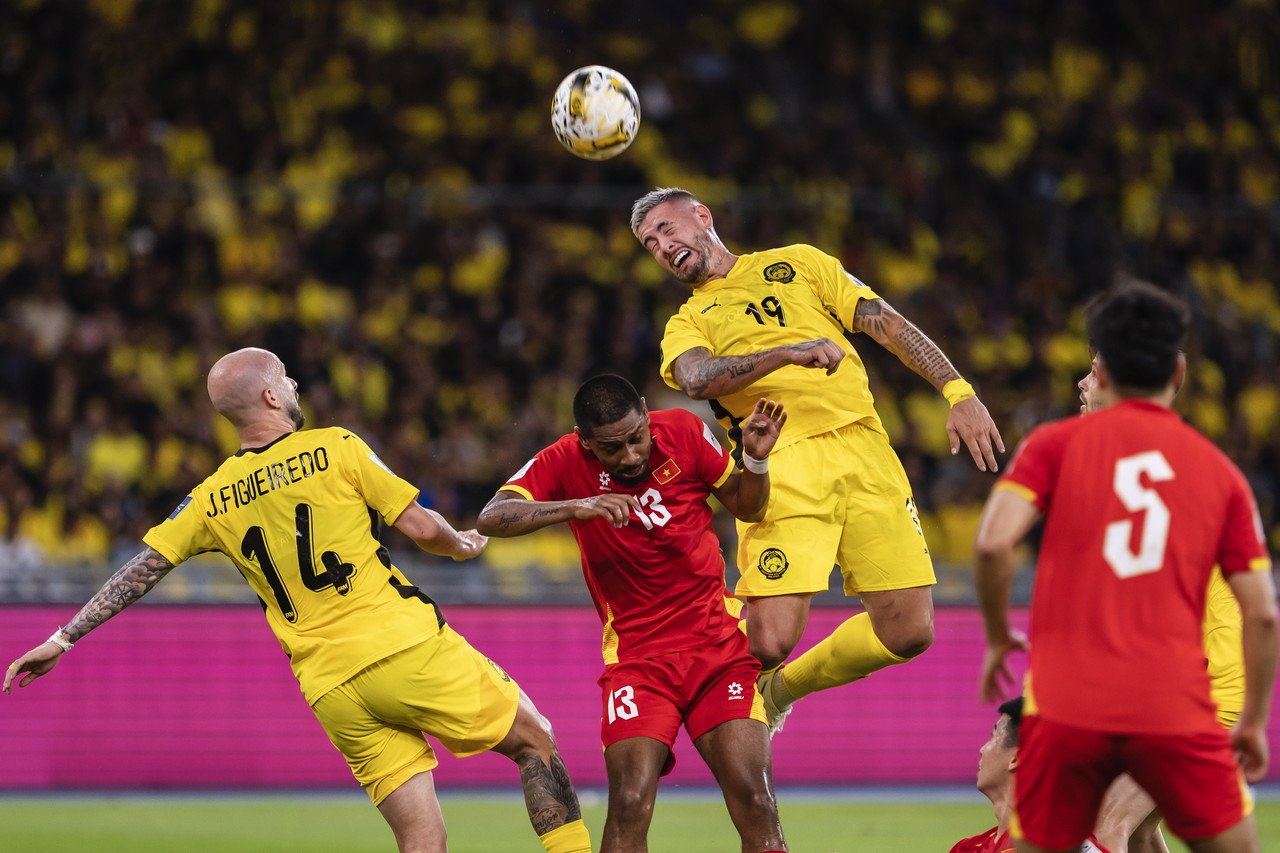
Every year, talented players face the same quiet crossroads. Stay. Build steadily. Remain close to f...


On the surface football looks simple. There is a team, there are players and there are 90 minutes that decide whether supporters go home smiling or disappointed. Yet behind the noise of the crowd and the comfort of statistics lies a world that is far more complex. It is the world of club management. It is the world that determines whether a club can survive, grow or fade into a footnote in the history of the game.
Every club carries its own ambitions. Some want to dominate the league. Some want to become centres of talent development. Some want to stand as symbols of community pride. Yet ambition never stands on its own. It needs a structure that supports it, a system that guides its steps and a working culture that ensures every decision is made with purpose. Without these foundations ambition becomes nothing more than a poster on a meeting room wall.
In modern football stability is no longer just about finances. It is about clarity of direction. It is about how a club plans its future, manages its resources, builds its identity and maintains its relationship with the community that gives it life. Successful clubs are not the richest clubs. They are the clubs that understand who they are and where they want to go.
The reality is that many clubs are trapped between big dreams and limited capacity. Some move too quickly without a solid foundation. Some depend too heavily on one individual and lose their direction when that individual steps away. Some drift away from their own communities because they begin to see supporters as customers rather than partners.
This is where ownership structure and governance play a major role. The cooperative model offers something increasingly relevant in today’s football landscape. It creates space for supporters and communities to become part of the club’s journey rather than spectators outside the fence. It opens the door to a system that is more open, more transparent and more grounded in shared values.
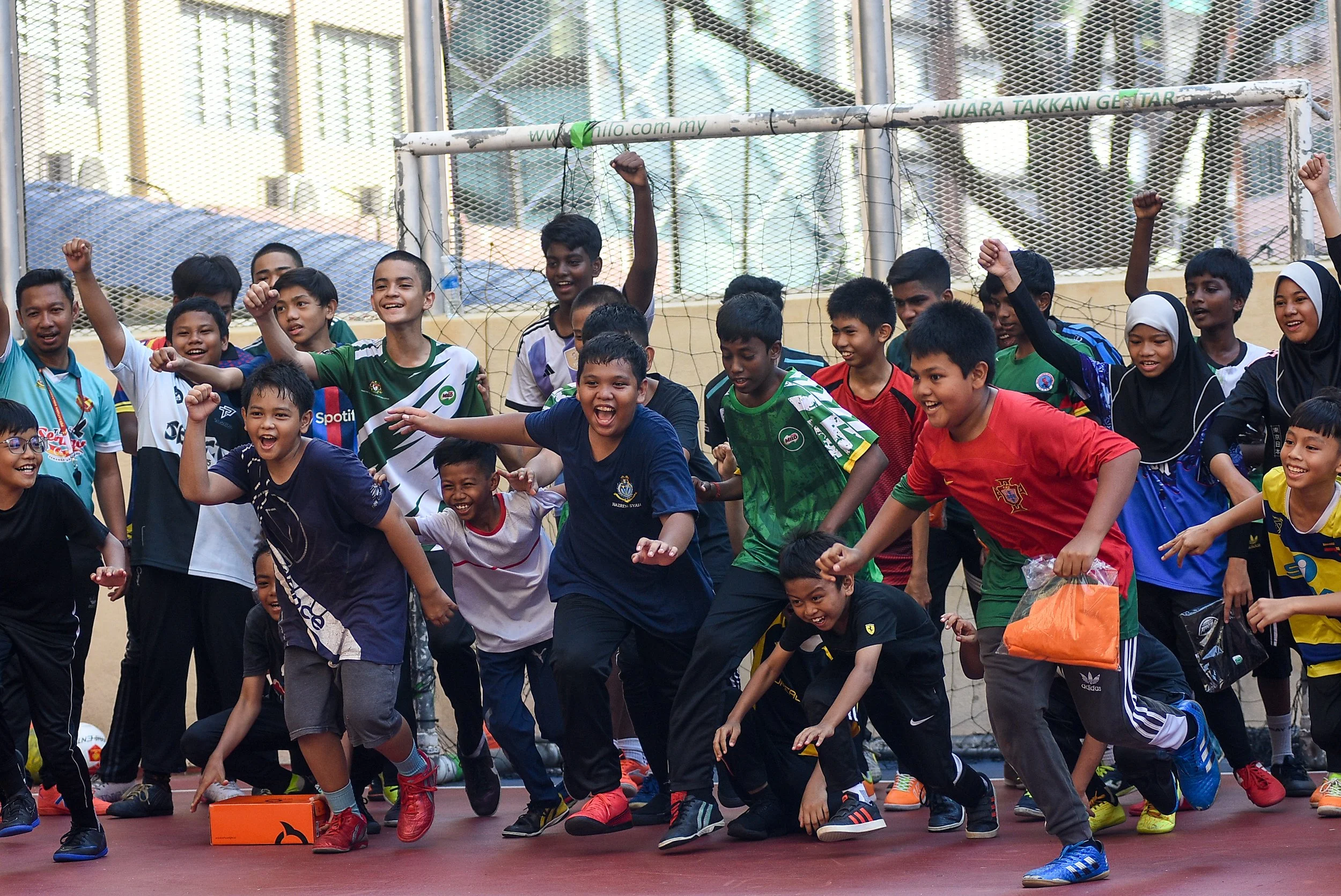
In this model supporters contribute not only their cheers but their voice. They become partners in shaping the club’s direction. They help build the culture, monitor governance and ensure the club does not drift away from the community that created it. This makes the club more stable because decisions are not made in isolation. They are made through a process that involves more custodians.
In many countries supporter cooperatives serve as bridges between community spirit and the demands of professionalism. They help manage assets, economic activities and community relations in a more organised way. They ensure that clubs do not move according to short term pressure but according to a long term vision shared by many. Cooperatives also encourage a culture of shared responsibility. Every member has a role. Every decision has an owner. Every step of development has a moral foundation.
Good club management is not about who is richest or who is most influential. It is about who is most principled. It is about who can build a system that outlasts individuals. It is about who can ensure that a club remains relevant, rooted and functioning as a social institution rather than just a football team.
In many cases club failure does not come from a lack of talent or support. It comes from fragile structures. Without long term planning a club is easily swayed by the emotions of a single season. Without transparent governance the trust of supporters erodes. Without strong ties to the community the club loses its identity.
On the other hand when a club has a clear structure, a consistent working culture and a healthy relationship with its supporters it can survive even the toughest challenges. It does not depend on one individual or one season. It moves as a stable, principled and rooted institution.
This edition invites us to see a club not as a sports organisation alone but as a living ecosystem. An ecosystem that requires leadership, transparency and cooperation. An ecosystem that can only grow when ambition is supported by a strong structure.
Because in the end football is not only about what happens on the pitch. It is about how a club is built, cared for and passed on. It is about how a community sees itself in the club. It is about how ambition becomes reality through a system that works.
In the next edition we will explore how football can become a catalyst for social and economic development. We will look at how a club can become more than a team and instead become part of the heartbeat of the community around it.